






Cucumber: The Ultimate Hydrator
With a water content of about 96%, cucumber is one of the most hydrating vegetables you can eat. It is incredibly refreshing and low in calories, making it a perfect summer snack. Cucumbers also provide small amounts of vitamin K, potassium, and magnesium.
Their natural cooling effect helps reduce body heat, and they can be easily added to salads, raita, sandwiches, or infused water for a crisp, fresh taste.
Watermelon: A Sweet Summer Staple
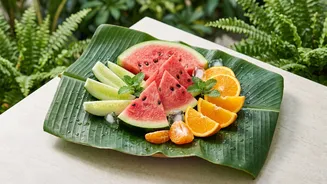
This iconic summer fruit lives up to its name with a water content of around 92%. Each bite delivers not just hydration but also a healthy dose of vitamins A and C, and the powerful antioxidant lycopene. Watermelon is effective at helping to prevent dehydration and its natural sweetness makes it a delicious treat on its own, in fruit salads, or as a frozen juice popsicle.
Tomatoes: Juicy and Versatile
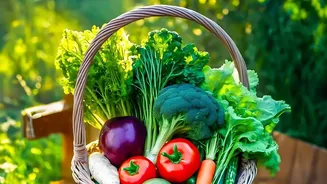
Tomatoes consist of about 94-95% water and are a fantastic source of hydration. They are rich in vitamin A and antioxidants, which are beneficial for your skin and immune system. Available in various types, from small cherry tomatoes perfect for snacking to larger ones ideal for salads and sandwiches, they are a versatile ingredient that can be easily incorporated into your daily meals to help you stay refreshed.
Strawberries: A Nutrient-Packed Berry
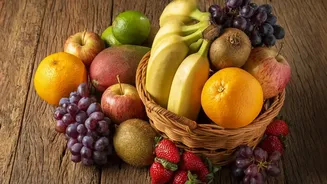
Strawberries are not only delicious but also boast a water content of about 91%. Eating them contributes directly to your daily fluid intake while also providing fibre, antioxidants, vitamin C, and manganese. Regular consumption has been shown to help reduce inflammation. Enjoy them as a snack, or add them to smoothies, salads, and yoghurt for a hydrating and nutritious boost.
Spinach: The Leafy Green Powerhouse
With a water content of around 91%–93%, spinach is a hydrating leafy green that is also packed with essential nutrients. It is an excellent source of iron, magnesium, and other vitamins that are crucial for maintaining energy levels and overall health, especially when the heat can leave you feeling drained. Add a handful of spinach to your smoothies, salads, or sandwiches for an easy hydration and nutrient lift.
Muskmelon (Kharbooja): Refreshing and Sweet
Known as kharbooja in India, muskmelon or cantaloupe has a water content of approximately 90%. This fruit is a great source of vitamins A and C, which support skin health and immunity. It also contains potassium, a key electrolyte that helps maintain the body's fluid balance, which is especially important when you lose minerals through sweat. Its sweet, juicy flesh makes it a popular and refreshing summer fruit.
Celery: Crunchy and Light
Comprising about 95% water, celery is another top contender for the most hydrating vegetable. It is low in calories but a good source of fibre, vitamin K, and potassium. Its crunchy texture makes it a satisfying snack, especially when paired with a dip like hummus. You can also add it to soups and salads to increase your fluid intake while adding extra texture and nutrients to your meal.
Oranges: A Citrus Burst of Hydration
Oranges and other citrus fruits have a water content of around 87%. They are famously rich in vitamin C, an antioxidant that supports the immune system and skin health. A single orange can contain nearly half a cup of water, making it a juicy and effective way to contribute to your daily hydration needs. They are a perfect on-the-go snack for a refreshing energy boost.