







The Pandemic Was Just the Beginning
Let's be honest, the initial surge in home workouts was born of necessity. When lockdowns shuttered gyms and parks in 2020, millions of Indians turned to YouTube tutorials and fledgling fitness apps to stay active. What started as a temporary solution,
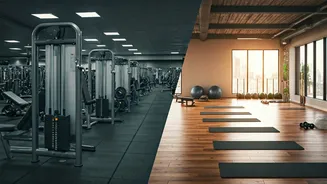
however, quickly revealed its own set of advantages. People discovered the simple joy of working out on their own terms, without the commute, the waiting for equipment, or the perceived judgment of others. This initial forced experiment planted the seed for a long-term behavioural change, proving to a whole new audience that effective fitness didn't require leaving the house.
Convenience is the New King
In the hustle and bustle of modern Indian urban life, time is the ultimate luxury. The biggest selling point of home exercise is its unparalleled convenience. There's no need to battle traffic to get to a 7 p.m. class or factor in an hour of travel time for a 45-minute workout. You can squeeze in a session before your first meeting, during your lunch break, or late at night after the kids are asleep. This flexibility is a game-changer for working professionals, busy parents, and anyone juggling a packed schedule. The gym now works around your life, not the other way around, and for many, that benefit alone is enough to make the switch permanent.
The Tech Revolution in Your Pocket
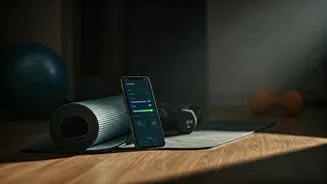
The home fitness boom is powered by technology. A new generation of sophisticated, user-friendly fitness apps has transformed our smartphones into personal trainers. Companies like Cult.fit (formerly Cure.fit), HealthifyMe, and countless others offer a staggering variety of options, from live-streamed classes with real-time feedback to AI-driven personalised workout plans and diet tracking. This 'fit-tech' ecosystem provides structure, motivation, and a sense of community that was previously the exclusive domain of physical gyms. Wearables from brands like Noise and boAt track every metric, gamifying progress and making users feel more connected to their health journey than ever before.
Redefining 'Fit'
The trend also reflects a deeper, cultural shift in what it means to be 'fit' in India. The focus is moving away from the purely aesthetic, body-building-oriented goals often associated with traditional gyms. Today, there's a greater emphasis on holistic wellness, incorporating elements like yoga, Pilates, functional strength, and mental wellbeing. These disciplines are perfectly suited for a home environment. The privacy of working out at home encourages people to explore new forms of movement without feeling self-conscious, fostering a more personal and sustainable relationship with exercise.
The New Economics of Sweat
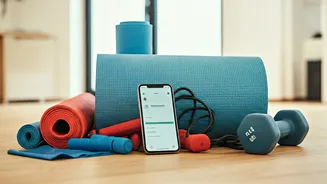
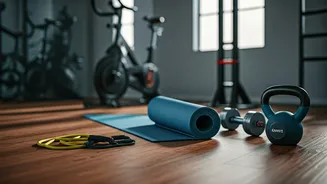
While premium gym memberships can be a significant financial commitment, home fitness offers a more flexible economic model. The market has exploded with direct-to-consumer brands selling affordable equipment, from resistance bands and kettlebells to smart treadmills. App subscriptions are often a fraction of the cost of a monthly gym fee. This accessibility has democratised fitness, opening it up to a wider audience that may have previously found gym memberships prohibitively expensive. It allows for a tailored investment: start small with a yoga mat and a free app, and gradually build your home setup as your commitment grows.