


The Nearly Indestructible ZZ Plant
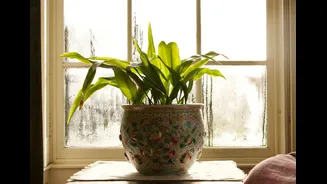
The Zamioculcas zamiifolia, or ZZ Plant, is the perfect companion for beginners or forgetful plant parents. Its wide, glossy, dark green leaves look perpetually polished and add a touch of modern elegance to any room. The secret to its resilience lies
in its underground rhizomes, which store water and make it incredibly drought-tolerant. While it can survive in very low light, it grows best in low to medium indirect light. Direct sun is a definite no, as it can scorch the leaves. The golden rule for the ZZ is to let it be. Water only when the soil is completely dry, roughly every 2-3 weeks, as its biggest enemy is overwatering, which can lead to root rot.
The Sculptural Snake Plant
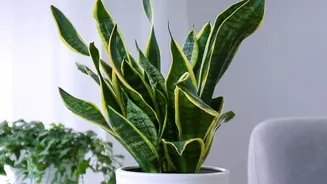
Also known as Mother-in-Law's Tongue, the Snake Plant (Dracaena trifasciata) is famous for its stiff, upright, sword-like leaves that make a bold architectural statement. It's exceptionally hardy and well-known for its air-purifying qualities. Snake Plants are highly adaptable to a wide spectrum of light conditions, from dim corners to bright, indirect light, making them ideal for almost any room in an apartment. Like the ZZ Plant, they are susceptible to root rot, so it's crucial to let the soil dry out completely between waterings. In low-light conditions, they will need even less water. Wiping the leaves occasionally will keep them free of dust and allow them to absorb as much light as possible.
The Trailing Pothos
Often called Devil's Ivy, Pothos (Epipremnum aureum) is a fast-growing vining plant that's incredibly forgiving. Its heart-shaped leaves, which can be solid green or variegated with white, yellow, or pale green, look stunning trailing from a hanging basket or cascading down a bookshelf. Pothos is a champion of low-light tolerance, though variegated types might lose some of their patterning in very dim conditions. It thrives in bright, indirect light but adapts well to less-than-ideal spots. It’s a great communicator; its leaves will start to droop slightly when it's thirsty. Water it when the top inch or two of soil feels dry, and it will bounce right back.
The Hardy Cast Iron Plant
As its name suggests, the Cast Iron Plant (Aspidistra elatior) is tough as nails. It can withstand neglect, low light, and inconsistent watering, making it a true survivor. With its deep green, long, elegant leaves, it brings a touch of classic Victorian charm to an indoor space. This plant is an excellent choice for the darkest corners of your home where almost nothing else will grow. It prefers low light and should be kept out of direct sun, which can easily burn its leaves. Water it only when the top 50-75% of the soil is dry, and be careful not to let it sit in a soggy saucer. Its slow-growing nature means it won't demand much from you, content to add quiet grace to your home.
The Prolific Spider Plant
The Spider Plant (Chlorophytum comosum) is a classic for a reason. Its arching, variegated leaves and the tiny 'spiderettes' or baby plants it produces create a full, lively look. These plants are known for being adaptable and can tolerate low light, although their growth might slow and the variegation may fade slightly. For the best results, a spot with bright, indirect light is ideal. They are a great choice for hanging baskets, allowing their plantlets to dangle freely. Avoid overwatering; let the soil feel dry to the touch before giving it a drink. Brown tips can sometimes appear, but this is usually due to minerals in tap water rather than a serious health issue.