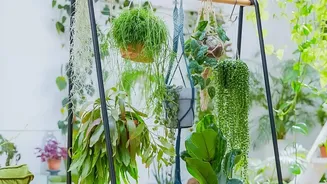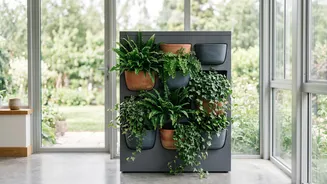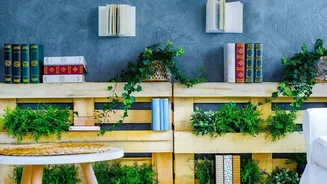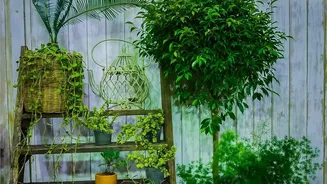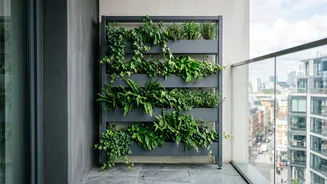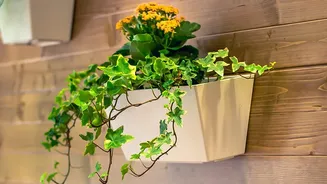






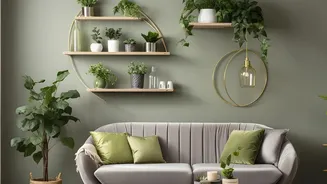
A lush vertical garden can transform any space, but keeping it vibrant can feel daunting. The secret isn't constant work, but a smart setup. Here are the essentials for creating a beautiful, low-maintenance living wall that thrives.
Start with the Right Structure
The foundation of an
easy-to-care-for vertical garden is its structure. Before planting, ensure the wall you’ve chosen can support the considerable weight of a mature, watered garden. DIY systems made from pallets or cloth hangers can be charming but may not be durable; wood can rot, and flimsy plastics can leach chemicals. Consider the 'sail effect' if your garden is on a windy balcony; a permeable structure can prevent stress on the mounting points. Crucially, think about the depth of your planters. Many systems have shallow pockets that limit plant options to those with small root systems. Choosing a sturdy, well-designed structure from the start prevents common failures later on.
Choose Your Plants Wisely
Plant selection is perhaps the most critical factor for success. Forgetting to match plants to your specific light conditions is a primary reason vertical gardens fail. A wall that gets intense afternoon sun needs heat-loving, drought-tolerant plants like succulents, portulaca, or vinca. For shadier spots or indoor walls, opt for pothos (money plant), philodendrons, ferns, or spider plants. These are well-suited to Indian climates and are forgiving of occasional neglect. Avoid plants with deep roots if your system uses shallow pockets, and be mindful of placing water-loving plants at the top of the structure, where they will dry out fastest. Hardy, low-maintenance plants suited to your wall's specific sun exposure will make upkeep far easier.
Perfect Your Watering System
Inconsistent watering is the bane of vertical gardens. Because the soil volume is small, planters dry out quickly, especially at the top. While manual watering is an option, it requires diligence. Automated drip irrigation is a highly effective alternative that delivers water directly to the roots, reduces waste, and ensures consistency. You can even create a DIY system with a small pump and a timer. Another option is a wicking system, where fabric wicks draw water from a reservoir into the soil, providing a self-watering setup. Whichever method you choose, always check the soil’s moisture with your finger before watering rather than sticking to a rigid schedule. The goal is soil that is slightly damp, not waterlogged.
Use the Right Growing Medium
Standard garden soil is too heavy and dense for vertical planters; it compacts easily, chokes roots, and drains poorly. The ideal mix is lightweight, airy, and holds moisture without becoming soggy. Most quality potting mixes designed for containers are a good start. To improve them, add materials like perlite for aeration or coconut coir (coco peat) to help retain moisture evenly. A common recommendation is a mix of onendthird potting soil, onendthird sand for drainage, and onendthird coconut coir for water retention. A good growing medium resists compaction and ensures that water and nutrients are available to every plant in the wall.
Feed and Prune for Health
The limited soil in vertical planters means nutrients are depleted quickly. Regular feeding during the growing season is essential. A balanced liquid fertiliser, such as seaweed extract or compost tea, is often recommended because it can be easily diluted in your watering system. In India, it's advised to fertilise every two to three weeks during peak growing seasons and reduce feeding during the monsoon and winter. Be careful not to overstfertilise, which can burn roots. Regular pruning is also key. Trimming overgrown plants ensures that all specimens get enough light and air, which helps prevent disease and keeps the wall looking tidy. Finally, inspect your plants regularly for common pests like aphids and spider mites, and remove any affected leaves immediately.