



An Open-Air Art Gallery
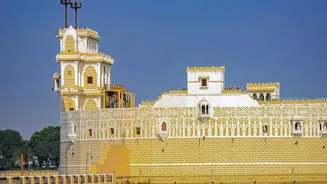
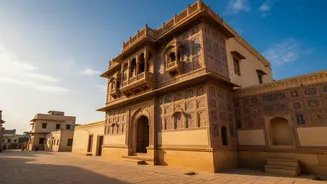
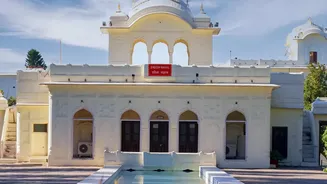
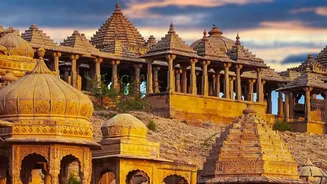
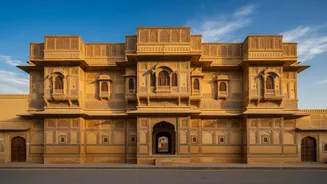
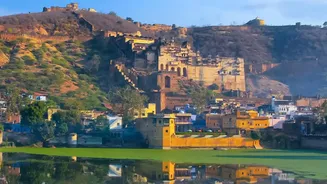
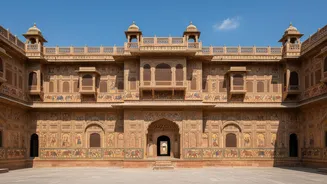
The Shekhawati region of northeastern Rajasthan is a historical treasure, once a bustling hub for merchants on ancient caravan trade routes. These traders, primarily from the Marwari community, amassed great fortunes and commissioned magnificent havelis
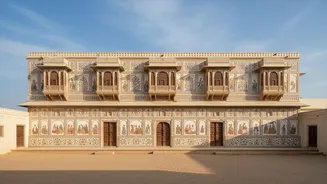
(mansions) as symbols of their prosperity. But instead of plain walls, they turned their homes into canvases. The entire region, particularly towns like Mandawa, Nawalgarh, and Fatehpur, is filled with hundreds of these painted mansions, earning it the title of an open-air art gallery where every wall tells a story.
The Stories on the Walls
The frescoes of Shekhawati are a vivid chronicle of their time. The art is not confined to frames but sprawls across facades, inner courtyards, and ceilings. Early paintings depicted mythological scenes, with tales from the Ramayana and Mahabharata, and portraits of gods like Krishna being popular motifs. As merchants traveled, their influences broadened. Later frescoes began to show the impact of the British Raj and the industrial age, with fascinating depictions of steam trains, gramophones, cars, and even Europeans in formal attire, creating a unique fusion of traditional Indian art with modern curiosities.
A Legacy of Restoration
For decades, as merchant families moved to major cities like Mumbai and Kolkata, many of these glorious havelis were abandoned and fell into disrepair. However, a growing appreciation for their cultural and artistic value has spurred a significant restoration movement. Today, many havelis are being meticulously brought back to life by their owners, local artists, and conservationists. A number of these restored architectural gems have been converted into heritage hotels, allowing visitors not just to see the art, but to live within it.
The Quiet Charm of the Off-Season
While the peak tourist season in Rajasthan runs from October to March, a visit to Shekhawati during the off-season (summer and monsoon months) offers a different, more profound experience. The summer heat, though intense, gives way to quieter towns and a more personal interaction with the art and architecture. This period sees significantly fewer visitors, meaning you can explore the havelis at your own pace, without the crowds. It’s a time for slow, contemplative travel, perfect for artists, photographers, and anyone wishing to absorb the serene atmosphere without distraction. Furthermore, accommodation rates are often considerably lower during these months.
Living Inside a Masterpiece
Staying in a restored haveli is an experience in itself. These heritage accommodations blend the grandeur of the past with modern comforts. Imagine waking up in a room where the ceiling is a canvas of delicate frescoes, and walking through courtyards adorned with centuries-old murals. Hotels range from lovingly restored family homes to grander mansions offering luxurious stays. This immersive experience allows for a deeper connection to the region's history, offering a sense of living within a piece of art rather than just observing it from the outside.