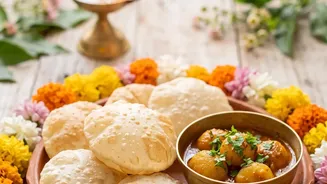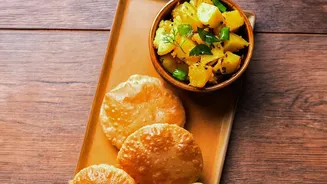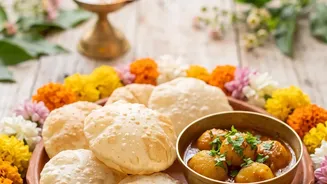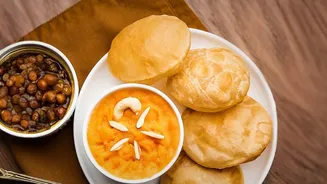


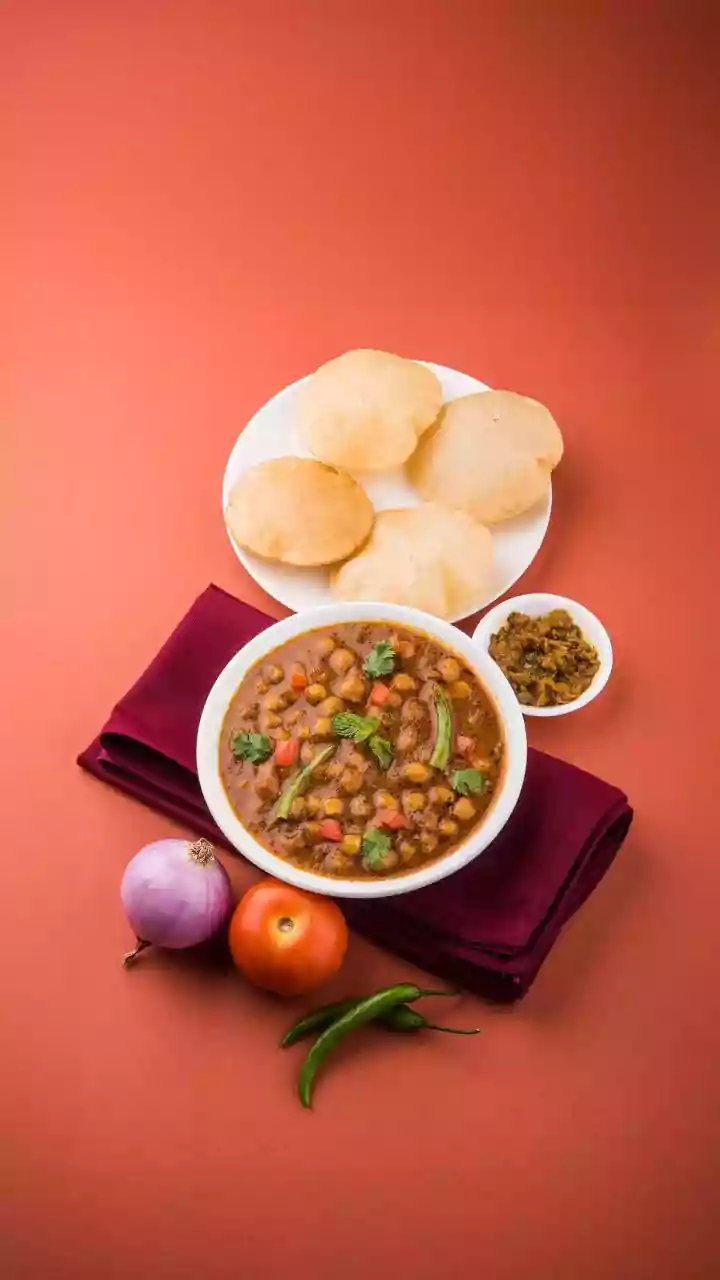
There are few meals in India that evoke as much universal joy as a plate of hot, fluffy puris served with a flavourful sabzi. This humble dish is more than just a breakfast; it's a thread of nostalgia that connects generations.
The Anatomy of a Perfect Match
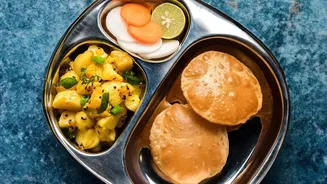
At its heart, puri sabzi
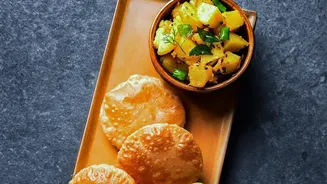
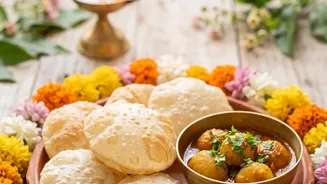
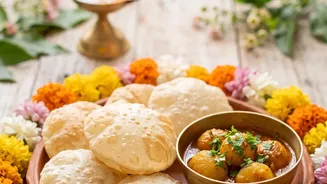
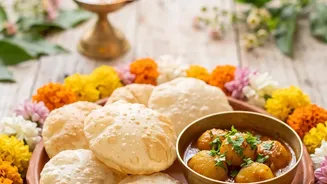
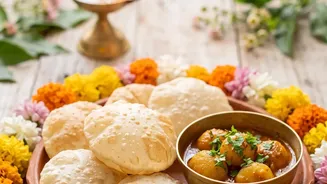
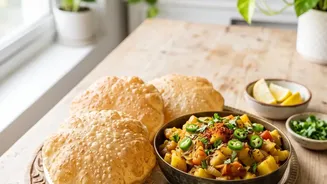
is a culinary duet of simplicity and flavour. The puri, a deep-fried bread made from unleavened whole-wheat flour, puffs up into a golden orb that is simultaneously crispy and soft. It serves as the perfect vessel for the accompanying 'sabzi' or 'bhaji'. While there are countless variations, the most classic pairing is with a spiced potato curry. This potato dish can range from a dry, mildly spiced preparation common in Maharashtra, to a tangy, gravy-laden version found in North India. The magic lies in this contrast—the airy, light puri scooped up with the hearty, aromatic potatoes creates a bite that is deeply satisfying and quintessentially Indian.
A Dish for Every Region and Reason
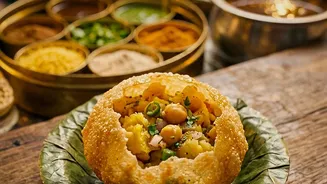
While puri with aloo sabzi is the classic combination, the dish wears different hats across the country, reflecting local tastes and traditions. In West Bengal, the puri transforms into a delicate, white 'luchi' made from refined flour (maida), often served with a subtly sweet 'cholar dal' or a rich 'aloor dom'. Head to Uttar Pradesh, and you might find 'bedmi puri', a heartier version stuffed with a paste of lentils and spices, designed to keep you full for hours. In Gujarat, the puri itself is often spiced with turmeric and carom seeds, while in parts of South India, it’s served with vegetable kurma or even sambar. This versatility makes it a beloved staple not just for a Sunday breakfast but also for festive occasions, long train journeys, and as a popular street food snack.
More Than a Meal, It's a Memory
For many, the appeal of puri sabzi goes far beyond its taste. It is inextricably linked to cherished memories and a feeling of home. It’s the smell of puris frying on a lazy Sunday morning, a special treat during festivals like Ganesh Chaturthi, or a celebratory meal at a family gathering. The dish is a cultural emblem, representing community and heritage. Many families have their own passed-down recipes and rituals associated with its preparation, turning the act of making and eating puri sabzi into a bonding experience. It’s the ultimate comfort food, a simple, warm, and flavourful plate that offers a taste of carefree days and maternal affection.
An Enduring Legacy on the Indian Palate
Interestingly, some of the core ingredients that make the sabzi so beloved today—potatoes, tomatoes, and chillies—were introduced to India only after the 16th century by European traders. Yet, they have been so seamlessly integrated into the cuisine that it’s hard to imagine the dish without them. The enduring popularity of puri sabzi lies in its adaptability and its powerful emotional resonance. From bustling street-side stalls serving it hot off the stove to quiet family dining tables, this dish continues to be a unifying culinary force. It remains a testament to the idea that the most memorable meals are often the simplest, cooked with love and shared with joy.