







Embrace the 'Second-Best' City
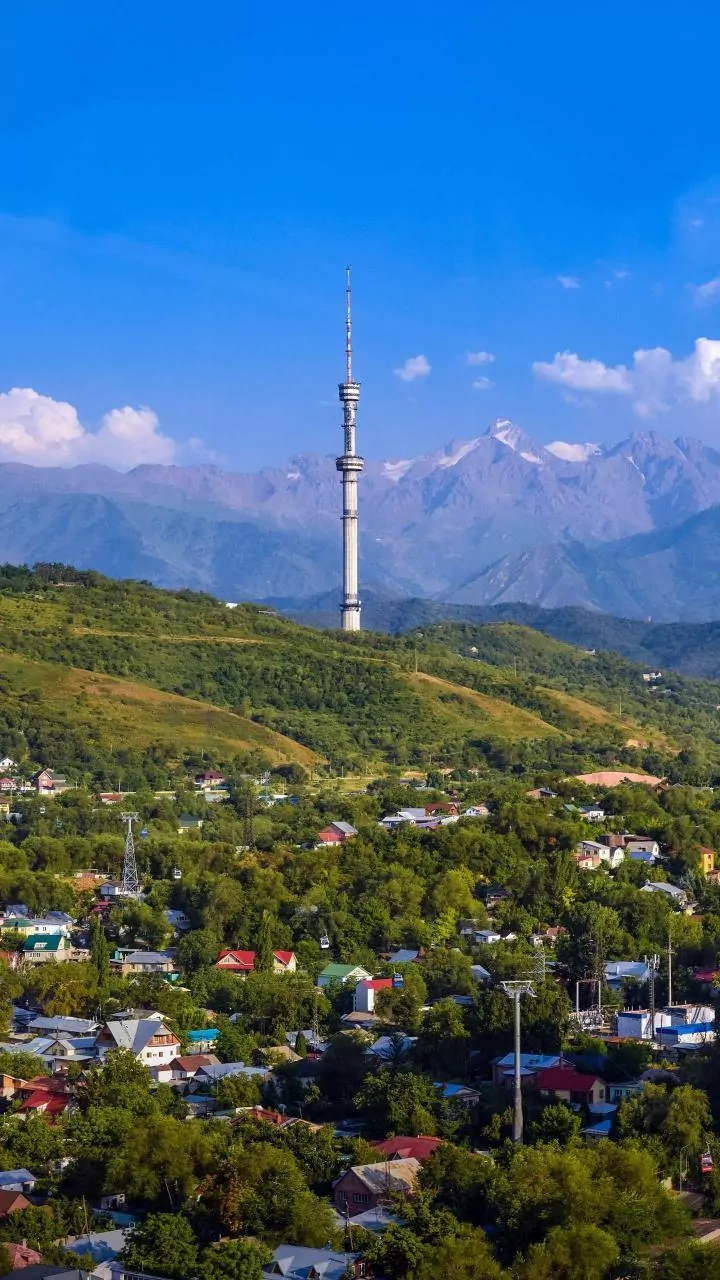
Everyone flocks to Paris, Rome, or Tokyo. But what about Lyon, Bologna, or Fukuoka? The world’s second-tier cities are often where the real magic happens. They offer a similar cultural flavor—fantastic food, rich history, vibrant street life—but with
a fraction of the crowds and none of the tourist-weary cynicism. You’re not just another visitor to be processed; you’re an object of curiosity. Locals are more likely to engage with you, prices are lower, and the rhythm of daily life is more authentic. Instead of fighting for a photo at a world-famous monument, you might find yourself discovering a centuries-old artisan workshop or being invited to a neighborhood festival. Your story won't be about waiting in line; it will be about the place you had all to yourself.
Follow a Niche Personal Quest
Give your trip a bizarrely specific mission. Instead of a vague goal like “see museums,” decide you’re going to find the best local doughnut in every town you visit. Or photograph every vintage neon sign. Or visit locations from a favorite old movie. This niche lens transforms you from a passive tourist into an active explorer. It gives you a reason to venture into neighborhoods you’d otherwise skip and a perfect excuse to strike up conversations. Asking a barista, “Where can I find the city’s oldest public clock?” is infinitely more interesting than asking for directions to the train station. This personal quest becomes the narrative spine of your journey, turning a series of random days into a coherent, quirky adventure that is uniquely yours.
Master the Art of the Detour
The most memorable travel moments are rarely on the itinerary. They happen in the spaces between planned activities. The key is to build those spaces in. Don’t schedule your days down to the minute. If you see an interesting-looking alleyway, walk down it. If you hear music coming from a side street, follow it. If the bus to the famous ruins is packed, maybe take the local train going in the opposite direction for a few stops and see where you end up. This requires a shift in mindset: seeing a missed train or a wrong turn not as a failure, but as an invitation from the universe to have a different kind of adventure. The story of how you accidentally discovered a hidden beach is always better than the one about the museum you were “supposed” to see.
Eat Where There's a Line of Locals
You can find a mediocre hamburger or a passable pizza in almost any city on Earth. Do not fall for this trap. The most direct portal into a culture is through its food, but the restaurants with laminated, multi-language menus are selling a pale imitation of the real thing. Your new rule: find the food stall, the hole-in-the-wall diner, or the simple cafe with a line of people who clearly aren’t tourists. They might be construction workers on their lunch break, grandmothers picking up dinner, or office workers grabbing a snack. They know what’s good. Point at what they’re having. Use gestures. Smile. You might not know exactly what you’re ordering, but that’s part of the story. It’s how you discover a life-changing bowl of noodles or a pastry you’ll dream about for years.
Talk to People Who Aren't Paid To
Your hotel concierge and tour guide are valuable resources, but their job is to give you a polished, predictable experience. The best, most unfiltered information comes from everyone else. Talk to the person sitting next to you at the coffee shop, the vendor at the morning market, or the old man reading a newspaper on a park bench. Learn a few key phrases in the local language—not just “hello” and “thank you,” but something like, “What do you recommend?” or “This is delicious!” Showing even minimal effort can unlock incredible warmth and generosity. These are the people who will tell you about the local band playing in a basement bar tonight or the viewpoint that isn’t in any guidebook. They turn a destination from a place on a map into a community you’ve briefly touched.