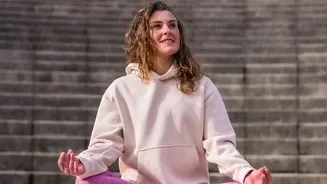







Yoga and The Teen Brain
The teenage brain is a work in progress, particularly the prefrontal cortex, which is responsible for planning, decision-making, and regulating emotions. Research shows that yoga and mindfulness practices can support this crucial stage of development.
Practices that combine physical postures with conscious breathing have been shown to help calm the body's stress response. Studies suggest that students who practice yoga may experience improvements in emotional regulation, stress management, and attention. By giving the brain a dedicated break to focus on breath and movement, yoga can help improve concentration and memory, making it a valuable tool during exam season and beyond.
Setting Up for Success
The beauty of a home yoga practice is its simplicity. You don't need expensive gear or a lot of space. Find a quiet corner where a yoga mat can be rolled out. Encourage practicing at a consistent time, like for 15 minutes before starting homework to clear the mind, or before bed to unwind. The atmosphere can make a huge difference. Dim the lights, put on a favourite calm playlist, or use an essential oil diffuser. The goal is to create a peaceful environment that signals it's time to slow down and focus inward, away from the day's pressures.
A 15-Minute Routine to Start
A short, consistent routine is more effective than a long, occasional one. This simple sequence can be done daily to promote both energy and relaxation. 1. Mountain Pose (Tadasana): Stand tall with feet together, distributing weight evenly. Breathe deeply for 5-8 breaths to centre yourself and improve posture. 2. Sun Salutation (Surya Namaskar): Flow through a simplified version of this classic sequence a few times to warm up the body and connect breath to movement. 3. Warrior II (Virabhadrasana II): This strong standing pose builds confidence and stamina. It opens the hips and chest, countering the effects of sitting at a desk. 4. Tree Pose (Vrikshasana): A classic balancing pose that dramatically improves focus. Balancing on one leg forces the mind to stay in the present moment. 5. Seated Forward Bend (Paschimottanasana): A calming pose that stretches the hamstrings and spine. It's a great way to release tension after a long day of sitting. 6. Legs-Up-The-Wall Pose (Viparita Karani): A deeply restorative pose. Simply lie on the floor and rest your legs up against a wall. It helps calm the nervous system and is excellent before sleep.
Poses for Academic Focus
When it's time to hit the books, a few specific poses can help prime the brain for learning. Poses that increase blood flow to the brain are particularly effective. Cobra Pose (Bhujangasana): Lying on the stomach and gently lifting the chest helps reverse a 'study slouch', opening the shoulders and improving circulation to the brain. Balancing Stick Pose: This challenging pose requires intense focus, which helps improve both memory and concentration. Half Tortoise Pose: By bringing the head below the heart, this pose increases cerebral blood flow, promoting relaxation and mental clarity. It is said to have deeply restorative effects on the mind.
Making it Fun and Engaging
For any routine to stick, it has to be enjoyable. Encourage your teen to create a 'yoga vibe' that feels personal to them. This could mean curating a specific playlist, from calming ambient sounds to slow-tempo indie rock. There are also countless free yoga videos online designed specifically for teens, with instructors who are relatable and fun. Suggest practicing with a friend for a shared wellness activity or using a yoga app to follow guided classes and track progress. The key is to let go of the idea of perfection and instead focus on the feeling of becoming stronger, more flexible, and calmer with each practice.