





As India enters its peak wedding season, gold prices are experiencing significant fluctuations. Yet, the demand for this precious metal, a cornerstone of Indian weddings, appears as resilient as ever. So, what makes this demand so immune to market volatility?
More Than an Accessory, It's a Blessing
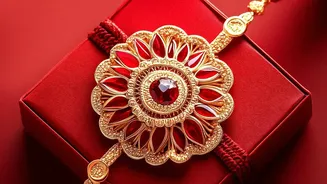
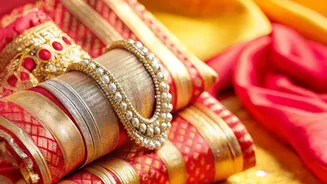
In India, gold is not merely an adornment; it's deeply woven into the cultural and spiritual fabric of society. Particularly in weddings, gold symbolises purity, prosperity, and the blessings of Goddess Lakshmi for the new couple. This belief transforms the act of buying gold from a simple purchase into a sacred, non-negotiable ritual. Families view gifting gold as an essential part of the ceremony, a way to bestow good fortune and honour upon the bride and her new family. This cultural significance ensures that gold remains a priority on the wedding shopping list, regardless of its price tag.
The Ultimate Financial Safety Net
Beyond its ritualistic importance, gold serves a critical financial function. Traditionally, it constitutes 'Streedhan'—the wealth a bride takes with her, which remains her own. This has historically provided women with a form of financial security. In a broader sense, gold is considered a stable and liquid asset, a safe haven that can be relied upon in times of economic uncertainty. Families often plan and save for wedding gold purchases over many years. This long-term planning means the immediate price on a given day is less of a deterrent. The purchase is seen not as an expense, but as a crucial, long-term investment in the family's future and the bride's security.
How Buyers Adapt to High Prices
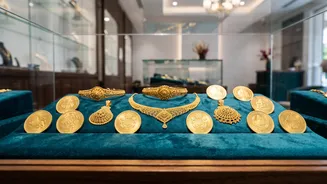
While the core demand for gold remains constant, consumer behaviour cleverly adapts to price volatility. The question for families is not 'if' they will buy gold, but 'how'. When prices are high, buyers get strategic. Many opt for lightweight or hollow jewellery, which provides the desired look without the heavy cost. There is also a noticeable shift towards lower-carat gold, such as 18-karat instead of 22-karat, to manage budgets. Furthermore, exchanging old, inherited, or unused gold for new pieces is a widespread practice that helps offset the cost of new purchases. Jewellers report that these exchanges can account for a significant portion of their business, especially when prices are elevated.
Jewellers' Smart Seasonal Strategies
The jewellery industry, well-attuned to these patterns, also adjusts its strategies. Ahead of the festive and wedding seasons, which typically run from October to December and again from January to March, retailers introduce new collections focused on lighter designs. They also heavily promote monthly savings schemes and advance-booking offers. These 'price-protection' schemes allow customers to lock in a gold rate in advance, shielding them from potential price hikes and making it easier to budget for large purchases. This proactive approach ensures that even with fluctuating prices, the path to purchase remains accessible for determined buyers.