



The Science of Sunshine and Sugar
The most important factor in flavour is natural ripening. When a fruit or vegetable is allowed to ripen fully on its parent plant, it’s essentially soaking up sunshine and nutrients until the last possible moment. Through photosynthesis, the plant converts
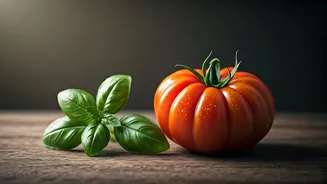
sunlight into energy, which it uses to develop natural sugars. This process is what gives a perfectly ripe tomato its sweetness and a peak-season watermelon its incredible juiciness. When produce is picked too early to prepare it for a long journey, it’s cut off from this crucial energy source. It may change colour later, but it will never develop that same deep, complex sweetness. It has the look, but not the soul.
The Ripening Clock and a Puff of Gas
Plants have a natural ripening hormone called ethylene. As a fruit matures on the vine, ethylene signals it to soften, change colour, and develop its signature aroma and taste. However, to survive long-distance shipping, much of the produce you find in a supermarket is picked while it's still hard and green. It's then transported and often held in storage before being artificially ripened with a dose of ethylene gas just before it hits the shelves. This process is effective at making a green banana turn yellow or a hard tomato turn red, but it’s a rushed, incomplete imitation of nature. It triggers the colour change but fails to replicate the intricate development of flavour compounds that only happens with time and a connection to the plant.
The Problem with the Cold Chain
To prevent spoilage during its long journey from a farm—which could be thousands of kilometres away—produce is kept in refrigerated trucks and warehouses. This “cold chain” is essential for modern logistics, but it’s a flavour killer. Many fruits and vegetables, especially those that originated in warmer climates like tomatoes, cucumbers, and mangoes, suffer from what scientists call “chilling injury.” When stored below a certain temperature (around 12°C for tomatoes), the chemical compounds that create their wonderful aroma and taste are permanently destroyed. The cold essentially mutes their flavour. This is why a refrigerated tomato often tastes watery and dull, even after it’s been brought back to room temperature. The damage is already done.
Bred for Travel, Not for Taste
The demands of the global supply chain have also changed the very nature of the produce we eat. For decades, agricultural scientists have been breeding fruits and vegetables not for flavour, but for durability. The priority is to create varieties with thicker skins that resist bruising, a uniform size and shape for easy packing, and a long shelf life. That perfectly round, blemish-free tomato that can survive a cross-country trip is a feat of agricultural engineering, but those traits often come at the expense of taste. In contrast, produce grown for local, seasonal consumption doesn't need to be as tough. Farmers can choose older, heirloom varieties known for their exceptional flavour, even if they’re a bit oddly shaped or have a shorter shelf life.
It's Also About Peak Nutrition
The benefits of eating seasonally go beyond just taste. When a fruit or vegetable is allowed to fully ripen on the plant, it not only maximises its sugar content but also its nutritional profile. Studies have shown that some vitamins and antioxidants, like Vitamin C and beta-carotene, are at their highest levels in sun-ripened, freshly picked produce. As soon as produce is harvested, its nutritional value begins to decline. The longer it spends in transit and storage, the more nutrients are lost. So, that vibrant, flavourful piece of seasonal fruit is likely giving you a bigger nutritional punch, too.