




A Universe of Flavour vs. One-Note Sweetness
Standard commercial sauces—ketchup, sweet chilli, and many salad dressings—often rely on a simple formula of sugar, salt, and acidity. A tablespoon of ketchup can contain a teaspoon of sugar, while barbecue sauce can have more sugar than a donut. This
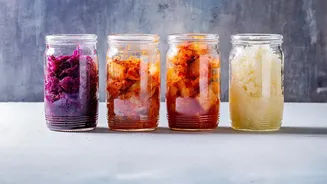
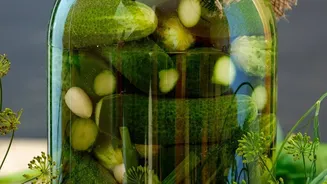
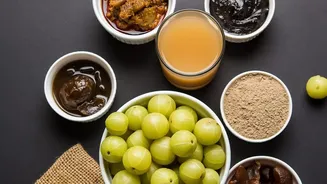
creates a predictable, often overwhelmingly sweet or salty taste that can mask the food it’s meant to accompany. Traditional Indian pickles, or 'achaar', are the complete opposite. Their complex flavours are developed through fermentation, a slow process where natural bacteria break down sugars, creating layers of sour, spicy, and umami notes. The taste isn't added; it evolves. Spices like fenugreek, mustard, turmeric, and asafoetida contribute not just flavour but also aroma and a depth that a squeezy bottle simply cannot replicate. Each region, and indeed each family, has its own unique recipe, making pickles a diverse culinary art form rather than a mass-produced commodity.
The Probiotic Powerhouse
Perhaps the most significant advantage of traditional pickles lies in what they contain: live beneficial bacteria. Naturally fermented pickles are a source of probiotics, the 'good' bacteria that support a healthy gut microbiome. These microorganisms can aid digestion, improve nutrient absorption, and even support the immune system. A healthy gut is increasingly linked to overall well-being, and a small serving of traditional achar can contribute to this ecosystem. In stark contrast, most commercial sauces offer little to no such benefits. To ensure a long shelf life, they are often pasteurised—a heating process that kills all bacteria, both good and bad. They are also frequently loaded with artificial preservatives, stabilisers, and high levels of sodium and sugar, which can be detrimental to health when consumed in excess.
An Integral Part of Culture and Heritage
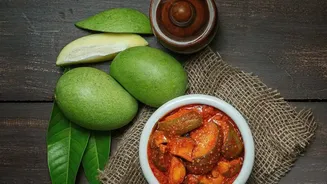
A bottle of sauce is a product. A jar of homemade pickle is a story. For centuries, the act of pickling in India has been a communal and familial ritual, a way to preserve seasonal produce and ensure flavour throughout the year. The knowledge and recipes are passed down through generations, embodying love, tradition, and regional identity. From the fiery mango pickles of the north to the tangy lime and vegetable pickles of the south, each variety reflects the local produce and palate. This process is a celebration of culinary heritage, connecting people to their roots and to each other. Commercial sauces lack this profound cultural connection. They are products of industrialisation, designed for convenience and uniformity. While useful, they don't carry the same weight of tradition, family, and place that is bottled in every jar of authentic, handmade pickle.
Mindful Moderation Over Mindless Dollops
Due to their intense and concentrated flavour, pickles are consumed in moderation. A small spoonful is all that's needed to enlivena an entire meal. This mindful consumption is a stark contrast to the often mindless dollops of sauce used to drench foods, adding significant amounts of hidden sugar, salt, and calories. For example, a single tablespoon of soy sauce can contain nearly half the daily recommended salt intake, while many other popular sauces are high in fat and calories. While traditional pickles also contain salt as a preservative, their potent flavour encourages small serving sizes. The fermentation process can also make the nutrients within the vegetables more available for the body to absorb, meaning you get more nutritional value from a smaller amount.