


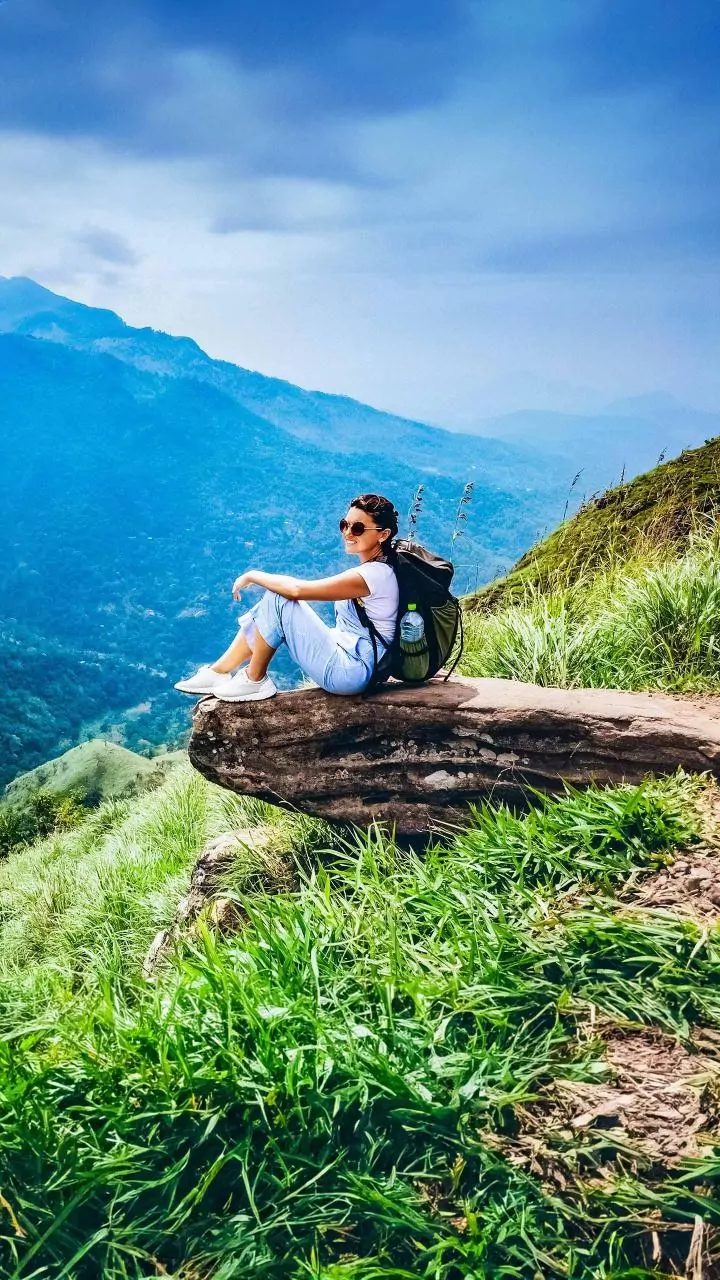





The End of the Annual Holiday
The long-standing tradition of the single, big annual family vacation is losing its charm for India's younger generation. A landmark report from Airbnb recently highlighted this seismic shift, revealing that 87% of Indian Gen Z travellers, those aged
between 18 and 29, now favour trips that last less than a week. In fact, a whole 70% would rather take three shorter breaks throughout the year than one long holiday. This move towards bite-sized travel, from weekend getaways to three or five-day jaunts, signals a fundamental change in how young Indians approach leisure, exploration, and rest. It’s a transition from travel as a rare, planned-out event to travel as a regular, integrated part of life.
The Economics of Experience
A key driver behind the rise of short trips is simple economics. For a generation that is often in the early stages of their careers or still studying, a 'more is more' approach to experiences is paramount. Spreading a travel budget across several smaller trips is more financially manageable than splurging on one expensive, extended holiday. This allows for a greater variety of experiences, locations, and memories throughout the year. It feeds into the broader generational preference for an 'experience economy' over accumulating material goods. Rather than saving for months for a single destination, they can enjoy a weekend trip to the mountains, a quick beach escape, and a city break, all within the same year, making travel feel accessible and constant rather than a once-a-year luxury.
Travel as Self-Expression
For Gen Z, travel is deeply personal. The same study found that 87% believe the way they travel is a reflection of who they are as a person. Furthermore, an overwhelming 95% want their trips to feel unique and personal, not like a pre-packaged, typical itinerary. They are the 'anti-itinerary' generation, valuing spontaneity and authenticity above all. This doesn't mean social media has no influence; rather, its role has evolved. Instead of just visiting viral hotspots, they use digital platforms to discover unique homestays, hidden cafes, and offbeat experiences that align with their personal brand. The goal is no longer to just see a landmark, but to curate a journey that tells a story about their individual tastes and values.
The Hustle and The Quick Escape
In today's fast-paced, 'always-on' work environment, taking a long, uninterrupted break can feel like a professional liability. Short trips provide the perfect antidote. They serve as a crucial pressure-release valve, offering a quick and regular escape from work stress and the threat of burnout without the need for extensive planning or time off. This is reflected in their booking habits: 66% of Gen Z travellers book their trips within just days or weeks of departure, treating travel as a spontaneous response to a free weekend or a need to recharge. These getaways are less about grand exploration and more about a change of scenery and a chance to reset before diving back into the hustle.
The Stay Is the Destination
Perhaps the most interesting shift is the evolving role of accommodation. It's no longer just a place to sleep. For Gen Z, the stay itself has become a central part of the experience. A remarkable 82% consider accommodation to be very or extremely important when planning a trip. In many cases, an aesthetically pleasing homestay, a unique villa, or a well-designed apartment is the primary motivator for the trip, with the destination being a secondary choice. They are looking for a 'home wishlist'—a balcony with a view, space to relax with friends, and proximity to local life—rather than a generic hotel room checklist. This shows a desire for comfort, immersion, and creating a memorable vibe, proving that sometimes, the best part of the trip is simply staying in.