





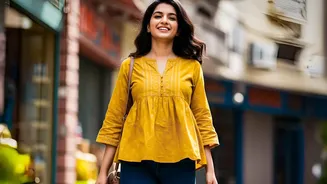
More Than Just a Morning Walk
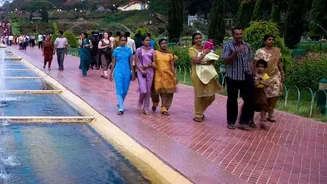
The simple act of walking has been a part of Indian life for millennia, but its modern iteration is something new. Today, it's becoming a structured social activity. From informal groups of neighbours to organized clubs with thousands of online members,
walking is being transformed from a solitary pursuit into a shared experience. These aren't just fitness groups; they are vibrant communities that offer structure, motivation, and, most importantly, companionship. In cities like Delhi, Mumbai, and Bangalore, groups such as 'City Girls Who Walk' and 'Walk for Health' are providing safe, inclusive spaces for people to connect. The premise is simple: show up and walk. The result, however, is profoundly more complex and beneficial.
A Remedy for Urban Loneliness
Modern urban life can be isolating. With migration for work, the rise of nuclear families, and digital connections often replacing real-world contact, many urban Indians report feeling lonely. Reports have highlighted that a significant portion of India's urban youth feel friendless, a sentiment exacerbated by the pandemic. Walking clubs have emerged as a powerful antidote. They provide a low-pressure environment to meet new people organically. For young professionals in new cities, away from their hometowns and old friends, these groups offer an alternative social circle outside of work. The shared activity of walking breaks down social barriers, making conversation and connection feel natural and unforced.
From Steps to Lasting Friendships
What starts as a shared walk often blossoms into deep, meaningful relationships. Members find themselves part of a support system. These clubs frequently evolve beyond their initial purpose, organizing potlucks, cultural events, workshops, and even trips together. For instance, the 'City Girls Who Walk Delhi' group, which started as a simple walking initiative, now has over 30,000 online members and hosts activities like Zumba, poetry, and yoga sessions, fostering a strong sense of community. This social cohesion is a key benefit, providing a sense of belonging that enhances emotional well-being just as much as the physical activity improves health.
All Ages, All Walks of Life
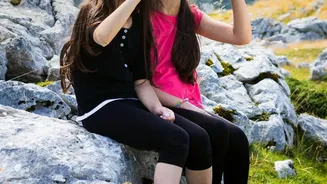
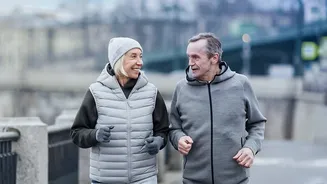
One of the most remarkable aspects of this trend is its diversity. These groups bridge generational gaps, bringing together people from different backgrounds and age groups who might not otherwise interact. In Delhi, mother-daughter duos have found the clubs to be a unique way to bond and see the world through each other's eyes. Meanwhile, dedicated groups for seniors, like WalkAbout Mumbai, offer curated events, travel, and wellness programs that combat isolation and promote an active lifestyle in their golden years. Women, in particular, have found these groups to be safe and empowering spaces to reclaim public areas, exercise, and build a sisterhood of support.
The Simple Blueprint for Health
Beyond the social benefits, the health advantages are undeniable. Walking is a low-impact exercise with a low barrier to entry and an incredibly low dropout rate. Studies have shown that regular walking in groups can lead to significant improvements in cardiovascular health, including lower blood pressure, resting heart rate, and cholesterol. It also has proven mental health benefits, reducing stress and symptoms of depression and anxiety. The simple act of walking outdoors, especially in nature, promotes mindfulness and a deeper connection with one's surroundings. By combining physical activity with social interaction, these clubs offer a holistic approach to well-being that is both effective and enjoyable.