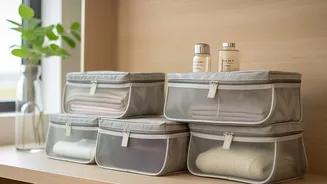

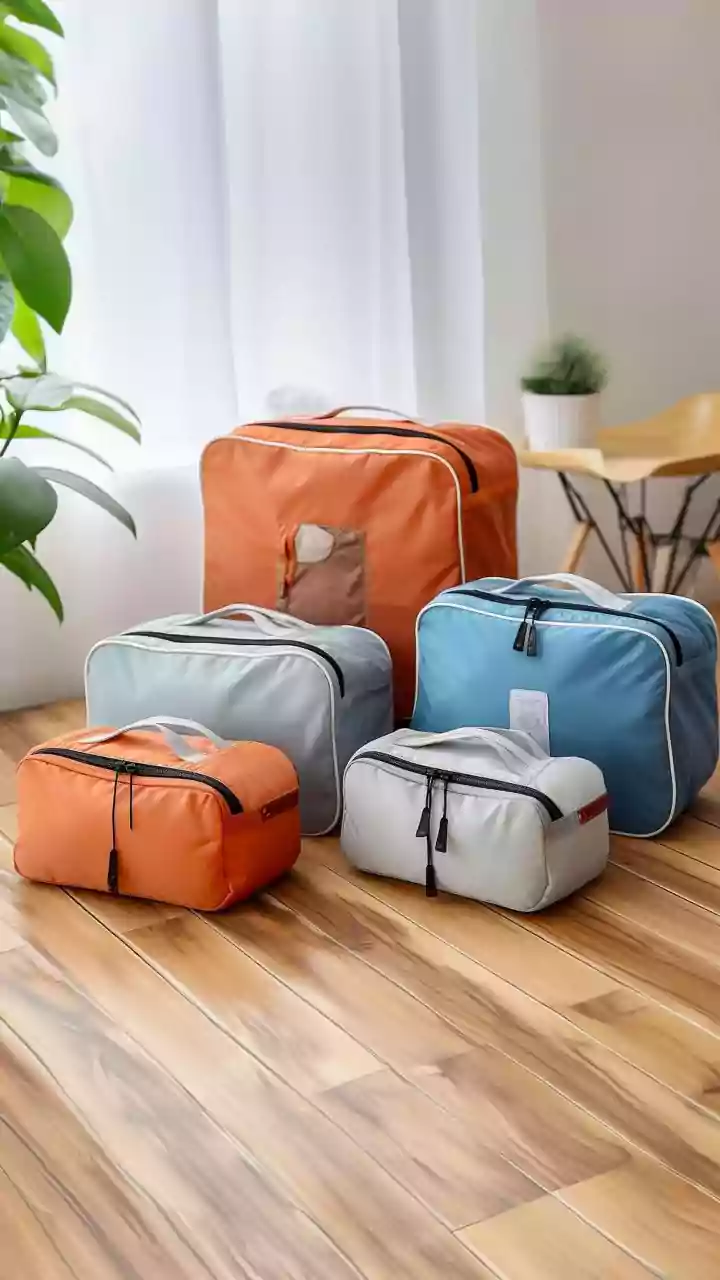





What Exactly Are Compression Packing Cubes?
At first glance, compression cubes look just like the standard packing cubes that have become popular for organizing luggage. Both are fabric containers used to sort clothes. The key difference, however, lies in a second zipper. A regular packing cube is
a simple pouch for compartmentalizing items. A compression cube adds a second, outer zipper that runs around its circumference. After you fill the cube and close the main zipper, you then zip the compression zipper, which cinches the cube down, forcing out excess air and making the entire package significantly flatter and more compact. It's not a vacuum seal, but a mechanical squish that creates a dense, manageable block of clothing.
The Science of Saving Space
The magic of compression cubes isn't that they make your clothes weigh less—a common misconception—but that they reduce volume. Clothes, especially soft and bulky items like sweaters, t-shirts, and fleece jackets, trap a surprising amount of air between their fibers and in the empty spaces of a suitcase. Compression cubes work by systematically expelling this air. By turning a loose pile of clothing into a tightly packed, structured block, you can eliminate those inefficient air pockets. This allows you to fit more items into the same amount of space, or simply enjoy a less overstuffed bag. The result is a real-life game of Tetris where every piece fits perfectly.
A Perfect Strategy for a Four-Day Carry-On
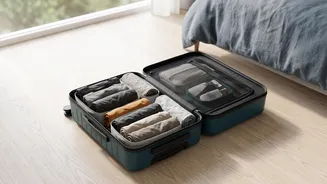
For a four-day trip, compression cubes are particularly effective. This duration often falls into an awkward middle ground—too long for a simple overnight bag but too short to justify checking luggage. Using a category-based packing method with compression cubes is ideal. Designate one medium cube for tops (T-shirts, a blouse), another for bottoms and layers (jeans, a sweater), and a small cube for socks and underwear. For a four-day trip, this might mean packing four tops, two bottoms, and a layering piece like a cardigan. By rolling clothes tightly before placing them in the cubes, you can further maximize space and even reduce some types of wrinkling.
Beyond Space: The Benefits of Organization
While creating space is their main selling point, the organizational benefits are just as transformative. Instead of a chaotic suitcase where everything is mixed together, your luggage becomes a set of neatly organized drawers. Need a fresh shirt? Just pull out the 'tops' cube without disturbing everything else. This makes finding what you need effortless and keeps your hotel room tidy, as you never have to fully unpack. Furthermore, many travelers designate one cube for dirty laundry, keeping worn clothes separate from clean ones throughout the trip. This simple system makes repacking for the journey home significantly faster and more hygienic.
Things to Keep in Mind
Compression cubes are not without their trade-offs. The act of compressing clothes can lead to wrinkles, especially with fabrics prone to creasing like cotton shirts or linen. To mitigate this, rolling clothes is often recommended over folding, and you should avoid over-stuffing the cubes. It's also wise to use them for items that are less likely to wrinkle, such as knits, wool, or workout gear. Remember, compressing your clothes adds density, not weight. Your bag will be just as heavy, so be mindful of airline weight restrictions for carry-on luggage. The temptation is to fill the extra space you've created, but the real win is having a smaller, more manageable bag.