
The Invisible Threat on a High-Touch Surface
Every time you open your pet's food storage, you create an opportunity for cross-contamination. Dry pet foods, though seemingly harmless, can be contaminated with bacteria like Salmonella and E. coli. These germs don't just stay in the food. When you use
a scoop and close the lid, any bacteria on the scoop or your hands can transfer to the bin's handle. This turns the handle into a high-traffic zone for invisible pathogens. The next person to touch it, whether to feed the pet or just move the bin, can then pick up these germs and spread them to doorknobs, kitchen counters, and other surfaces throughout the home. It’s a microbial chain reaction that often starts from a single, overlooked touchpoint.
Why This Matters for Your Whole Family
The risk extends beyond a simple stomach bug. For vulnerable individuals, such as young children, older adults, and those with compromised immune systems, a Salmonella infection can be serious, potentially requiring hospitalization. People can become infected by touching the contaminated pet food or a contaminated surface and then touching their mouths. What makes this risk even more insidious is that pets can carry and shed these harmful bacteria without showing any signs of illness themselves. Your perfectly healthy-looking dog or cat could be an unknowing source of germs that are transferred from their food to their bowl, and then to the scoop you use, the bin you store it in, and the hands that feed them.
A Simple Habit for Every Feeding
To break the chain of contamination, adopt a simple new step into your feeding routine. After you’ve served your pet’s meal, take a moment to wipe down the handle of the storage bin. A disinfectant wipe or a cloth spritzed with a pet-safe cleaner will suffice. This small action mirrors the guidance from public health authorities like the U.S. Food and Drug Administration (FDA), which stresses the importance of hand hygiene. The single most effective way to prevent illness is to wash your hands for at least 20 seconds with soap and hot water immediately after handling pet food and treats. Wiping the handle is an added layer of security that helps keep your hands cleaner and your home safer until you can get to a sink.
Your Complete Pet Food Station Cleaning Guide
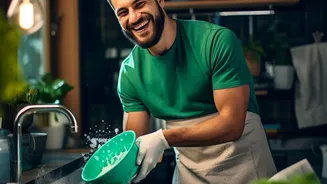
A clean handle is a great start, but true food safety involves the entire feeding station. The FDA recommends washing both the pet food bowl and the scooping utensil with soap and hot water after every single use. This prevents the buildup of bacteria and rancid oils. Don't simply top up the bowl with fresh food; wash it first. Furthermore, the storage bin itself needs regular attention. When you finish one bag of food, don't just pour the new bag on top of the crumbs and residual oils left at the bottom. These leftovers can harbor bacteria and mold. The best practice is to wash the entire container with soap and water and dry it thoroughly before refilling it.
Smarter Storage for Safer Kibble
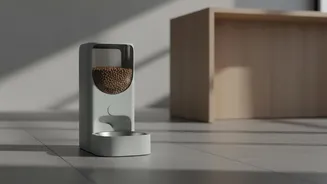
The way you store pet food can significantly impact its safety and freshness. Many experts and the FDA recommend keeping the food in its original bag, which is designed to preserve nutrients and has a grease-proof liner. For added protection against pests and to maintain freshness, place the entire bag into an airtight storage container. This also ensures you have the brand, best-by date, and lot number handy in case of a product recall. If you prefer to pour kibble directly into a bin, consider the material. Over time, plastic containers can develop micro-scratches that trap bacteria and are difficult to clean. They can also absorb oils, which become rancid. A container made of stainless steel is non-porous, more durable, and easier to sanitize effectively.