





The Age-Old Packing Problem
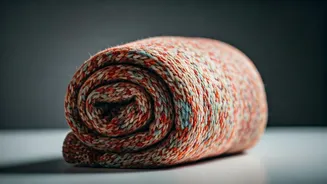
You’ve tried it all. The rolling method, the folding method, the ‘stuff-it-in-and-pray’ method. Yet, the challenge remains. Bulky items like sweaters, jackets, and even thick trousers are full of air—fluffy, lofty, and space-hogging. They are the primary
culprits in the battle for suitcase real estate. For years, the only solution was to pack less or buy a bigger bag. But for carry-on loyalists and chronic over-packers alike, a better solution has emerged, one that tackles the problem at its source: the air trapped within your clothes.
What Are Compression Seal Sacks?
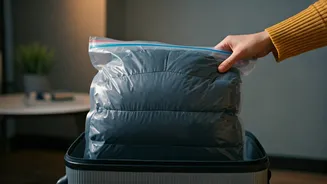
Not to be confused with standard packing cubes, which primarily offer organisation, compression sacks are designed for one main purpose: to dramatically reduce the volume of your soft goods. These are typically durable, flexible plastic bags equipped with a one-way valve or a zip-seal mechanism. You place your bulky clothing inside, seal the bag, and then force the air out. The result is a dense, compact, and significantly smaller package that takes up a fraction of its original space in your luggage.
How the Magic Works
The principle is simple physics. A winter jacket or a woollen sweater is mostly air trapped between its fibres. Compression sacks allow you to evacuate that air. There are two main types: 1. **Roll-Up Sacks:** These are the most common for travel. After filling and sealing the bag, you simply roll it tightly from the sealed end towards the bottom. This pressure forces the trapped air out through a series of special one-way vents or channels at the base. No vacuum cleaner required. 2. **Valve Sacks:** These bags have a dedicated one-way valve. You can either press down on the bag to expel the air or, for maximum compression, use a small, often included, hand pump or a household vacuum cleaner. These are often used for long-term home storage but travel-friendly versions exist.
The Ultimate Space Saver
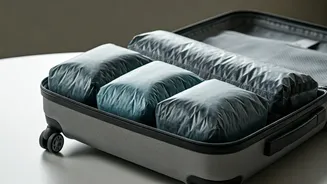
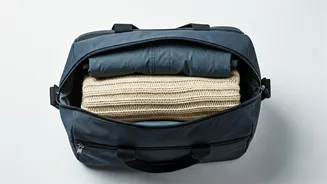
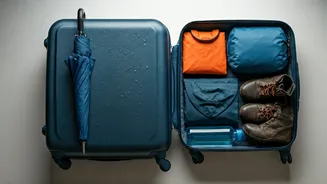
The primary benefit is, of course, the incredible space savings. A puffy down jacket that could fill a third of a carry-on can be compressed into a slim, solid brick. Three bulky sweaters can shrink to the size of one. This is a game-changer for anyone travelling to a cold climate, packing for multiple weather conditions, or simply trying to maximise a small suitcase. It’s the difference between checking a bag and flying with just a carry-on, saving you time at the airport and money on baggage fees.
More Than Just Compression
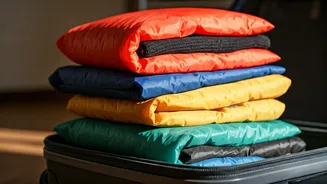
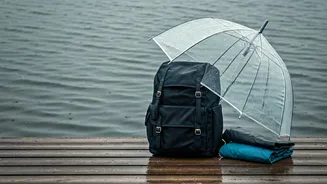
While space is the main selling point, these sacks offer other valuable perks. Once sealed, they are airtight and watertight, providing excellent protection for your clothes against accidental spills from toiletries or exposure to rain. They are also fantastic for organisation. You can use different sacks for different types of clothing—one for sweaters, one for trousers. On the return journey, they become the perfect place to quarantine dirty laundry, keeping it separate from your clean clothes and containing any odours.
A Word of Caution
Compression sacks are a powerful tool, but not a magic wand. First, they reduce volume, not weight. In fact, by allowing you to pack more into your suitcase, they make it easier to exceed airline weight limits. Always weigh your bag after packing. Second, extreme compression can lead to serious wrinkles in fabrics like cotton and linen. These sacks are best used for soft, puffy items that are less prone to creasing, like knitwear, jackets, and fleece. For dress shirts or trousers, traditional rolling or folding is still a better option.