




What Makes a Meal 'Balanced'?
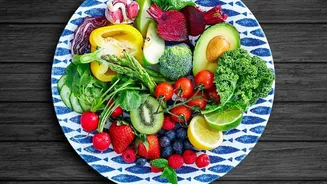
Before you start packing, it's helpful to know what a 'balanced' meal actually is. Think of it as a plate that gives your body everything it needs to stay energised and full. A simple way to visualise this is to divide your meal into three main parts.
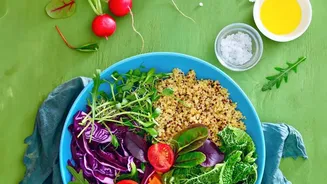
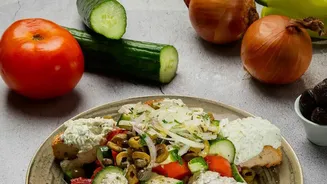
About half should be fruits and vegetables, which provide essential vitamins and fibre. A quarter should be a source of protein like dal, paneer, eggs, or chicken to keep you feeling full. The final quarter should be complex carbohydrates such as whole-wheat rotis, brown rice, or millets for sustained energy. A little healthy fat from sources like nuts, seeds, or a light dressing is also important. This combination ensures you avoid energy slumps and unhealthy cravings during your journey.
The Art of Smart Packing
The secret to a successful travel meal lies in the packing. The right container can make all the difference between a delicious meal and a disappointing mess. Invest in good-quality, leak-proof, and airtight containers. Glass or sturdy plastic boxes with locking lids are excellent choices. For semi-liquid dishes or curries, create an extra barrier by placing them in a sealed bag before putting them in the container. To keep food fresh, especially on longer journeys, combine frozen and refrigerated items in an insulated bag. The frozen items will act as ice packs, keeping everything cool. Also, consider the food's structure; some dishes, like dry sabzis or parathas, are naturally more travel-friendly than gravies. Always pack a small roll of paper towels and a reusable cutlery set for convenience.
Simple Meal Ideas for Indian Travellers
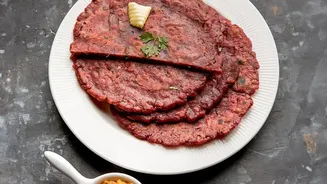
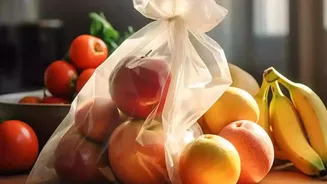
You don’t need to cook a feast to eat well on the road. Many classic Indian dishes are perfect for travel. Thepla or methi parathas are fantastic because they have a good shelf life and can be eaten with pickle or plain yogurt. Idlis are another great option; they are steamed, light, and can be paired with a dry chutney powder. For a one-pot meal, consider packing lemon rice, tamarind rice (puliyodharai), or a vegetable pulao—these rice dishes taste great even at room temperature. A simple sandwich with a filling of cucumber, tomato, and cheese or a paneer bhurji stuffing is always a reliable choice. For snacks, roasted makhana (fox nuts), a trail mix of nuts and seeds, or fresh fruit like bananas and apples are healthy and easy to eat.
Hydration is Key
Staying hydrated is just as important as eating well, especially when you are travelling. While water is essential, you can also carry other refreshing drinks. Buttermilk (chaas) in a sealed bottle is a wonderful digestive and keeps you cool. Coconut water is another excellent natural electrolyte that helps you stay hydrated. You can also carry a small flask of unsweetened iced tea or a homemade lemon and mint cooler. These options are far healthier than sugary sodas or packaged juices that are often the only choices available on the road.
What to Leave Behind
Knowing what not to pack is as important as knowing what to pack. Avoid foods that are very oily or have a strong, pungent odour, as they can be unpleasant in a confined space like a car or train. Dishes with thin, watery gravies are prone to spilling and should be avoided. Foods that spoil quickly without refrigeration, such as creamy desserts or certain dairy products, are also best left at home. Finally, anything that is overly crumbly or messy to eat can create an inconvenience. The goal is to have a meal that is enjoyable and stress-free, for you and those travelling with you.