
The End of the Showroom Look
For decades, the ideal Indian living room was often defined by a matching three-piece sofa set, a coordinating centre table, and a sense of uniform order. The goal was a polished, almost formal look, as if the entire room had been purchased in a single
shopping trip. But that ideal is being lovingly dismantled. Today, homeowners and designers are embracing a more eclectic and personal approach. The shift is away from interiors that feel staged and towards spaces that seem assembled over time, reflecting a life lived. According to designers, this isn't about messiness; it's about moving beyond rigid design rules to create spaces that reflect individual personalities, habits, and aspirations. The highest compliment for a home is no longer 'It looks expensive', but 'It feels so you'.
The Allure of Second-Hand Stories
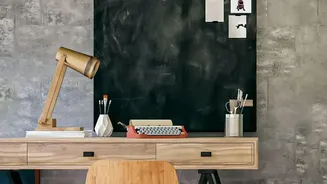
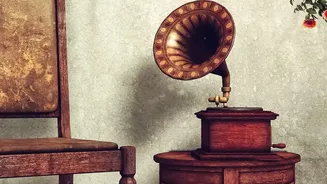
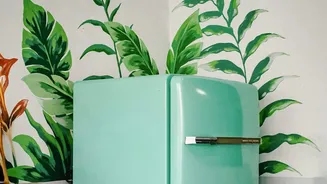
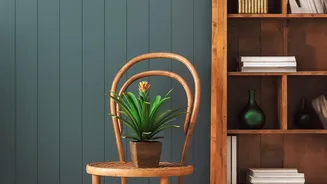
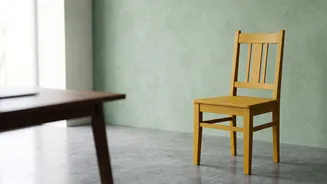
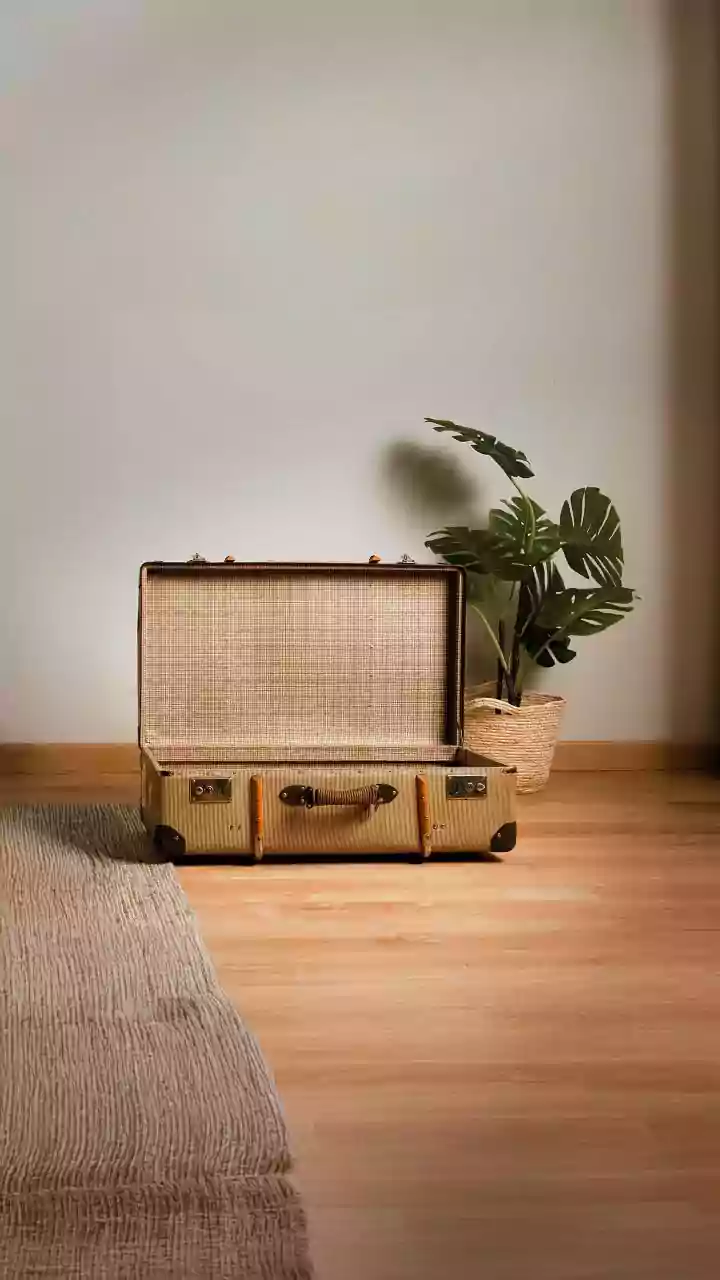
Scouring local markets and online platforms for second-hand or vintage pieces has become a passion for many. This isn't just about budget-consciousness; it's about the thrill of the hunt and the character that older pieces bring. A vintage armchair, a weathered wooden chest, or a retro lamp adds a layer of history and texture that mass-produced items lack. This trend is driven by a desire for quality and durability, with many choosing solid wood pieces from the past over modern particleboard furniture. These finds are often one-of-a-kind, ensuring a home doesn't look like anyone else's. Upcycling and restoring these finds has also become a popular way to breathe new life into discarded items, turning them into unique focal points that tell a story.
Weaving a Narrative with Heirlooms
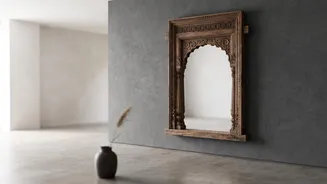
Perhaps the most personal trend is the integration of family heirlooms into modern homes. That sturdy teak bookshelf that belonged to a grandfather, a dowry chest used as a coffee table, or a colonial-era chair passed down through generations are more than just furniture; they are tangible links to the past. These items bring an emotive value that new furniture simply cannot replicate. Designers note that such pieces serve as the 'soul' of a home, grounding contemporary spaces in family history and personal narrative. The key is to blend these heritage pieces with modern comforts, allowing them to shine without making the home feel like a museum. A single, meaningful heirloom can anchor an entire room, creating a powerful sense of continuity and belonging.
A Sustainable and Conscious Choice
This shift towards personal and pre-loved furniture aligns perfectly with a growing global consciousness around sustainability. Choosing to restore an old piece, buy second-hand, or repurpose an item is an inherently eco-friendly act that reduces waste and the demand for new resources. Many younger homeowners are increasingly uncomfortable with 'fast interiors'—the idea of constantly changing entire rooms based on fleeting trends. Instead, they prefer to invest in fewer, better pieces that are built to last. This 'slow interiors' mindset values durability and repairability, seeing furniture as a long-term commitment rather than a disposable good. India, with its rich history of local crafts and durable materials like teak and rosewood, is perfectly positioned for this sustainable design philosophy.
Curating a Home, Not Just Decorating
Ultimately, mixing vintage finds, modern pieces, and family heirlooms is about curating a space that is a true reflection of self. The process is more personal and less about following a prescribed style. The result is a home where every object has a reason for being there, whether for its beauty, function, or the memory it holds. Designers suggest an 80/20 rule, where 80 per cent of the furniture can be modern and functional, while 20 per cent is antique or personal, providing character and contrast. This balance ensures the home remains comfortable and current while feeling rich with history. The goal is no longer a perfect room, but an interesting one—full of contradictions, memories, and stories, just like the people who live in it.