





What Exactly Is a Freestanding Larder?
A freestanding larder, or pantry cabinet, is a standalone piece of furniture designed for food storage. Unlike built-in pantries that are integrated into the kitchen's cabinetry, a freestanding larder can be added to any kitchen with available floor space.
Historically, larders were cool rooms used to preserve perishable foods like meat and dairy before refrigeration became common. The name itself comes from the practice of preserving meat in lard. Today's versions are no longer just for preservation but are sophisticated storage hubs for everything from dry goods and spices to small appliances, helping to keep countertops clear and calm.
A Classic Solution for Modern Problems
The return of the freestanding larder is driven by a desire for a more flexible, characterful kitchen. As homes move away from strictly uniform, fitted designs, standalone pieces add personality and a sense of a collected, lived-in space. For renters or those who move frequently, a freestanding larder is a practical investment that can come with them to their next home. This trend combines a touch of nostalgia with immense practicality, solving the timeless issue of insufficient storage without the need to tear out existing cabinets or build new walls. It’s an accessible luxury that brings significant everyday functionality.
The Benefits of Standing Alone
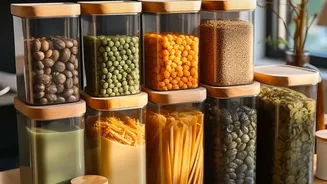
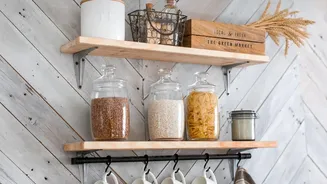
The most obvious benefit of a freestanding larder is the immediate addition of significant storage capacity, often utilizing vertical space effectively. But the advantages go beyond just space. By consolidating all your dry foods—from cereals and pastas to tins and spices—into one dedicated zone, it streamlines cooking and grocery planning. A well-designed larder keeps essentials organised and easily accessible. Furthermore, it acts as a 'clutter closet,' allowing you to hide away bulky appliances, extra tableware, or anything else you don't want on display, instantly making the entire kitchen feel larger and calmer.
How to Choose the Perfect Larder
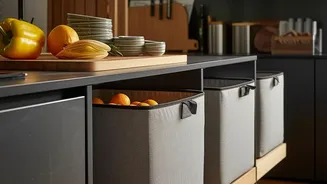
Selecting the right larder requires thinking about more than just its dimensions. Start by assessing your specific storage needs. Are you looking to store bulk food items, hide a microwave, or create a dedicated baking station? Make a list of what you want to store to determine the ideal internal configuration. Look for a mix of adjustable shelves, deep drawers, and door-mounted spice racks. Consider the unit's style and material. A larder can either be painted to blend seamlessly with your existing cabinets or finished in a contrasting colour or natural wood to become a statement focal point. Ensure the proportions are balanced with the room so it doesn't feel overwhelming.
Integrating It Into Your Kitchen
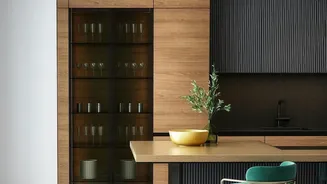
Placement is key to making a freestanding piece work. Consider the kitchen's flow; the larder should be convenient but not obstructive. Placing it near your primary food preparation area makes grabbing ingredients easy. Awkward corners or a blank wall opposite your main cabinetry can be ideal spots. Don't be afraid to mix this traditional piece with a modern kitchen. The contrast can create a unique, eclectic look. The goal is for the larder to feel like an intentional piece of furniture that enhances the room's character, rather than an afterthought.