






Why a Tidy Counter Isn't Enough
You’ve wiped every surface and the kitchen sparkles. But behind closed doors, chaos reigns. A disorganised pantry, an overflowing fridge, or a chaotic utensil drawer can undo your hard work in minutes. When items don't have a designated, accessible home,
they inevitably land on the counter, creating clutter. A true kitchen reset addresses the root of the problem: storage. By making a quick storage assessment part of your weekly routine, you shift from constantly tidying up symptoms to maintaining a truly organised system. This small addition prevents clutter from accumulating and makes daily kitchen tasks, from cooking to packing lunch, significantly less stressful.
The 5-Minute Storage Scan
Adding another major task to your reset can feel daunting, so start small. The goal isn't to reorganise your entire kitchen every week, but to perform a quick scan to identify problem spots before they escalate. A weekly check-in usually involves a quick scan of the refrigerator for old food. Extend this scan to your primary storage zones. Glance at your pantry shelves: are bags of chips half-open? Are cans hiding at the back? Peek into your main food cabinet and your Tupperware drawer. The point is not to fix everything at once, but to notice. This quick audit takes less than five minutes and builds the habit of being aware of your storage capacity and flow.
Apply the 'One-Touch' Rule
As you perform your reset, you’ll find items that are out of place. This is the perfect time to practice the 'One-Touch' rule, a productivity concept that applies beautifully to home organisation. The principle is simple: instead of putting an item down to deal with it later, put it away in its proper home immediately. Found spices on the counter? Don't just move them aside; put them back in the spice rack. That jar of peanut butter that never made it back to the pantry? Handle it once and put it away. This habit alone dramatically reduces the clutter that builds up during the week, as it stops messy piles from ever forming. It turns a reactive cleaning session into a proactive organising one.
Dealing With Common Clutter Hotspots
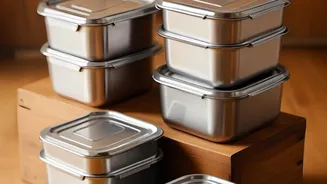
Certain areas are prone to disarray. During your weekly reset, pay special attention to one of these hotspots. One week, focus on food storage containers, matching lids to bases and recycling any that are broken or missing a partner. The next week, tackle the junk drawer, which everyone seems to have. Take just five to ten minutes to sort it. Other common offenders include duplicate utensils, excessive coffee mugs, and water bottles. You don’t need four can openers. Regularly and quickly weeding out these high-clutter zones makes a huge impact and keeps drawers and cabinets functional.
Build a System for Lasting Order
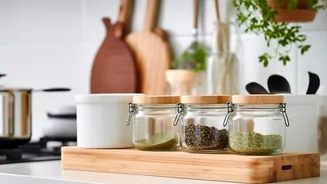
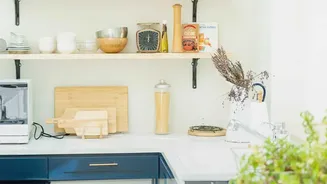
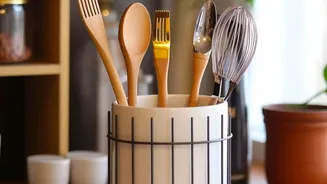
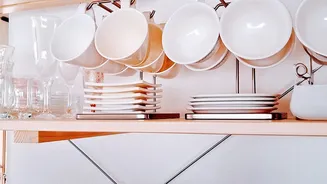
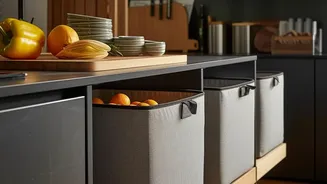
Your weekly scan will be far more effective if your kitchen is set up for success. This means investing a little time upfront to create a system. Use drawer dividers for utensils, shelf risers to double your vertical space in cabinets, and clear bins in the pantry to group similar items like baking supplies or snacks. Tiered shelves for spices or canned goods ensure you can see everything at a glance, preventing you from buying duplicates of items hidden in the back. Consider creating 'stations'—a coffee station with mugs and sugar nearby, or a prep station with cutting boards and knives. When everything has a logical home, the weekly reset becomes a simple process of putting things back where they belong, rather than a frustrating search for a place to shove them.