





The Golden Rule: Airtight Storage
The single most effective strategy against monsoon moisture is upgrading your storage. Humidity is the primary enemy, causing everything from spices to biscuits to spoil. During the rainy season, the air's moisture content rises significantly, accelerating
mould growth and pest infestation. Standard packets, loose-lidded jars, and twist-tied bags offer almost no protection. Before the rains set in, transfer your key staples into genuinely airtight containers. High-quality glass, steel, or BPA-free plastic containers with secure, sealing lids are your best defence. This simple, proactive step is more crucial than any other for protecting your food.
Protecting Pantry Staples: Grains and Flours
Grains like rice and dal, along with flours like atta and besan, are highly susceptible to moisture and pests like weevils during the monsoon. An open bag of flour that might last months in summer can spoil in just a few weeks. To extend their shelf life, consider lightly dry-roasting items like sooji (semolina) and daliya before storing them in airtight containers. For rice and pulses, adding a few dried bay leaves to the container can act as a natural pest repellent. Always ensure containers are completely dry before refilling, and avoid mixing a new batch with an old one.
The Spice Box Challenge: Keeping Masalas Fragrant
Humidity is the nemesis of a fragrant spice box, causing powders to clump, lose their aroma, and even develop a stale taste. The first line of defence is a collection of airtight glass jars. Secondly, change your habits around the stove. Avoid keeping your masala dabba near the cooking area, as steam is a major source of moisture. Never shake spices directly from the jar over a hot pot; instead, use a completely dry spoon to scoop out what you need. During the monsoon, it's also wise to buy spices in smaller quantities to ensure you're always using the freshest possible product.
Vegetables and Fruits: Winning the War on Wilting
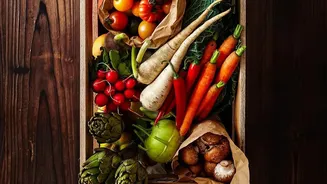
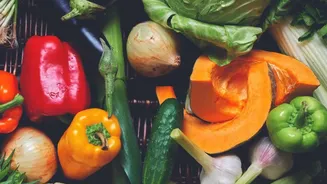
Fresh produce is especially vulnerable to rot and fungus in damp weather. A common mistake is washing vegetables before storing them; this excess moisture accelerates spoilage. It's best to wash them just before cooking. For leafy greens, wrap them in paper towels before placing them in a container or a breathable bag in the fridge; the paper absorbs excess moisture. Store vegetables in the refrigerator's crisper drawer, but don't overstuff it, as good air circulation is key. Some experts also recommend a quick soak in a water and vinegar solution to help inhibit fungal growth before patting them dry for storage.
Snacks and Biscuits: Preserving the Crunch
There's nothing more disappointing than a soggy biscuit. Crispy snacks like chips, namkeen, and biscuits lose their texture almost immediately when exposed to humid air. Once a packet is opened, its original packaging is no longer sufficient. Transfer them immediately to an airtight container. For extra protection, you can place a piece of tissue paper or a paper towel at the bottom of the container to absorb any sneaky moisture. Some traditional methods even suggest adding a few grains of raw rice to the container, which act as a natural desiccant. If your snacks do turn slightly soft, a few minutes in a hot oven or air fryer can often bring back their crispiness.
Special Care for Salt, Sugar, and Bread
Salt and sugar are notorious for clumping in the monsoon. Keeping them in strictly airtight jars is essential. Adding a few grains of rice or even some whole kidney beans to the salt shaker or jar can help absorb moisture and prevent caking. Bread is another monsoon casualty, often developing mould quickly. The best place to store it during this season is in the refrigerator, which significantly slows down mould growth. If you won't finish a loaf in a few days, consider freezing it and toasting slices as needed.