



Why Our Weather Is Tough on Houseplants
Most common houseplants, from the popular Monstera to the elegant Peace Lily, originate in tropical rainforests where humidity is consistently high. In India, our homes face two extremes. During winter, especially in the north, the air becomes very dry.
Heating systems, if used, reduce moisture even further. In the summer, while outdoor humidity can be high during the monsoon, the intense heat often leads us to use air conditioners, which also dry out the indoor air significantly. This low humidity causes plants to lose moisture from their leaves faster than their roots can absorb water. The tell-tale signs are often crispy, brown leaf tips and edges, wilting even when watered, and slower growth.
The Simple Solution: A Humidity Tray
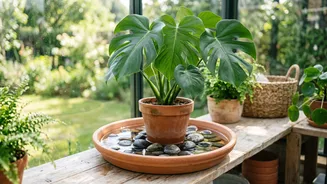
A humidity tray, also known as a pebble tray, is a wonderfully simple and effective way to create a humid microclimate around your plants. It consists of a shallow, waterproof tray filled with a layer of pebbles and water. The plant pot is then placed on top of the pebbles, ensuring it sits above the water line. As the water in the tray evaporates, it increases the moisture in the air directly surrounding the plant's foliage. This method provides a constant, gentle source of humidity, mimicking the plant's natural environment without needing an expensive electric humidifier.
How to Make Your Own in Minutes
Creating a humidity tray is a quick, easy, and affordable DIY project. All you need are three basic items: a shallow tray, a bag of pebbles, and water. 1. Choose a tray: Find a waterproof tray or dish that is wider than the base of your plant's pot. An old plate, a plant saucer, or a baking dish will work perfectly. 2. Add the pebbles: Fill the tray with a layer of small stones, pebbles, or even decorative glass beads. Rinse them first to keep the water clear. 3. Add water: Pour water into the tray until the level is just below the top of the pebbles. This is the most crucial step. 4. Place your plant: Set your potted plant directly on top of the pebbles. The pebbles will elevate the pot, preventing the roots from sitting in water, which can cause root rot. That's it. Your humidity tray is ready. Just be sure to top up the water every few days as it evaporates.
Which Plants Will Thank You?
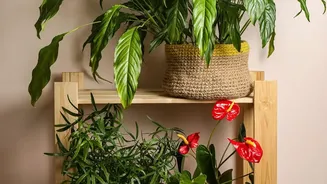
While most tropical plants will appreciate the extra moisture, some benefit more than others. These are typically plants with thin leaves or those native to the most humid jungle floors. Keep an eye out for signs of distress on these varieties in particular: Calatheas and Marantas (Prayer Plants): Known for their stunning foliage, they are also notorious for getting crispy edges in dry air. Ferns: Plants like the Boston Fern have delicate fronds that lose moisture quickly and thrive in high humidity. Alocasias (Elephant Ear): Their large, dramatic leaves require a humid environment to stay lush. Orchids and Bromeliads: As epiphytes, many absorb moisture through their aerial roots and appreciate the ambient humidity. * Peace Lilies and Anthuriums: These plants with glossy leaves and colourful spathes are happier with a moisture boost.
Tips for Success
To get the most out of your humidity tray, there are a few things to keep in mind. First, ensure the bottom of the pot is never touching the water directly; this will lead to waterlogged soil and root rot, defeating the purpose. Second, group several humidity-loving plants together. Plants release water through their leaves in a process called transpiration, and grouping them creates a larger, more stable pocket of humidity. Finally, clean the tray and pebbles every couple of weeks to prevent algae growth or pests. With these simple tips, you can effectively combat the challenges of India's climate and keep your indoor garden thriving.