


More Than Just a Few Potted Plants
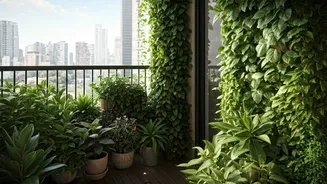
This isn’t your grandmother’s geranium in a terracotta pot. For a growing number of young homeowners and renters, the humble balcony is no longer a storage space for a rusty bicycle or a lonely folding chair. It’s a canvas for an ambitious project: the vertical
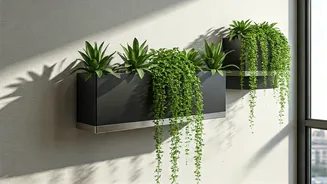
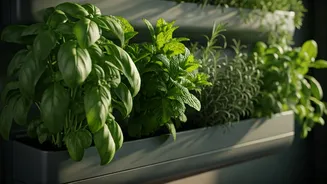
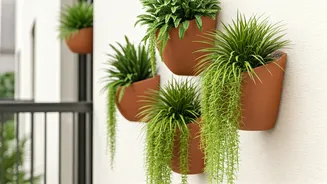
jungle. This trend goes beyond simple container gardening. It’s an exercise in maximalism, where every square inch of vertical and horizontal space is optimized for greenery. Think walls covered in trellised jasmine, ceilings dripping with string-of-pearls from hanging baskets, and railings lined with custom-built planter boxes overflowing with herbs and ornamental grasses. The goal isn't just to have plants; it's to be enveloped by them. The effect is immersive, creating a tiny, private ecosystem that feels miles away from the traffic below.
The Psychology of a Personal Oasis
What’s driving this green-thumb revolution? In part, it’s a direct response to the pressures of modern urban life. Psychologists and designers have long touted the concept of “biophilia”—the innate human tendency to seek connections with nature. After years of staring at screens in compact apartments, the desire for a tangible, living environment is stronger than ever. These balcony jungles serve as a vital mental health resource, a place to decompress, practice mindfulness, and engage in the simple, rewarding work of tending to something alive. For many young Americans who have delayed or been priced out of traditional homeownership with a yard, curating a lush balcony provides a powerful sense of control, accomplishment, and 'nesting' in the space they do have.
Solving the Small-Space Puzzle
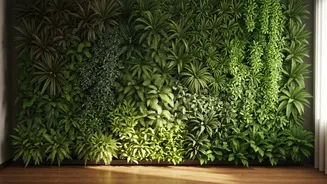
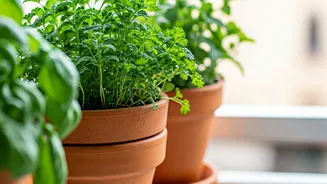
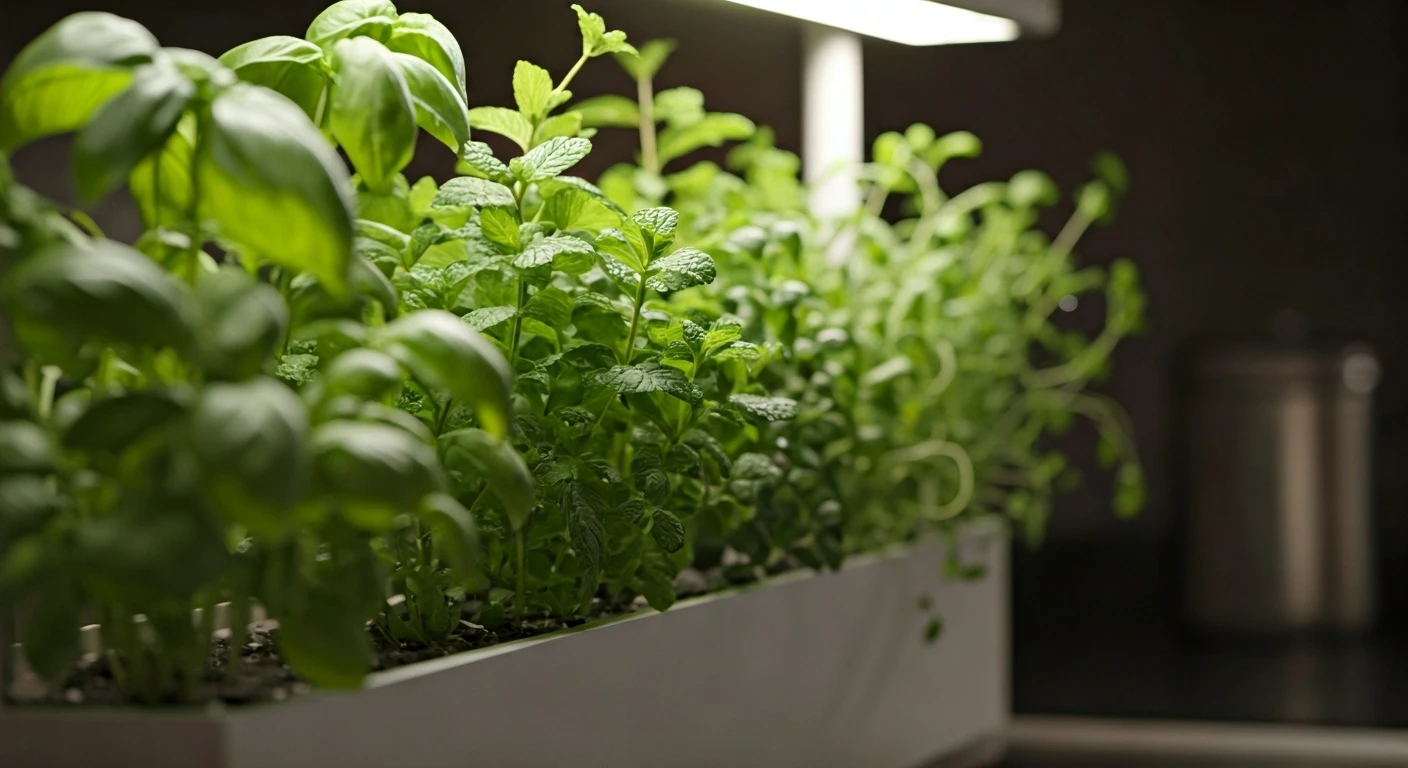
The ingenuity behind these spaces is as impressive as their beauty. Limited floor space has forced a shift in perspective—upward. Vertical gardening is the core principle, utilizing wall-mounted grids, tiered plant stands, and hanging rods to build layers of green. Plant selection is key, with a focus on species that are both hardy and space-efficient. Vining plants like pothos and philodendron are trained to climb walls, while compact edibles like lettuces, herbs, and cherry tomatoes are grown in stacked planters. Smart irrigation systems, like self-watering containers and drip lines on timers, solve the challenge of keeping dozens of plants hydrated without spending hours with a watering can. It's a blend of horticultural knowledge and clever spatial design, often shared and refined through online communities on Instagram, TikTok, and Pinterest.
A Generational Shift in Domesticity
Ultimately, the rise of the balcony jungle reflects a broader generational shift in what it means to create a home. Where previous generations might have prioritized a formal living room or a perfectly manicured lawn, many Millennials and Gen Zers are investing in experiences and personal wellness. A balcony that functions as a beautiful, productive, and restorative space aligns perfectly with these values. It’s a hobby that’s both aesthetic and sustainable, offering a small-scale way to connect with food systems and biodiversity. It’s also a deeply personal form of expression. Each jungle is unique, reflecting the creator’s taste, patience, and relationship with nature. In a world of digital ephemera and rented spaces, these living installations offer a sense of permanence and a daily reminder of growth.