

Why Your Breakfast Needs a Protein Boost
Many traditional breakfasts are heavy on carbohydrates, which can lead to a quick energy spike followed by a mid-morning crash. A high-protein breakfast, on the other hand, offers a wealth of benefits. It promotes satiety, helping you feel fuller for
longer and reducing the urge to snack. Protein is crucial for muscle health, helps regulate blood sugar levels, and provides sustained energy to keep you focused and productive throughout the morning. By starting your day with a substantial amount of protein, you set a foundation for better appetite control and more stable energy.
Meet the Power Players: Seeds
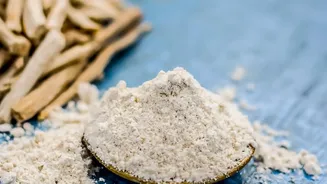
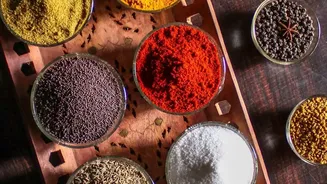
Seeds are nutritional powerhouses, packed with protein, healthy fats, fibre, vitamins, and minerals. When ground into a fine powder, their nutrients become more easily absorbed by the body. This powder can be seamlessly mixed into various dishes, from atta for rotis to, you guessed it, chilla batter. The best part is that different seeds offer unique benefits, so a blend can provide a wide spectrum of nutrients.
Your Guide to the Best Seeds
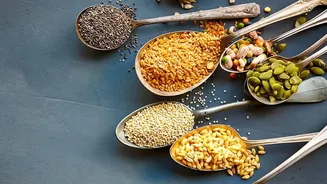
Creating your own high-protein blend is simple. Here are some of the top seeds to consider: - Hemp Seeds: The champion of plant-based protein, hemp seeds offer about 9.5 grams of protein per 28-gram serving. They are a complete protein, containing all nine essential amino acids. - Pumpkin Seeds (Pepitas): A close second, pumpkin seeds provide around 8.5 grams of protein per serving and are also a fantastic source of magnesium and zinc. - Sunflower Seeds: These common seeds are not to be underestimated, with about 7 grams of protein per serving and a high concentration of Vitamin E. - Flax Seeds: Known for their high fibre and omega-3 fatty acid content, flax seeds also contribute about 5 grams of protein per serving. They must be ground to unlock their full nutritional benefits. - Chia Seeds: Similar to flax, chia seeds offer about 5 grams of protein and are exceptionally high in soluble fibre, which aids in digestion and promotes fullness.
How to Make and Use Seed Powder
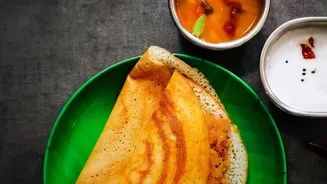
Making your own seed powder is incredibly easy. You can lightly dry-roast seeds like pumpkin and sunflower on a low flame for a few minutes until fragrant, which enhances their nutty flavour. Let them cool completely. Seeds like hemp, chia, and flax can be used raw. Combine your chosen seeds and grind them in a mixer grinder using short pulses until you achieve a fine or coarse powder. Be careful not to over-grind, or the natural oils will turn it into a paste. Store the powder in an airtight container in the refrigerator for up to a week to maintain freshness. To transform your chilla, simply add one to two tablespoons of this seed powder per cup of besan (gram flour) or moong dal batter. A standard besan chilla has about 4-7 grams of protein per piece. Adding a 28-gram serving of a mixed seed powder can easily double that amount, turning a light breakfast into a substantial, muscle-supporting meal.
More Than Just a Chilla Upgrade
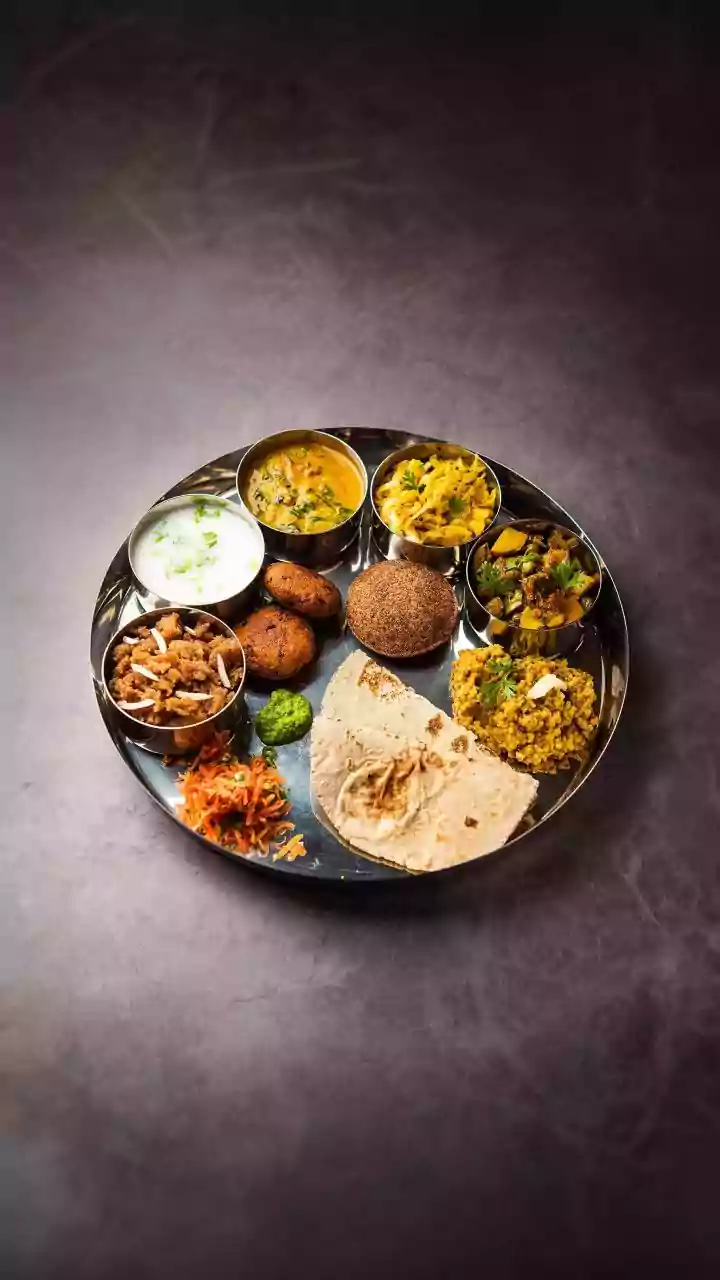
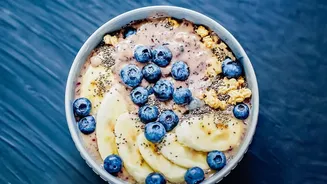
While seed powder is a fantastic addition to chilla batter, its versatility doesn’t end there. The term "meal swap" or "meal replacement" implies creating a nutritionally complete meal. While protein powder alone isn't a full meal replacement, incorporating it into a balanced dish moves you in that direction. You can stir your homemade seed powder into oatmeal or dahi, blend it into smoothies, sprinkle it over salads and cooked vegetables, or even mix it into dals and curries just before serving. Each spoonful adds a boost of protein, healthy fats, and fibre, making it an effortless way to enhance the nutritional value of almost any dish.