

From Monuments to Moments
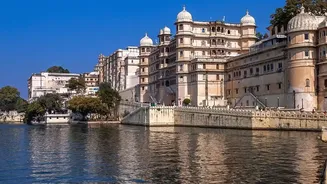
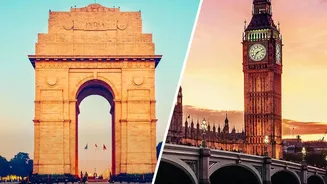
For decades, tourism in India followed a predictable pattern: the Golden Triangle, the beaches of Goa, the backwaters of Kerala. These were bucket-list destinations, promising iconic photos and stories everyone recognised. But for Indian travellers born
between the late 1990s and early 2010s, this checklist approach is losing its charm. A recent Airbnb report found that 80% of this generation values small, personal moments over famous attractions. They are less interested in queuing for a photo and more focused on discovering a hidden cafe, trekking an unmarked trail, or simply enjoying uninterrupted time with friends. This signals a major shift from sightseeing to 'sense-making', where the goal of travel is to feel a personal connection to a place, not just to see it.
The Search for Authenticity
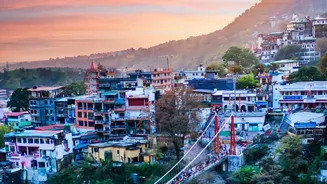
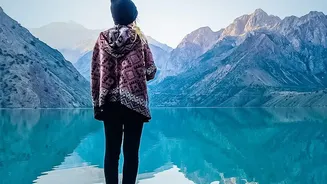
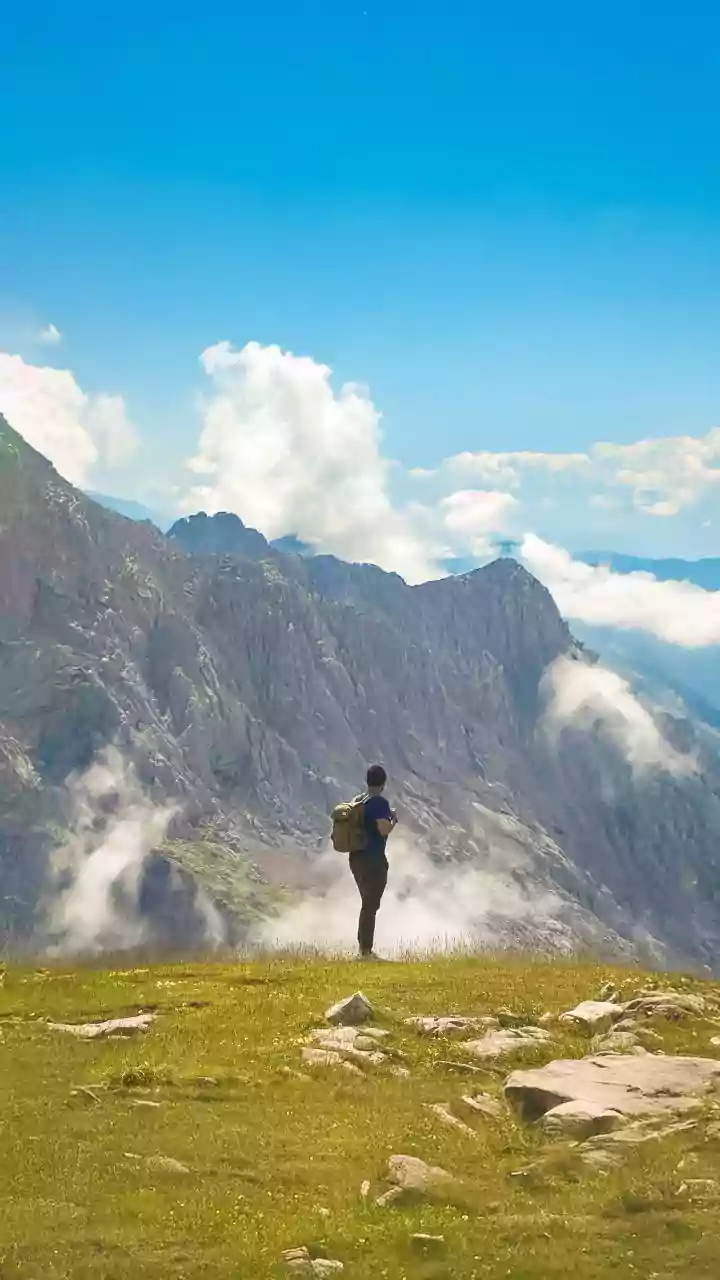
At the heart of this trend is a deep-seated desire for authenticity. Gen Z travellers are deliberately choosing lesser-known locales where they can have genuine, immersive encounters. Think homestays in remote villages over five-star hotels, or learning a local recipe instead of fine dining. Destinations like Gokarna are preferred over Goa for their manageable crowds and unpretentious vibe, while hill stations like Jibhi and Kalga-Pulga are chosen over Shimla or Manali for their tranquil, unspoiled nature. This generation prioritises connecting with local culture through activities like community-based tourism, which offers a richer, more meaningful understanding of a destination's true essence. It’s a conscious move away from the curated and commercialised to embrace the real.
Budget-Savvy and Spontaneous
This new travel style is as much about pragmatism as it is about philosophy. As a budget-conscious generation, Gen Z gravitates toward cost-effective destinations. Offbeat locations typically offer more affordable accommodation, cheaper local food, and low-cost activities, allowing for more frequent travel. Instead of one long annual holiday, a majority of Gen Z travellers prefer taking multiple short trips throughout the year. This has led to the rise of the spontaneous weekend getaway, often booked just days or weeks in advance. Travel is no longer a once-a-year event but a regular habit, a way to escape burnout and the monotony of routine.
The Social Media Paradox
While the quest is for authenticity, social media plays a complex role. Instagram and YouTube are primary sources of inspiration, but not in the way you might think. Instead of promoting the same old hotspots, these platforms give visibility to visually striking, lesser-known destinations. A reel of a remote waterfall or a post about a quaint homestay can spark immediate interest. The goal is to find unique places that haven't been over-exposed online. This creates a paradoxical effect: the desire to find a place no one has posted about, and then to be the first one to post about it. It’s a hunt for unique content that steers travellers away from the mainstream.
A Shift Towards Mindful Travel
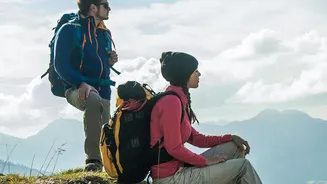
Beyond aesthetics and budgets, there is a growing consciousness about the impact of travel. Gen Z is more aware of issues like over-tourism and its environmental consequences. Many are actively seeking eco-friendly stays and experiences that support local economies. This generation shows a greater inclination to use public transport, support community-led tourism, and make choices that align with their values. Interestingly, this mindfulness extends to personal well-being, with a surprising surge in young travellers undertaking spiritual journeys to destinations like Rishikesh, Varanasi, and Ujjain. These trips are not just about religion, but about self-discovery, personal reflection, and finding a deeper connection—a theme that underlies their entire approach to travel.