







Decoding the 9% Growth
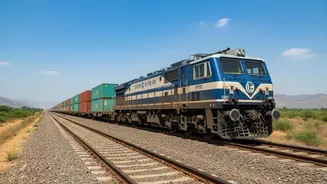
On the surface, the numbers are impressive. In July 2026, Indian Railways transported 141.3 million tonnes (mt) of goods, a significant rise from the 129.7 mt moved in the same month last year. This nine percent jump wasn't just a marginal gain; it was powered
by double-digit growth across several crucial sectors. Iron ore loading surged by a remarkable 22.2%, while coal, foodgrains, and fertilisers all saw increases of over 11%. This broad-based growth points to strong demand from the infrastructure, manufacturing, and agricultural sectors, painting a picture of a healthy, active economy. The increase also translated into an 8% rise in freight revenue for the month, adding ₹1,137 crore to the railways' earnings compared to July 2025.
The Engines of Momentum
So, what's driving this surge? A key factor is the heightened demand for coal. With thermal power plants ramping up operations, Indian Railways increased its domestic coal supply to these plants by 20% in July compared to the previous year. Coal and iron ore together form the bedrock of railway freight, accounting for over 60% of the total basket. The strong performance in these areas, coupled with growth in fertilisers for agriculture and other goods for manufacturing, shows a synchronised uptick in core economic activities. This performance is also notable because freight volumes typically see a dip during monsoon months. While there was a slight sequential decline from June 2026, the year-on-year growth remained exceptionally strong, suggesting underlying resilience in industrial and mining operations.
The Capacity Conundrum
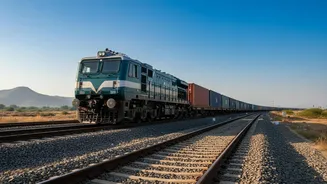
This robust growth naturally raises a critical question: how is the railway network coping? This is where reading rail-capacity use becomes essential. The growth isn't just happening on its own; it's enabled by massive infrastructure upgrades, most notably the Dedicated Freight Corridors (DFCs). These freight-only railway lines are designed to move goods faster and more efficiently by separating them from passenger traffic. In July 2026, the DFC Corporation (DFCCIL) reported its highest-ever monthly performance, with a key metric for network utilisation, Gross Tonne Kilometres, growing by nearly 22% year-on-year. This indicates that the DFCs are not only handling more traffic but are also enabling the movement of heavier trains over longer distances, significantly boosting overall capacity. By allowing freight trains to run at higher speeds (60-100 km/h on DFCs versus 25 km/h on conventional lines), the corridors are dramatically reducing transit times and improving reliability.
A Barometer for the Economy
Ultimately, railway freight statistics are a powerful real-time indicator of the nation's economic health. The increased movement of coal, iron ore, cement, and steel points directly to activity in power generation, construction, and manufacturing. The rise in foodgrain and fertiliser transport reflects the pulse of the agricultural sector. The strong July numbers, therefore, aren't just a victory for Indian Railways but a positive signal for the broader economy. They demonstrate that the massive investments in infrastructure like the DFCs are paying off, creating a more efficient logistics backbone that can support industrial growth. This system allows for faster movement of raw materials to factories and finished goods to markets, lowering costs and making Indian industries more competitive.