


The Gut's Delicate Balance
Antibiotics are medical marvels, but they often act as a blunt instrument. In their mission to kill harmful bacteria causing an infection, they frequently wipe out the beneficial bacteria living in our gut as well. This community of trillions of microbes,
known as the gut microbiome, is essential for digestion, immune function, and overall health. Disrupting this delicate ecosystem can lead to common side effects like diarrhoea and an increased risk of secondary infections. This is because when the diversity of helpful bacteria is reduced, it creates an opportunity for more resilient, and sometimes harmful, microbes to dominate.
The Sugar and Antibiotic Connection
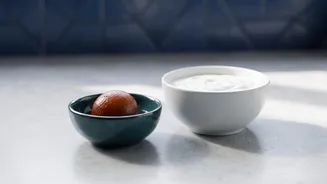
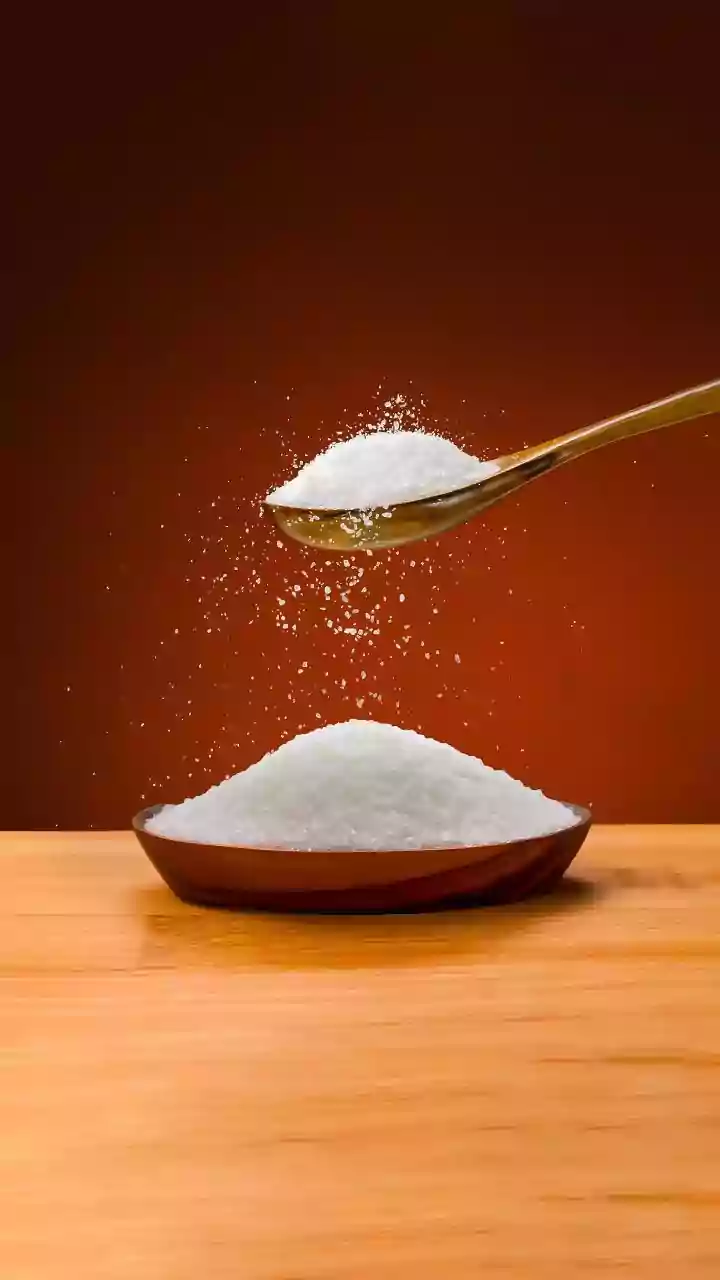
A significant new study published on September 30, 2026, has shed light on how specific dietary choices can worsen this antibiotic-induced damage. Researchers from institutions including City of Hope and NYU Langone Health meticulously tracked the diets of hospitalised cancer patients undergoing antibiotic treatment. Their findings, published in the journal Nature, were striking: eating sugary foods and drinks while on antibiotics dramatically amplified the damage to the gut microbiome. For every 100 grams of sugar consumed, which is equivalent to a large milkshake, patients experienced an additional 21% to 24% drop in the diversity of their gut bacteria. This combination also led to a bloom of the potentially dangerous bacterial species Enterococcus faecium, which is linked to hard-to-treat infections.
Why Sugar Fuels the Problem
The researchers theorise that simple sugars act as a fuel source for the less desirable bacteria that manage to survive the initial antibiotic onslaught. This allows them to thrive and multiply, further disrupting the gut's balance. Experiments in mice confirmed the findings from the human study. Mice given antibiotics along with a high-sucrose diet saw a rapid overgrowth of Enterococcus bacteria in their guts, a pattern that didn't occur in mice who ate a high-sugar diet without antibiotics. This suggests it is the specific combination of antibiotics and high sugar intake that creates a toxic environment for a healthy microbiome. Interestingly, this research builds on earlier findings that Western diets, typically high in fat and sugar and low in fibre, can increase antibiotic resistance genes within the gut even without antibiotic exposure.
Your Plate as a Partner in Healing
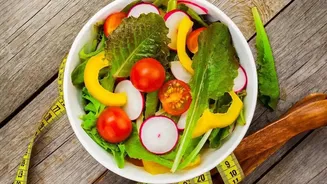
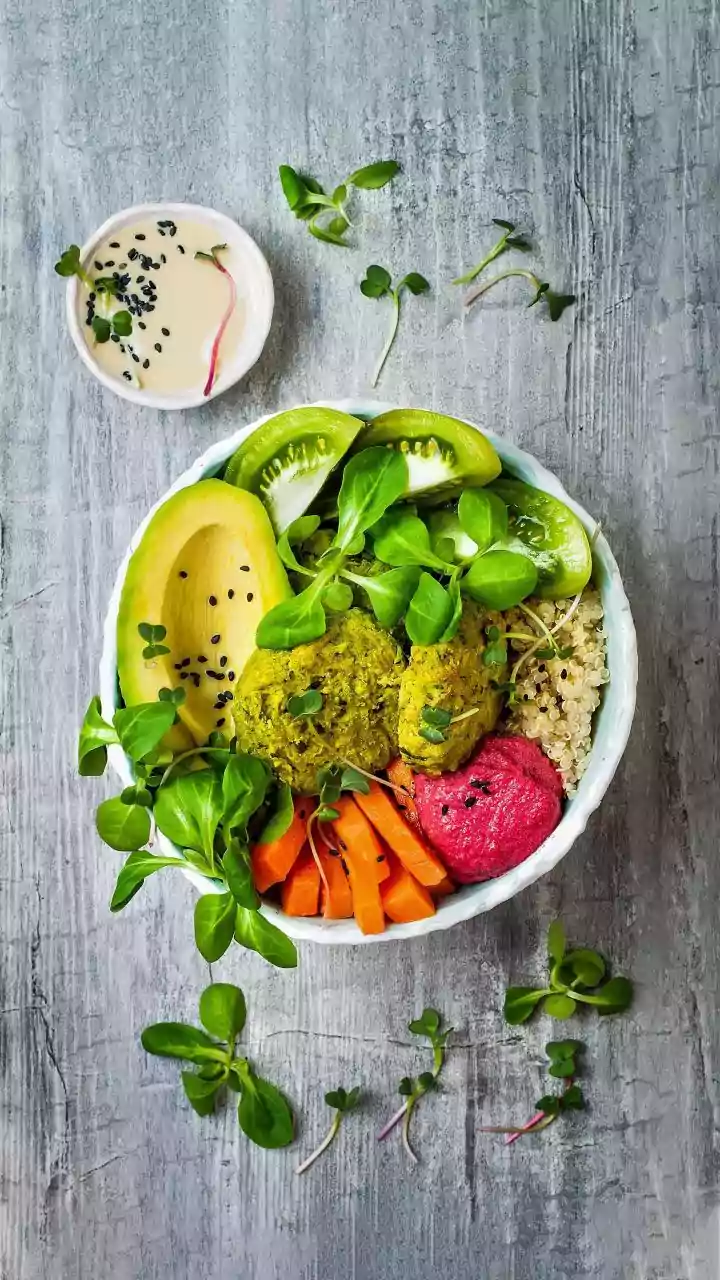
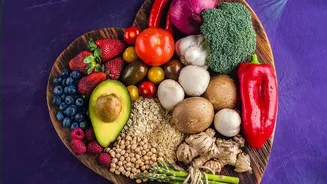
This emerging science points towards a new paradigm of 'food as medicine' during antibiotic treatment. While avoiding sugary foods appears to be a key defensive strategy, other dietary choices can actively help your gut recover. Experts recommend focusing on fibre-rich and fermented foods after completing a course of antibiotics. Fibre from sources like whole grains, fruits, and vegetables acts as a prebiotic, feeding the beneficial bacteria you want to encourage. Fermented foods like yogurt, kimchi, and kefir are probiotics, introducing live, healthy bacteria directly into your system. Eating a diverse range of these plant-based and fermented foods can help restore the microbial diversity that antibiotics may have depleted, supporting a faster and more robust recovery.