


The Spirit of the Sadya
Onam, which culminates with the main day of Thiruvonam on August 26, 2026, celebrates the annual homecoming of the mythical King Mahabali. The Sadya (meaning 'banquet' in Malayalam) is a lavish, purely vegetarian meal served on a banana leaf to honour
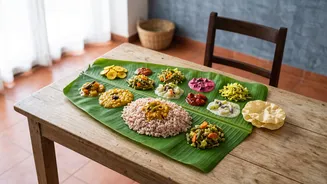
him. It symbolises prosperity, togetherness, and Kerala's rich agricultural heritage. A traditional Sadya can have anywhere from 24 to over 60 dishes, carefully arranged to balance the six fundamental flavours: sweet, sour, salty, pungent, bitter, and astringent. But for your first attempt, the goal isn't to make everything; it's to capture the festive spirit.
A Manageable Menu for Beginners
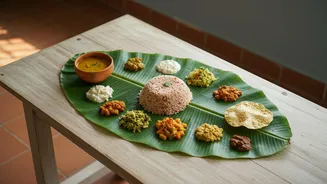
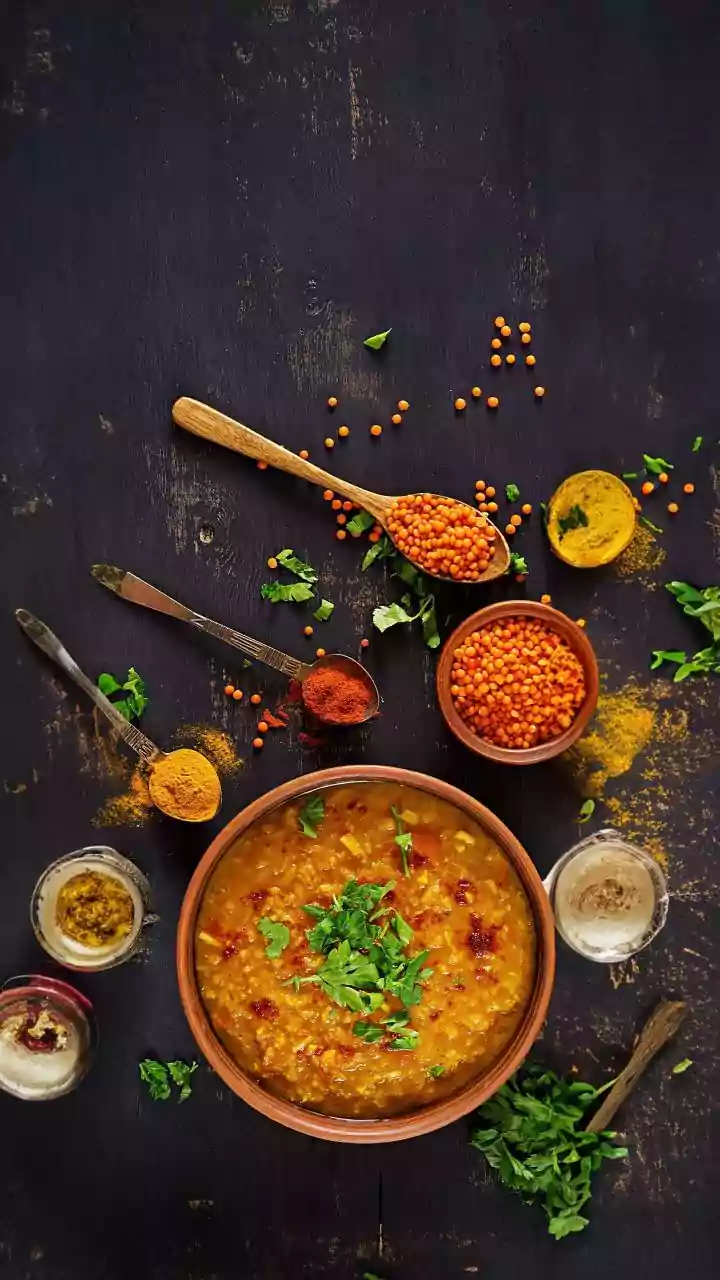
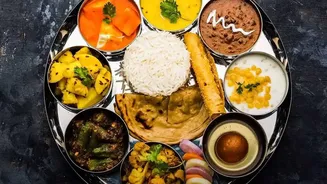
Instead of tackling 26 dishes, focus on a core menu that delivers the authentic Sadya experience. A spread of nine essential items is impressive and achievable. Start with Kerala Matta Rice, a distinct reddish-brown rice that forms the foundation. For your main curries, choose Parippu (a simple moong dal curry), Sambar (a vegetable and lentil stew), and Rasam (a tangy, peppery broth). For the vegetable sides, Avial (mixed vegetables in a coconut-yoghurt base) and a simple Thoran (stir-fried vegetables with coconut) are non-negotiable. Add a Pachadi (a yoghurt-based side) for a cooling contrast. Round out the meal with Pappadam, banana chips, and a pickle like Puli Inji (a sweet and sour ginger-tamarind chutney).
Your Two-Day Cooking Plan
The secret to a stress-free Sadya is planning. Don't try to cook everything on Thiruvonam morning. Two days before, finalise your menu and do all your grocery shopping. One day before is for prep: wash and chop all the vegetables for your dishes—Avial, Sambar, Thoran—and store them in separate containers in the fridge. You can also grate the coconut needed for various pastes and curries. Many pickles and chutneys, like Puli Inji, can be made entirely in advance, as their flavours improve overnight.
Onam Day: A Step-by-Step Guide
On the morning of the feast, focus on assembly and cooking. Start with the dishes that take the longest. Put the lentils for Sambar and Parippu on to boil. While they cook, prepare the vegetable components for your sides. Most dishes like Thoran and Pachadi come together quickly. Avial, a signature dish, involves cooking mixed vegetables and combining them with a ground coconut paste. The final step is preparing the tempering (frying spices, chillies, and curry leaves in oil or ghee) for dishes like Parippu and Sambar, which should be done just before serving to maximise aroma and flavour. Cook the rice last so it’s hot and fresh when you serve.
The Sweet Finale: Payasam
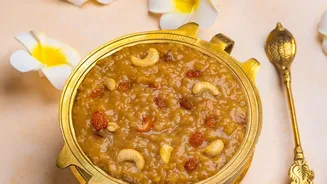
No Sadya is complete without Payasam, a sweet pudding that serves as dessert. While traditional options like Ada Pradhaman are delicious, they can be complex. For a beginner, Semiya Payasam (vermicelli pudding) is a perfect choice. It's quick, easy, and loved by all. Simply roast vermicelli in ghee, cook it in milk until soft, and sweeten with sugar or condensed milk. A final garnish of ghee-fried cashews and raisins makes it a festive treat. The Payasam is typically served near the end of the meal, sometimes poured directly onto the banana leaf.
The Art of Serving
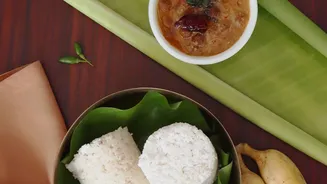
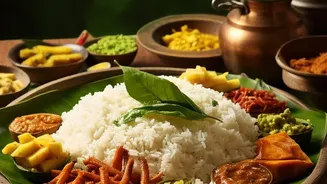
Serving the Sadya is a ritual in itself. The banana leaf is placed with its narrow tip pointing to the left of the guest. Accompaniments like pickles and chips are served on the upper half of the leaf. The rice is served in the bottom centre, creating a space for the curries to be poured over it. The first course is always rice with Parippu curry and a spoonful of ghee. This is followed by Sambar, and then the other dishes are enjoyed by mixing them with the rice. The meal traditionally concludes with a glass of spiced buttermilk called Sambharam to aid digestion.