




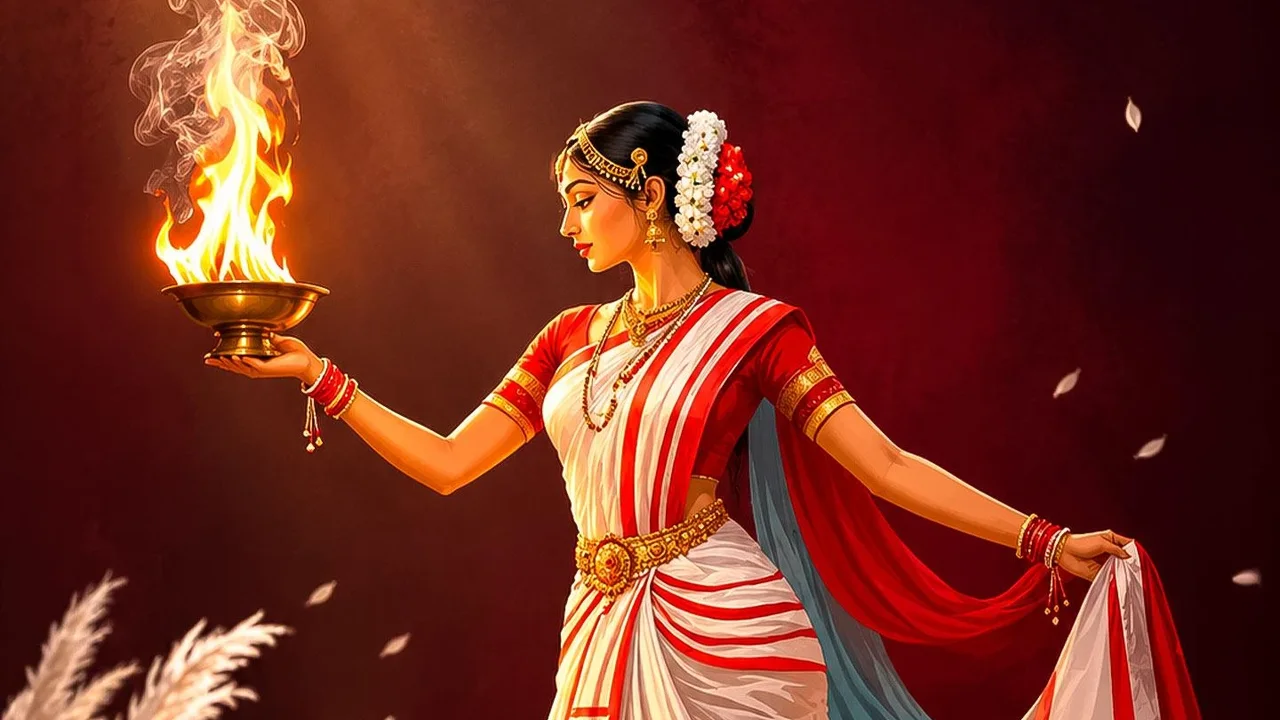

A Festival for the Senses
Durga Puja is more than just a religious festival; it is an emotion that engulfs Bengal in a five-day spectacle of art, culture, and community. While savoury foods have their place, it is the sweets, or 'mishti', that truly steal the spotlight. For Bengalis,
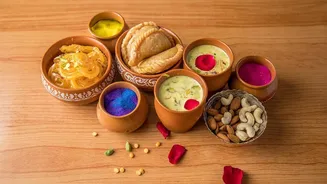
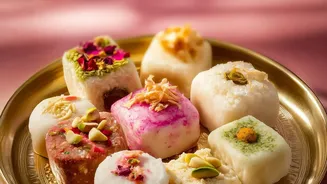
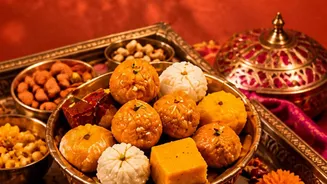
sweets are not just a dessert but a language of celebration, auspiciousness, and affection. From a baby being born to a promotion at work, every good occasion is marked by 'mishti'. During Durga Puja, this tradition is amplified tenfold. The festival runs on a delightful combination of sugar, milk, and 'chhena' (fresh cottage cheese), the foundation of most iconic Bengali sweets. Sweet shops, from the grand heritage establishments to the humble neighbourhood stores, work around the clock, their glass counters laden with an astonishing variety of colourful and fragrant creations.
An Offering of Devotion
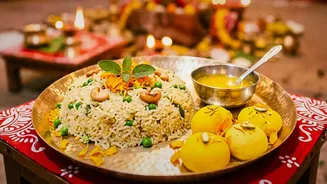
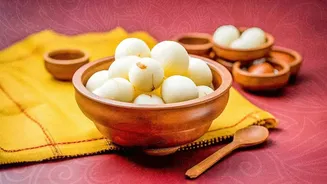
At the heart of the demand for sweets is the tradition of 'bhog' — the food offered to Goddess Durga. Sweets hold a sacred place in worship, offered to the deity as 'prasad' to symbolize devotion, purity, and gratitude. It is a common belief that the Goddess has a sweet tooth, making these offerings a way to seek her blessings. Sweets like Rosogolla are considered 'sattvik' (pure) and are ideal for 'prasad'. Other popular offerings include Sandesh, Narkel Naru (coconut laddoos), and Payesh (a creamy rice pudding). After being offered to the deity, this 'bhog' is distributed among devotees, fostering a divine connection and a sense of community. The act of preparing and offering 'mishti' is in itself an act of worship, filling homes and pandals with a sacred sweetness.
The Currency of Social Connection
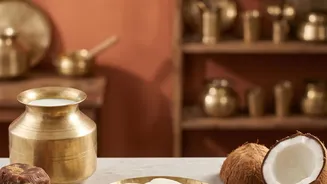
Durga Puja is a time for homecoming and socialising. Families and friends engage in 'pandal hopping' and visit each other's homes to share greetings. In Bengali culture, one never visits empty-handed, and a box of sweets is the quintessential gift. This gesture, known as 'mishti mukh' (sweetening the mouth), is a symbol of warmth, respect, and shared joy. Sharing sweets is as much a part of the culture as the cravings themselves. Classic choices for gifting include Sandesh, with its many delicate varieties, and Rosogolla. For many, bringing home a 'bhnar' (earthen pot) of Mishti Doi (sweet yogurt) is an indispensable part of the festive shopping. These exchanges strengthen social bonds and ensure that the spirit of the festival is, quite literally, sweet.
A Sweet Economic Boom
The cultural significance of sweets translates into a massive economic phenomenon. The Durga Puja economy in West Bengal is a multi-crore-rupee affair, and the food and beverage sector is a major beneficiary. Sweet shops see a dramatic surge in sales, often preparing for weeks in advance and hiring extra staff to cope with the demand. The festival sustains countless artisans, craftsmen, and small businesses for months. The entire supply chain, from milk producers and sugar suppliers to the skilled 'moiras' (sweet makers), experiences a significant uplift. The multiplier effect is substantial; every rupee spent on sweets circulates through the local economy, supporting various interconnected livelihoods. This festive demand is a critical annual boost for the state's sweet industry, reaffirming its central role in both the cultural and economic fabric of Bengal.