






Mastering Hostel Bookings Online
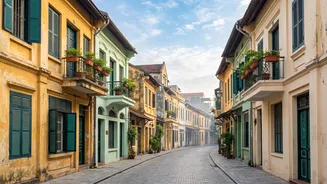
Your first step to finding cheap accommodation should be a digital one. Platforms like Agoda, Booking.com, and Hostelworld are essential tools for any traveller in Vietnam. Agoda is often cited by long-term travellers as having a wider selection and sometimes
better prices in Southeast Asia. These apps allow you to compare prices, read recent reviews, and check locations at a glance. A dorm bed in a major city can range from around $5 to $14 per night. For the lowest prices, look for hostels slightly outside the main tourist centres. A common strategy is to book your first night or two online and, if you like the place, negotiate a better rate directly with the hostel for a longer stay. Walk-in rates are often lower than online prices, especially during the low season.
Navigating the Bus Network
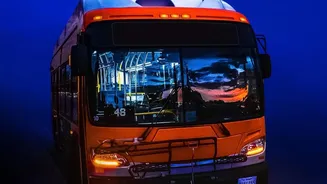
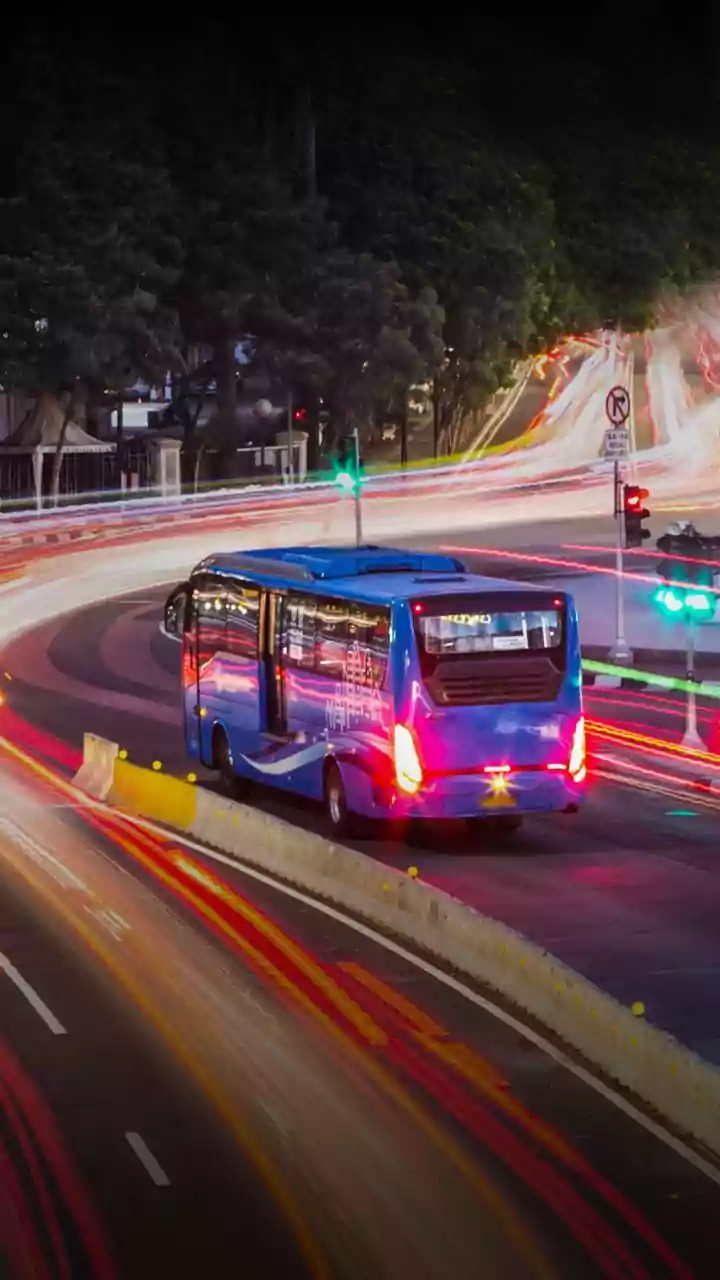
Vietnam’s bus system is extensive and the most cost-effective way to travel long distances. Sleeper buses, which operate on overnight routes between major hubs like Hanoi, Hue, and Ho Chi Minh City, are a popular choice, with journeys costing between $10 and $16. For booking, online platforms are the most convenient option. Websites and apps like 12Go Asia, Baolau, and Vexere are reliable for comparing operators and reading reviews from other travellers. You can also book tickets through most hostels or directly at the bus station, which can sometimes be the cheapest method. When booking, be sure to confirm the exact pickup point, as larger cities may have multiple bus stations.
The Right Apps Make All the Difference
Beyond accommodation and long-haul transport, a few key apps will save you money and hassle. Grab is the undisputed leader for ride-hailing in Vietnam, offering upfront pricing for car and motorbike taxis that helps you avoid fare negotiations. It is an essential tool for getting around cities affordably. For booking tours and activities, Klook is a popular app that often provides discounts on entrance tickets, which can be redeemed instantly with a QR code on your phone. Finally, before you do anything, ensure you have reliable data. Getting a local SIM card from providers like Viettel or Vinaphone is inexpensive and crucial for using these apps on the go.
Timing, Flexibility, and Local Knowledge
Your travel dates significantly impact costs. The high season generally runs from November to April, and prices for accommodation and transport will be higher. Travelling during the shoulder or low seasons (like May to September) can lead to significant savings. While booking main routes in advance is wise during peak times like the Tet holiday, being flexible can also pay off. Don't be afraid to eat like a local; street food stalls offer delicious and filling meals for just a couple of dollars. Learning a few words of Vietnamese and approaching bargaining with a friendly attitude can also go a long way in ensuring you get a fair price.
Avoiding Common Scams
While Vietnam is a very safe country, opportunistic scams targeting tourists do exist. For transport, always use reputable ride-hailing apps like Grab to avoid taxi meter manipulation or inflated fares from unofficial operators. When booking buses, stick to well-known online platforms or buy directly from the official ticket counter at the station to avoid touts. Some hostels may have misleading photos, so it's important to read recent reviews on multiple platforms before booking. Filtering for newly renovated properties can also help you find quality stays. Always be clear about what is included in your booking to avoid unexpected charges.