

The Search for a Healthier Start
A significant driver of this shift is a growing consciousness around health and wellness. For years, heavily marketed Western breakfast options like sugary cereals were positioned as the modern, convenient choice. However, consumers are now more aware
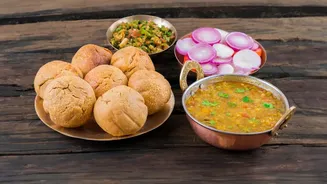
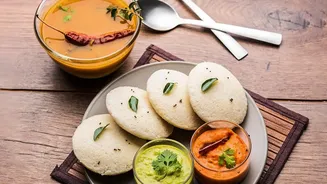
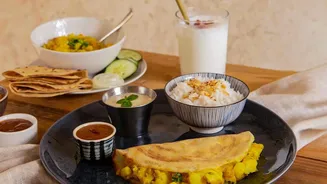
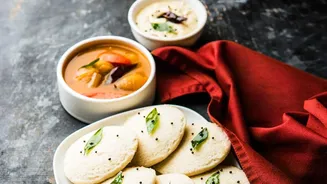
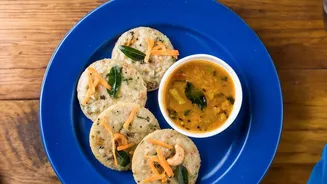
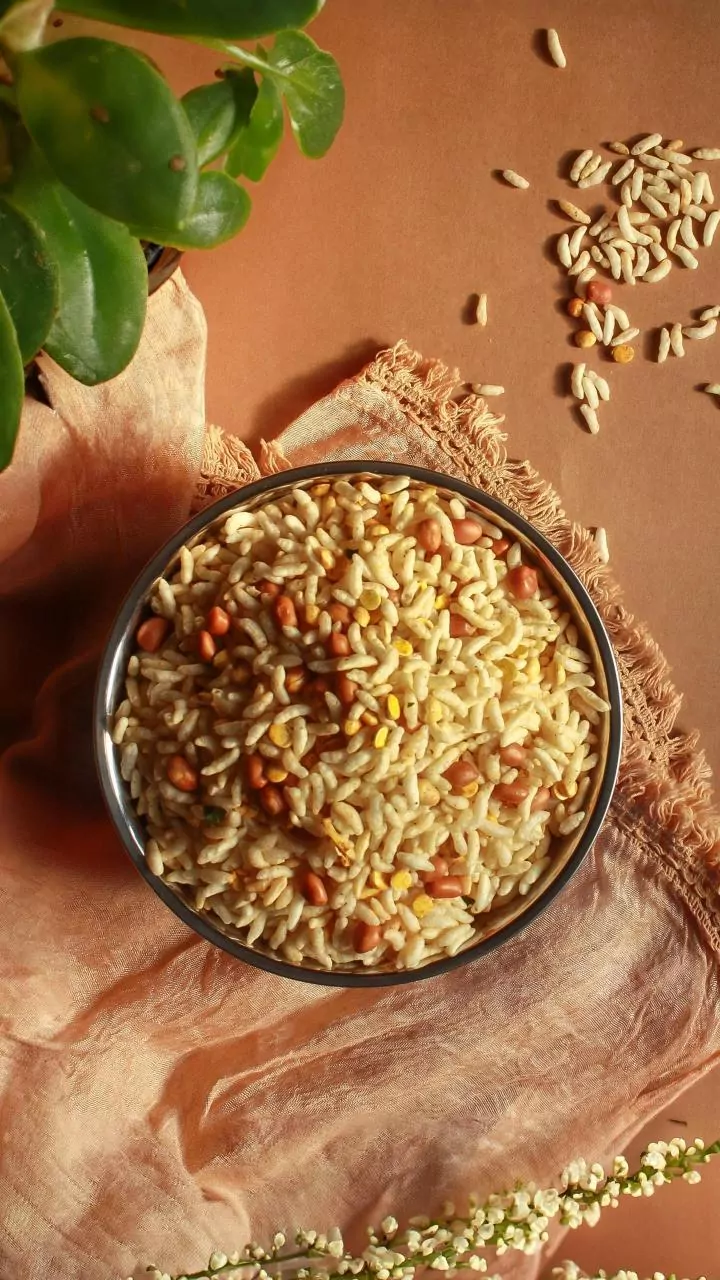
of their nutritional shortcomings, such as being high in refined carbohydrates and sugars, which can lead to energy crashes. In contrast, many traditional Indian breakfasts are celebrated for their balanced nutrition. Dishes like idli and dosa, made from fermented batter, are light, digestible, and rich in probiotics. Upma and poha offer complex carbohydrates for sustained energy, while additions like vegetables and spices provide fiber and antioxidants. This return to whole, unprocessed ingredients aligns with a broader movement toward mindful eating and embracing the wisdom of age-old dietary practices.
A Serving of Nostalgia and Identity
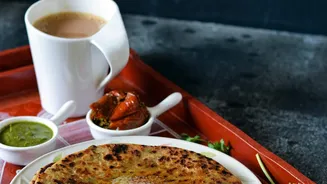
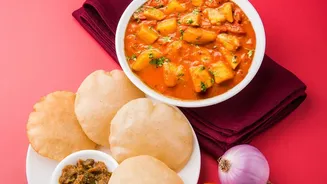
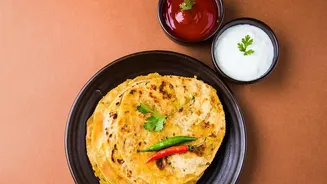
For millions of Indians living in cities far from their hometowns, food is a powerful emotional anchor. Traditional breakfasts offer a comforting taste of home and a connection to childhood memories. In a fast-paced, often impersonal urban environment, a familiar dish like a hot paratha or a plate of pongal provides a sense of grounding and identity. This emotional resonance is a key factor, especially for millennials and Gen Z, who are exploring their cultural roots. Brands and food entrepreneurs have recognized this, using nostalgia as a powerful marketing tool that links food to a sense of authenticity, trust, and belonging. It’s not just about eating; it’s about feeling connected to one's heritage, one plate at a time.
The New Kitchens Powering the Trend
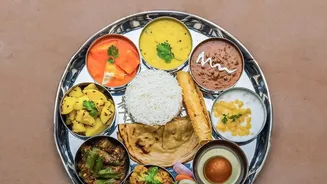
The revival wouldn't be possible without a new wave of food entrepreneurs making these traditional meals more accessible than ever. The rise of cloud kitchens and home chefs has been a game-changer. These delivery-only models have low overhead costs, allowing small-scale operators and home cooks—many of them women—to turn their culinary skills into businesses. They specialize in regional cuisines that were previously hard to find outside of home kitchens or specific communities. Through food delivery apps, a city dweller can now order authentic, freshly made regional breakfasts from a home chef specializing in anything from Bihari litti chokha to Tamil-style idiyappam, effectively bringing the diversity of India's breakfast traditions to their doorstep.
Convenience Without Compromise
While Western cereals promised speed, traditional breakfasts are proving they can be both quick and nourishing. A key reason for their resurgence is that they offer convenience without the feeling of consuming 'junk' food. Tiffin centers and local eateries have long perfected the art of serving fresh, hot dishes like idli and dosa in minutes. Now, cloud kitchens are applying modern logistics to this model, ensuring that a wholesome breakfast can be delivered quickly. The food itself is inherently adaptable; it can be a quick bite before work or a leisurely weekend meal. This combination of familiarity, nutrition, and accessibility has allowed traditional breakfasts to find a firm footing in the modern Indian routine, proving they are perfectly suited for the demands of contemporary urban life.