





Understanding Your Two Ages
We all have a chronological age—the number of years we’ve been alive. But scientists are increasingly interested in our biological or epigenetic age, which measures the wear and tear on our cells and tissues. Think of it as the body's internal clock,
which can be influenced by lifestyle factors. Studies show that these 'epigenetic clocks,' which track chemical changes to our DNA, can provide a more accurate picture of our overall health and how quickly we're aging. Recent research has shown that physical activity may delay or even reverse this epigenetic aging process, particularly in our muscles.
The Challenge of Muscle Ageing
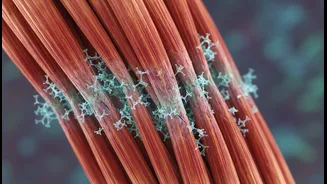
Starting around age 30, we naturally begin to lose muscle mass and function in a process called sarcopenia. This decline can be as much as 3-8% per decade and tends to speed up after 60. This isn't just about looks; sarcopenia affects our ability to perform daily tasks, maintain balance, and stay independent. It increases the risk of falls and fractures and can impact our metabolism. For years, this was seen as a one-way street, but emerging science offers a more hopeful perspective. While we can't stop chronological aging, we have significant influence over the health and vitality of our muscles.
How Exercise Rewinds the Clock
So, how exactly does exercise work its magic at a molecular level? Recent studies have uncovered that physical activity can essentially hit a 'reset button' in aging muscle cells. Research published in journals like PNAS has identified specific molecular pathways that are altered by exercise. For instance, physical activity helps suppress a gene called DEAF1, which is linked to age-related muscle decline. By turning down this gene's activity, exercise allows muscles to clear out damaged components and improves their ability to repair and regenerate, effectively restoring a more youthful cellular profile. Studies have shown that after a period of regular training, the molecular fingerprint of an older person's muscle can remarkably resemble that of a younger adult.
The Best Exercises for Muscle Health
While any movement is beneficial, certain types of exercise are particularly effective at combating sarcopenia and promoting molecular youthfulness. Resistance training—using weights, resistance bands, or your own body weight—is a powerful tool. It directly stimulates muscle protein synthesis and has been shown to increase muscle strength and size, even in people who start training after the age of 70. Aerobic exercise, like brisk walking, swimming, or cycling, is also crucial. It improves mitochondrial function—the energy factories inside our cells—which is vital for muscle health and overall longevity. The consensus among experts is that a combination of both resistance and aerobic exercise offers the most comprehensive benefits for healthy muscle aging.
A Practical Plan to Get Started
You don't need to become a professional athlete to reap these benefits. Consistency is more important than intensity. Aim for at least two to three sessions of resistance training per week. You can start with simple, effective bodyweight exercises like squats, push-ups (on your knees if needed), and lunges. Incorporating compound movements like goblet squats or farmer's carries (walking while holding a weight in one hand) builds functional strength that translates to everyday life. For aerobic health, try to get at least 150 minutes of moderate-intensity activity, such as brisk walking, each week. The key is to find activities you enjoy and to start gradually, building up as you get stronger.