



Why Monsoon is Prime Time for Gardening
The monsoon season in India, typically from June to September, creates a natural greenhouse effect perfect for gardening. The cooler temperatures, high humidity, and abundant natural watering mean many plants thrive with less manual effort. This period
of rejuvenation sees a burst of new growth, making it an ideal time to start a garden or expand an existing one. The moist air helps foliage look lusher and greener, while the frequent rains reduce the chore of daily watering, a common challenge in hotter months. For city residents, this translates to an opportunity to cultivate a personal oasis that feels both beautiful and productive.
Choosing the Right Monsoon-Friendly Plants
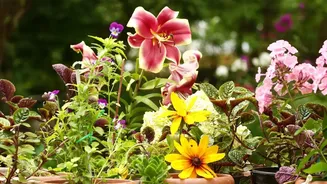
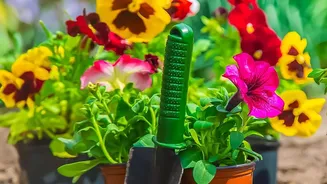
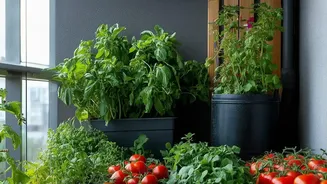
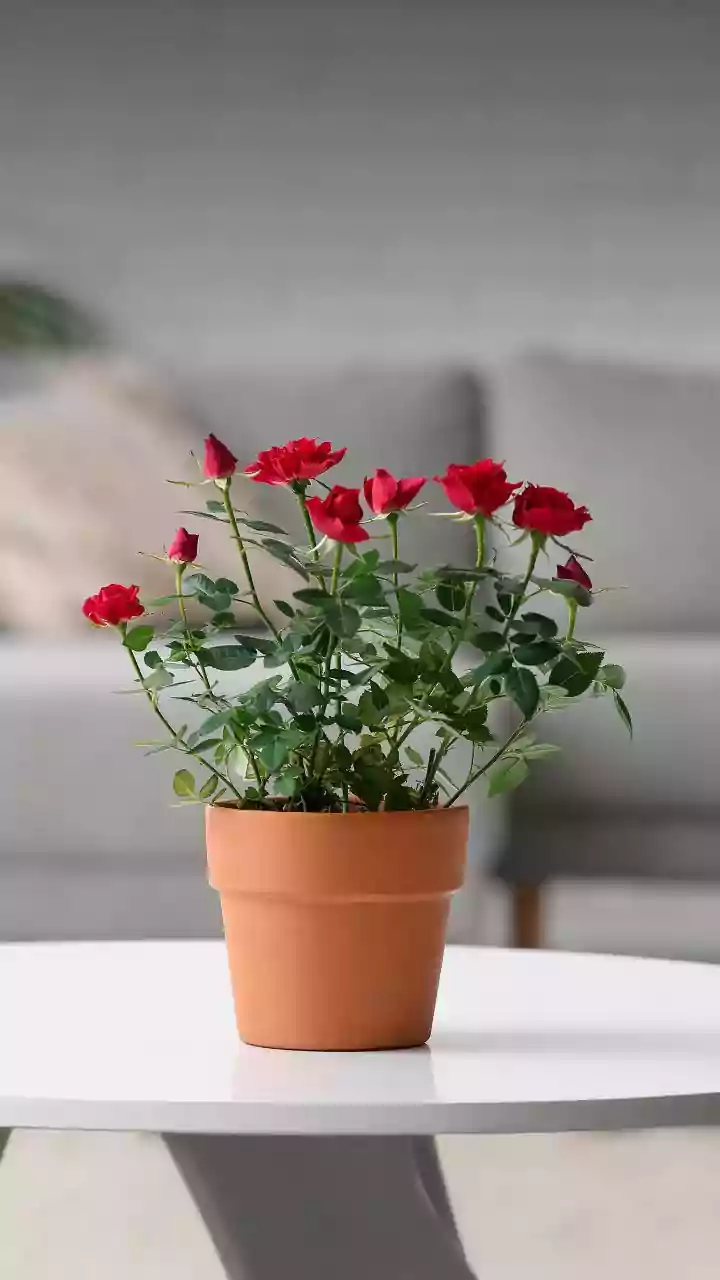
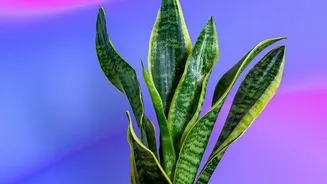
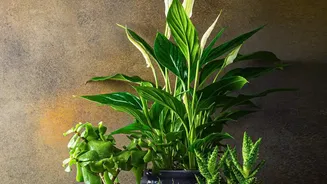
The key to a successful monsoon garden is selecting plants that flourish in high humidity and moist conditions. Flowering plants like hibiscus, balsam, marigold, and periwinkle are excellent choices, adding vibrant colour to your space. Fragrant varieties such as jasmine and tuberose (Rajnigandha) are particularly special, as their scent is enhanced by the damp evening air. For lush foliage, consider tropicals like money plants, ferns, peace lilies, and areca palms, which adore the rainy weather. You can even grow your own produce; herbs like mint and tulsi, and vegetables like chillies and spinach, do remarkably well in monsoon container gardens.
Smart Solutions for Small Spaces
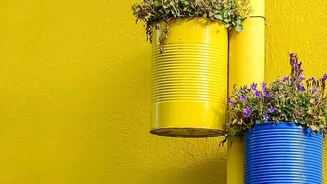
Limited floor area shouldn't limit your green ambitions. Vertical gardening is a popular trend in Indian cities, using wall-mounted planters, trellises, and hanging pots to maximize growing space. This technique not only saves precious floor space but also creates a stunning 'living wall' effect. Railing planters are another fantastic option for adding greenery without cluttering the balcony. Lightweight grow bags have also become a go-to for urban gardeners as they are easy to move and provide excellent root aeration, which is crucial in damp conditions.
Essential Care: Drainage and Pest Management
While the rains are a blessing, too much water can be a curse. The single most important factor for monsoon container gardening is ensuring proper drainage to prevent waterlogging and root rot. Check that every pot has drainage holes and consider elevating them on stands or bricks to allow excess water to escape freely. High humidity can also encourage fungal infections and pests. To manage this, ensure good air circulation by not overcrowding plants. A preventive spray of neem oil can help keep common pests at bay naturally. Always check the soil before watering; even during monsoon, plants under a covered roof may still need a drink.
Creating a True Outdoor Living Room
To truly make your balcony an extension of your home, think beyond just the plants. Incorporate comfortable, weather-resistant seating like a small bistro set or a wicker chair. Adding an outdoor rug or artificial grass mat can define the space and make it feel cozier underfoot. For evenings, ambient lighting is key. String lights, solar-powered lanterns, or even flameless candles can transform the area into a magical retreat where you can enjoy a cup of tea while listening to the rain. If your balcony is exposed, consider installing PVC blinds or a retractable awning for protection from heavy downpours, allowing you to use the space in any weather.