





FIFA's House of Cards
In May 2015, the world of football governance was turned upside down. In a dramatic dawn raid at a luxury hotel in Zurich, Swiss authorities arrested several high-ranking FIFA officials. The arrests were part of a sprawling investigation led by the U.S.
Department of Justice into decades of corruption. The indictment alleged widespread racketeering, wire fraud, and money laundering conspiracies totaling more than $150 million in bribes and kickbacks. The schemes were linked to the awarding of media and marketing rights for major tournaments, as well as the controversial bids for the 2018 and 2022 World Cups. The scandal led to the downfall of FIFA's long-reigning president, Sepp Blatter, who was banned from all football-related activities. It exposed a deep-rooted culture of corruption at the very top of the sport's global governing body.
Calciopoli: The Italian Job
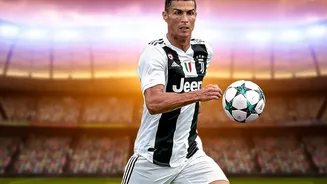
In 2006, just before Italy would go on to win the World Cup, its domestic league, Serie A, was engulfed in a massive scandal known as 'Calciopoli'. Investigations, which began with wiretapped phone calls, uncovered a network of relationships between club executives and referee organizations designed to influence the appointment of officials for key matches. The central figure was Luciano Moggi, the general manager of Juventus. While not strictly match-fixing in the sense of bribing referees to guarantee a result, the scheme aimed to secure 'favourable' referees for games. The punishments were severe: Juventus was stripped of two Serie A titles and relegated to Serie B for the first time in its history. Other top clubs, including AC Milan, Fiorentina, and Lazio, faced points deductions, forever altering the landscape of Italian football.
The Qatar World Cup Controversy
The decision to award the 2022 FIFA World Cup to Qatar was mired in controversy from the very beginning. Allegations of bribery during the bidding process have persisted for years, casting a shadow over the event. Beyond the corruption claims, the tournament was heavily criticized for human rights violations, particularly concerning the treatment of migrant workers. Reports highlighted the dire conditions faced by thousands of laborers who built the state-of-the-art stadiums in extreme heat, with many sources citing thousands of deaths under the 'Kafala' system, which tied workers to their employers. The tournament also sparked debate over LGBTQ+ rights and cultural clashes, with many critics accusing Qatar of 'sportswashing' — using a major sporting event to launder its international reputation.
The Bosman Revolution
Not all scandals involve backroom deals; some are revolutions that begin in a courtroom. In 1995, a Belgian player named Jean-Marc Bosman took his club, RFC Liège, to court over a contract dispute. At the time, clubs could demand a transfer fee for a player even after their contract had expired. Bosman's fight went all the way to the European Court of Justice, which delivered a landmark ruling. The court decided that the existing transfer system was an illegal restriction on the free movement of labor within the European Union. The 'Bosman ruling' fundamentally changed football's economic structure. Players could now move freely to another club at the end of their contract without a fee, drastically shifting bargaining power to players and their agents. It also abolished quotas on EU players in domestic leagues, paving the way for the cosmopolitan, superstar-filled squads we see in Europe today.