






An Early Start to a Season of Optimism
The festive buzz in India for 2026 isn't just in the air; it's already translating into action at cash counters and online checkouts. A significant trend this year is not just what people are buying, but when. Reports indicate that consumer shopping consideration
can begin up to eight weeks before peak festival days. Research from Hansa Research confirms this shift, with 11% of consumers starting their shopping one to two months in advance, and half beginning two to four weeks prior. This elongated shopping period reflects a consumer who is more deliberate and considered. Driving this early start is a powerful wave of consumer optimism. An overwhelming 95% of consumers plan to spend more than usual this festive season, with a remarkable 67% intending to increase their spending by 25% or more. This confidence is setting the stage for a robust retail season, moving beyond a last-minute rush to a more sustained period of purchasing.
Fashion and Apparel Lead the Charge
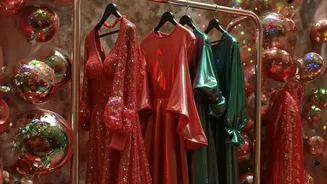
As is tradition, fashion is set to dominate festive baskets. It is expected to be the leading category, with 69% of shoppers planning purchases in this segment. The cultural mandate to wear new clothes for Diwali and other celebrations ensures predictable and massive demand for apparel each year. This includes everything from traditional ethnic wear like sarees and kurtas to more contemporary styles. While big-ticket items in other categories are seeing slower growth, apparel has maintained strong momentum, growing at 8% year-on-year in July 2026, setting a firm base for the festive explosion. Retailers anticipate a 300-400% spike in sales for ethnic wear, designer collections, and jewellery during the season.
Electronics and Home Upgrades Remain a Priority
The desire to upgrade and prepare the home for festivities is a powerful driver of sales in electronics, appliances, and home decor. Electronics and gadgets are a close second to fashion, with 50% of consumers planning purchases in this area. Home decor and furniture follow closely at 51%. This trend combines the auspiciousness of buying new items for the home during Diwali with the practical alignment of product replacement cycles and tech upgrades. Premium smartphones, in particular, are a hot category, with demand from Tier-2 and Tier-3 cities contributing significantly to growth. Meanwhile, home decor and furnishings also benefit as families look to renovate and refresh their living spaces for gatherings. However, there's a note of caution; while overall sentiment is high, categories that require more deliberation, like furniture and consumer durables, showed slower growth in the lead-up to the season, suggesting consumers are being selective with their big-ticket purchases.
The Enduring Glitter of Gold and Jewellery
No Indian festive season is complete without the purchase of precious metals. Gold and jewellery remain a cornerstone of festive spending, deeply intertwined with traditions of prosperity and investment. The category is a significant contributor to overall sales, with one report noting it accounted for 10% of total festive sales last season, just behind FMCG. Despite fluctuating gold prices, the cultural obligation ensures that jewellery experiences one of the biggest spikes of any retail category, especially around Dhanteras. The auspicious nature of buying gold during this period makes it a non-negotiable purchase for many households, representing wealth, purity, and a sound investment.
The Digital Shift and Conscious Choices
How Indians are shopping is changing as much as what they're buying. Digital platforms have become integral, with 63% of consumers incorporating online channels into their festive shopping. This includes 38% who plan to shop exclusively online and another 25% who will use a mix of online and offline stores. At the same time, a more conscious consumer is emerging. A staggering 85% of respondents report making eco-friendly choices during their festive shopping. This translates into avoiding plastic decorations, preferring eco-friendly packaging, and showing increased interest in shopping from local, handmade, or small businesses. This shift indicates that while discounts and deals remain the biggest influence for 60% of shoppers, factors like sustainability and supporting local artisans are becoming increasingly important considerations.