







The Damp Dilemma of Monsoon
Anyone who has lived through an Indian monsoon knows the challenge. The high humidity means that once clothes get wet—whether from a sudden downpour or just a regular wash—they seem to stay that way forever. Traditional fabrics like cotton, while breathable,
act like a sponge, absorbing moisture and taking ages to dry. This leads to clothes feeling heavy and clinging uncomfortably to the skin. Beyond discomfort, this constant dampness can create a breeding ground for bacteria and fungus, leading to musty smells and even skin irritation. It's a seasonal problem that often leaves us with a dwindling supply of fresh, dry outfits just when we need them most.
Decoding Quick-Dry Technology
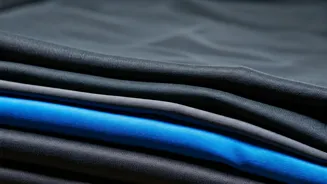
So, what makes quick-dry clothing different? The secret lies in material science. Most quick-dry garments are made from synthetic fibres like polyester and nylon. These materials are "hydrophobic," meaning they naturally repel water instead of absorbing it. While a cotton shirt soaks up moisture, a polyester tee allows water to sit on its surface, absorbing only about 0.4% of its own weight. The technology works through a two-step process. First, "moisture-wicking" pulls sweat or rain away from your skin through tiny channels in the fabric, a process known as capillary action. Second, this moisture is spread across a larger surface area, allowing it to evaporate into the air much faster. The result is a garment that not only keeps you from feeling sticky but also returns to a dry state in a fraction of the time.
More Than Just Speed
The benefits of these modern fabrics extend far beyond a faster drying time. Because they manage moisture so effectively, they are also incredibly lightweight, even when wet. They help regulate body temperature by moving sweat away from the skin, preventing that clammy feeling common in high humidity. Another significant advantage is odour control. Bacteria that cause unpleasant smells thrive in damp environments. By drying rapidly, these fabrics deny bacteria the moisture they need to grow, keeping your clothes fresher for longer. This makes them perfect not just for unexpected rain, but for travel and exercise, too. Many are also wrinkle-resistant, adding another layer of convenience to your daily routine.
Your Quick-Dry Shopping Guide
When shopping for monsoon-friendly apparel, checking the label is key. Look for terms like "quick-dry," "moisture-wicking," or "performance." The most common and effective materials are: * **Polyester:** Known for being one of the fastest-drying fabrics, it's durable, lightweight, and widely available. * **Nylon:** Very durable and water-resistant, nylon is often used for outerwear like jackets and travel pants because of its toughness and stretch. * **Rayon and Modal:** These are semi-synthetic fabrics derived from natural cellulose. They offer a softer, silk-like feel and good drape, making them great for tops and dresses that don't cling. * **Blends:** Many of the best garments are blends, such as cotton-polyester or nylon-spandex. These combine the comfort of natural fibres with the functional benefits of synthetics, like stretch and durability. While some natural fibres like linen also dry quickly, they tend to wrinkle easily. For the best combination of performance and practicality during the rains, synthetic and semi-synthetic options often come out on top.
Making Your Investment Last
To ensure your quick-dry clothes maintain their performance, a little care goes a long way. Always check the garment's care label first. Generally, it's best to wash them in cold water on a gentle cycle. A crucial tip is to avoid fabric softeners, as they can leave a residue that clogs the fabric's pores and impairs its moisture-wicking abilities. While these clothes dry fast, it's best to air-dry them in the shade rather than using a high-heat tumble dryer. Excessive heat can damage the synthetic fibres and reduce their effectiveness over time. By following these simple steps, you can ensure your quick-dry wardrobe stays in top condition for many monsoons to come.