




Decoding Zone 2 Training
You've likely heard about high-intensity interval training (HIIT), but its lesser-known cousin, Zone 2 training, is a game-changer for building sustainable fitness. Zone 2 refers to exercising at a low to moderate intensity, typically around 60-70% of
your maximum heart rate. Forget gasping for air and pushing to your limits. The defining feature of Zone 2 is its 'conversational pace.' You should be able to hold a full conversation without struggling for breath. If you can chat, you're in the zone. If you can sing, you're likely in Zone 1 and can pick up the pace a bit. This approach focuses on steady, repeatable effort, making it less intimidating and highly sustainable.
Why Slower Is Surprisingly Effective
The magic of Zone 2 happens at a cellular level. This type of training primarily stimulates your Type I muscle fibres, also known as slow-twitch fibres, which are crucial for endurance. More importantly, it significantly boosts the function and number of your mitochondria—the tiny powerhouses within your cells responsible for generating energy. By training in this zone, you teach your body to become incredibly efficient at using fat for fuel instead of relying on its limited carbohydrate stores. This enhanced fat oxidation not only builds a deep well of endurance but also improves your body's ability to clear lactate, the byproduct that causes fatigue at higher intensities. The result is a stronger, more efficient aerobic engine.
From Office Chair to Endurance Engine
For desk workers, a sedentary day can lead to a unique kind of exhaustion. While your brain is fried, your body hasn't had the movement it needs. This is where Zone 2 offers specific benefits. Building a strong aerobic base through low-intensity cardio directly combats that all-too-familiar afternoon slump. Improved cardiovascular fitness means your heart pumps blood more efficiently, delivering more oxygen to your muscles and brain. This enhances focus, improves mood, and gives you more energy for life outside of work. Suddenly, taking the stairs, playing with your kids, or going for a weekend trek feels less like a chore and more like a joy. It’s about building an all-day battery, not just surviving the workday.
Finding Your Personal Pace
You don't need a fancy lab to find your Zone 2. The simplest and most reliable method is the 'talk test'—if you can speak in complete sentences, you're doing it right. For those who like numbers, a good starting point is the MAF 180 Formula, developed by Dr. Phil Maffetone. Simply subtract your age from 180 to get your maximum aerobic heart rate. Your Zone 2 is at or slightly below this number. For example, a 35-year-old would have a target of around 145 beats per minute (180 - 35). This formula has adjustments based on your current fitness level, but it's a solid starting point. A heart rate monitor can provide more precise data, but it isn't necessary to begin.
Your Weekly Zone 2 Plan
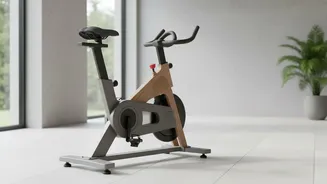
Incorporating Zone 2 into your routine is straightforward. Aim for two to three sessions per week, with each session lasting between 30 and 75 minutes. Consistency is far more important than intensity. The goal is not to feel exhausted afterwards; in fact, you should feel refreshed. Low-impact activities like cycling, brisk walking (especially on an incline), swimming, or using an elliptical machine are perfect options. They provide all the cardiovascular benefits without putting unnecessary stress on your joints. Start slowly and gradually increase the duration of your sessions as your endurance improves. Remember, the key is to build a sustainable habit that supports your health for the long run.