





Understanding Atmospheric Shocks
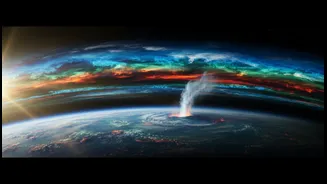
Imagine the atmosphere as a carefully layered cake. For the most part, the bottom layer, the troposphere, is where our weather happens and where most of the planet's water vapor resides. The next layer up, the stratosphere, is typically very dry. An “episodic
moisture shock” is when a massive, sudden event violently injects a huge amount of water vapor from the lower layers into this dry stratosphere. It’s like punching a hole in the cake and squeezing a water bottle into it. These are not slow, gradual changes; they are abrupt, powerful, and localized events that can have widespread consequences that scientists are only now beginning to fully appreciate. This process fundamentally alters the local stratospheric environment, introducing a powerful greenhouse gas where it is normally scarce.
How Wildfires Create Storms
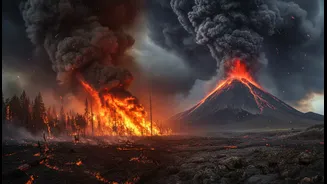
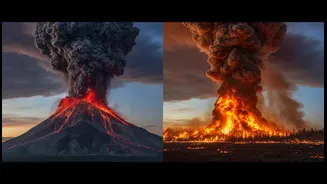
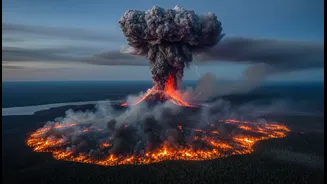
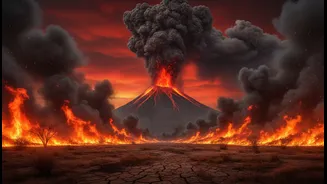
It sounds like science fiction, but massive wildfires can create their own weather. When a fire is large and intense enough, it generates enormous amounts of heat, creating a powerful updraft. This updraft sucks in surrounding moist air, smoke, and ash, shooting it upwards. If conditions are right, this column of hot air and smoke can form a towering thundercloud known as a pyrocumulonimbus (pyroCb). These fire-driven storms are so powerful they can act like a piston, punching through the troposphere and injecting smoke and water vapor directly into the calm, dry stratosphere. Research has shown that these pyroCb events, which are becoming more frequent with climate change, can inject quantities of aerosols and water vapor comparable to moderate volcanic eruptions.
The Volcanic Vapour Engine
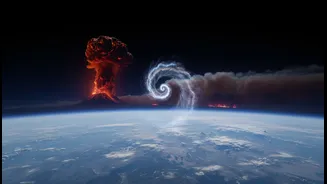
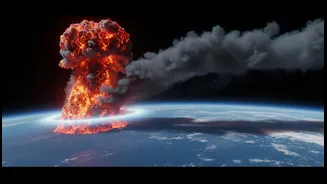
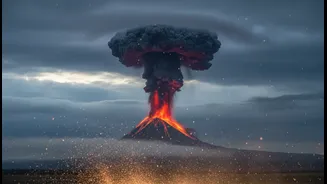
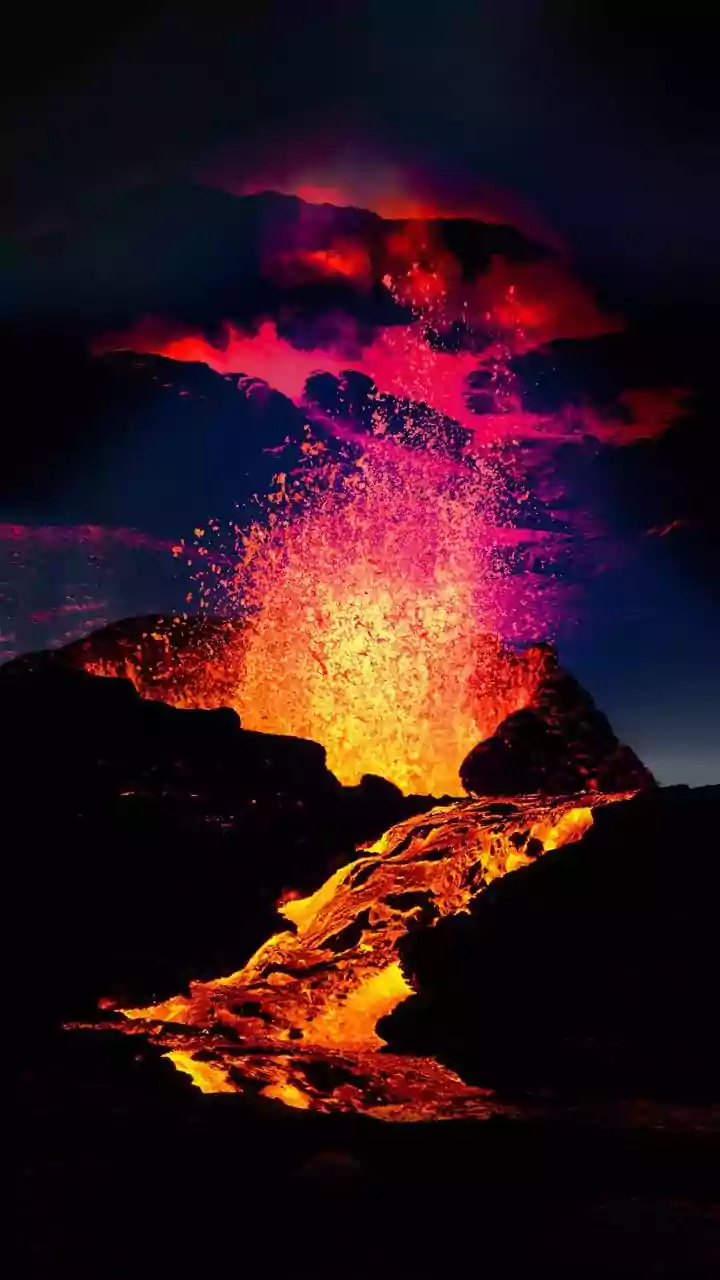
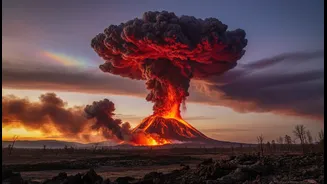
Volcanoes have long been known to influence climate, but the focus has often been on their cooling effect. Large eruptions spew sulfur dioxide into the stratosphere, which forms aerosols that reflect sunlight and cool the planet. However, some volcanoes, particularly powerful underwater eruptions like the 2022 Hunga Tonga-Hunga Ha'apai event, can do something different. This eruption blasted an unprecedented amount of water vapor—a potent greenhouse gas—directly into the stratosphere, far more than its payload of cooling aerosols. This single event increased the amount of water in the stratosphere by a significant percentage, forcing scientists to reconsider the warming potential of certain types of eruptions. Unlike the cooling effect, which is temporary, this injection of water vapor can linger, potentially warming the surface for several years.
A New Challenge For Climate Models
Climate models are incredibly sophisticated tools, but they are primarily designed to simulate gradual, large-scale changes. They excel at projecting the effects of steadily increasing carbon dioxide over decades. However, they have historically struggled to incorporate the impact of sudden, extreme events like pyroCb storms or massive water-rich volcanic eruptions. These “shocks” create blind spots. The failure to account for these massive, episodic injections of stratospheric water vapor means current models might be underestimating certain warming feedbacks and misinterpreting some short-term climate variations. Scientists are now racing to integrate these new findings, recognizing that these events are not just noise, but a crucial part of the climate system.
What This Means For Our Future
Understanding these moisture shocks is critical. Water vapor in the stratosphere acts as a greenhouse gas, trapping heat that would otherwise escape into space. This can lead to a warming of the Earth's surface. Furthermore, it can affect atmospheric circulation patterns and even impact the recovery of the ozone layer. For a country like India, which is heavily dependent on the predictable timing of the monsoon, any factor that alters global weather patterns is of vital concern. Better, more comprehensive climate models that account for these shocks will lead to more accurate forecasts, from seasonal monsoon predictions to long-term risk assessments for extreme heat and weather events. This new research highlights the intricate and sometimes surprising connections within our planet's climate system.