




The Allure of 'Grounding'
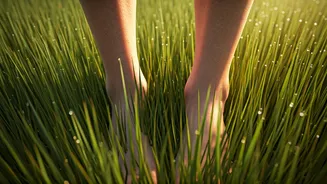
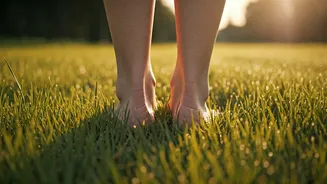
The trend is often called 'grounding' or 'earthing'. Proponents describe an almost meditative experience, a way to cool down and reconnect with nature after a strenuous run. The appeal is simple: the feeling of soft, cool grass under tired feet is a sensory
delight. Runners who practice this often speak of reduced stress and a feeling of well-being. [6] This ritual goes beyond just a pleasant sensation; it's rooted in the idea that direct physical contact with the earth has therapeutic benefits, from improving mood to aiding recovery. [7] For many, it's a simple, free, and enjoyable way to cap off their workout, turning a cool-down into a mindful practice.
Unpacking the Posture Claim
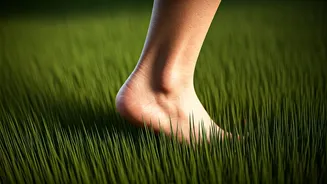
The most compelling claim is that these barefoot walks can improve posture. The logic is that our feet, often confined in overly supportive and cushioned shoes, contain small muscles that weaken over time. [17] Walking barefoot on an uneven, natural surface like grass forces these intrinsic foot muscles to wake up and work harder to stabilize the body. [1, 5] This increased activation enhances proprioception — your body's awareness of its position in space. [8, 12] As your feet send more detailed sensory information to your brain, your body can make subtle adjustments, improving balance and, theoretically, leading to better alignment all the way up the kinetic chain, from your ankles to your knees, hips, and back. [1, 17]
What the Experts Say
Podiatrists and physical therapists have a nuanced view. Most agree that strengthening the intrinsic muscles of the feet is beneficial. Walking barefoot can indeed improve foot mechanics and strength, which forms a better foundation for the rest of the body. [9, 15] However, they caution against viewing it as a miracle cure for poor posture, which often involves complex factors beyond foot strength. Experts warn that people who have spent their lives in supportive shoes need to transition slowly. [9] Jumping into barefoot walking too quickly can increase the risk of injuries like plantar fasciitis or stress fractures, especially on hard surfaces. [14, 19] Some podiatrists also note that for certain conditions, like severe flat feet, the lack of support can be detrimental. [15]
More Than Just Posture
Even if the direct link to perfect posture is complex, the other benefits are compelling. The practice of 'grounding' is being studied for its potential to reduce inflammation, a key factor in post-workout soreness. The theory is that the earth’s surface carries free electrons that may act as antioxidants in the body, neutralizing the free radicals produced during intense exercise. [11, 21] Some small studies suggest this could lead to less muscle damage and faster recovery. [13, 21] Beyond the physical, simply spending a few mindful minutes outdoors in a green space is a well-established way to lower stress hormones like cortisol, improve mood, and enhance mental clarity. [6]
How to Try It Safely
Curious to give it a try? The key is to be smart and start slow. Begin with just five to ten minutes on a soft, familiar surface like your own lawn or a clean park. [9] Always visually inspect the area for sharp objects like glass, rocks, or thorns before you take your shoes off. [2] Be mindful of pesticides or chemicals that may have been used on the grass. Listen to your body; if you feel any new or sharp pain in your feet, ankles, or knees, it’s a sign to stop and ease off. [9] People with diabetes or peripheral neuropathy should consult their doctor before walking barefoot due to the increased risk of unnoticed injuries leading to infection. [3, 9] For most people, a gradual introduction is the safest way to reap the rewards without risking injury.