

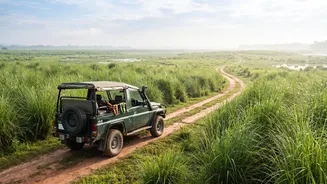
Why October is a Prime Safari Month
October marks a magical transition in India’s wilderness. After months of monsoon rains, the forests are washed clean, flaunting a vibrant, electric green. The temperature is comfortable, with pleasant days and cool mornings, perfect for long hours in a safari
jeep. While the dense post-monsoon foliage can make spotting animals a little more challenging than in the dry summer months, the overall experience is spectacular. Many of the country's premier national parks, which close during the rainy season, begin reopening their core zones, welcoming enthusiasts to witness the rejuvenated ecosystem. It is a time of renewal, with water bodies full and animals active.
Ranthambore National Park, Rajasthan
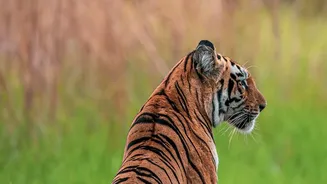
Famous for its formidable tigers set against the backdrop of an ancient fort, Ranthambore typically reopens its gates on October 1st. In October, the park is a photographer's dream, with misty mornings and rich vegetation. While the peak season for tiger sightings is later in the summer when water sources dwindle, October offers good opportunities to see not just tigers, but also leopards, sloth bears, sambar deer, and a plethora of migratory birds arriving at the park's full lakes. Safari timings in October usually start around 6:30 AM for the morning trip and 2:30 PM for the afternoon excursion. Due to its immense popularity, it is crucial to book safari permits and accommodation well in advance, as they sell out almost instantly.
Jim Corbett National Park, Uttarakhand
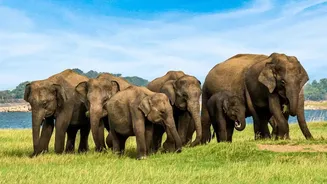
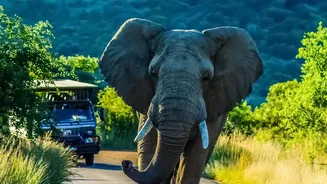
India's oldest national park, Jim Corbett, begins its phased reopening in October. While the Jhirna and Dhela zones often remain open year-round, the popular Bijrani zone typically welcomes visitors from mid-October. The core Dhikala zone, famous for its vast grasslands and elephant herds, usually opens later in November. A visit in October allows you to experience the Himalayan foothills in their post-monsoon glory. Safaris might yield sightings of the Royal Bengal tiger, Asiatic elephants, leopards, and hundreds of bird species. The weather is exceptionally pleasant, ideal for enjoying both jeep and elephant safaris.
Bandhavgarh National Park, Madhya Pradesh
Known for having one of the highest densities of tigers in India, Bandhavgarh National Park is a top destination for serious wildlife lovers. The park's core zones reopen around October 15th. The landscape in October is stunningly beautiful and lush, providing a breathtaking backdrop for wildlife photography. Besides the majestic tiger, you have a good chance of spotting leopards, sambar, chital (spotted deer), and wild boar. The park is divided into several zones like Tala, Magadhi, and Khitauli, each offering a unique safari experience. Planning a trip here requires some effort, as it's located in a more remote part of central India, but the rewards are well worth it for those seeking an authentic jungle adventure.
Kaziranga National Park, Assam
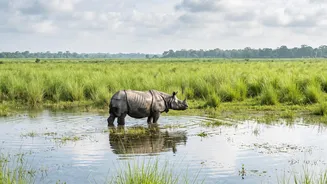
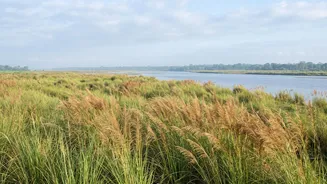
A UNESCO World Heritage Site, Kaziranga is famed for its magnificent population of the one-horned rhinoceros. The park usually starts reopening in early October, often in phases, after the annual floods caused by the Brahmaputra River. In October, the vast grasslands are green and the wetlands are teeming with life. It is an excellent time for spotting the 'Big Five' of Kaziranga: the one-horned rhino, Royal Bengal tiger, Asiatic elephant, wild water buffalo, and swamp deer. It's also a fantastic month for birdwatching, as migratory species begin to arrive. Jeep safaris are available, and elephant safaris typically resume by November 1st.
Practical Tips for Your October Safari
To make the most of your October wildlife trip, planning is key. First, always verify the exact opening dates for your chosen park, as they can change based on local weather conditions. Book your safari permits online as soon as they become available, often 90-120 days in advance, especially for popular parks like Ranthambore. For clothing, pack light layers in neutral, earth-toned colours. Include a hat, sunglasses, and a light jacket for the cool mornings and evenings. Don't forget your binoculars and a camera with a good zoom lens. Finally, be patient; wildlife sightings are a matter of chance, so enjoy the beauty of the forest itself.