




Understanding the Two Pillars of Food Safety
When we pack food, we often worry about how long it will last. This is known as 'holding time'. Perishable foods enter a 'temperature danger zone' if they are left for too long without proper heating or cooling. According to FSSAI guidelines, this zone is between
5°C and 60°C, where harmful bacteria can multiply rapidly. For cold foods, the goal is to keep them at or below 5°C, while hot foods should be maintained above 60°C. However, temperature is only half the battle. The second, equally crucial pillar is 'clean handling'. Cross-contamination, the transfer of germs from raw foods or unclean surfaces to ready-to-eat meals, is a major cause of foodborne illness. Simply put, a perfectly chilled dish can still make you sick if it was prepared or handled with unwashed hands or contaminated utensils.
Choosing the Right Travel-Friendly Foods
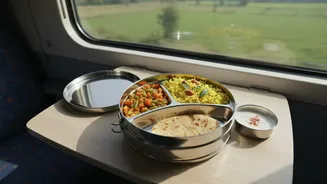
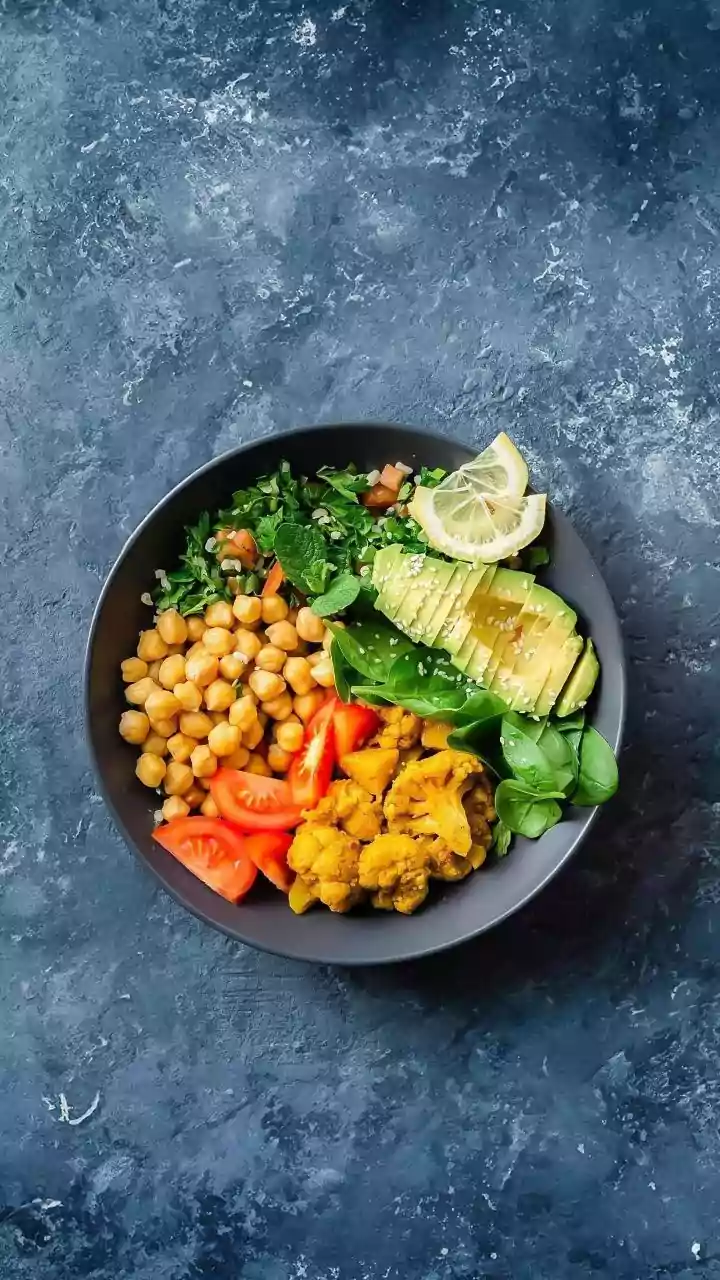
The safest journey starts with selecting the right menu. Some foods are inherently better suited for travel. Items that are dry or have low moisture content, such as parathas with pickle, roasted chickpeas, dry fruit and nut mixes, and whole fruits with peels like bananas and oranges, are excellent choices. These foods are less likely to spoil quickly. On the other hand, high-risk foods include those with dairy, eggs, and raw or undercooked meats. Creamy salads, sandwiches with mayonnaise, and cut fruits can become breeding grounds for bacteria if not kept consistently cold. When packing for a long Indian train journey, familiar and sturdy options like idli with chutney, vegetable pulao, or well-cooked roti rolls are often safer bets than dishes that can spoil easily in warm weather.
The Art of Contamination-Free Packing
How you pack is just as important as what you pack. The cardinal rule is to keep raw and cooked foods separate to prevent cross-contamination. Use airtight, food-grade containers for everything. If you're packing raw meat or poultry, ensure it's securely wrapped and stored on the bottom of your cooler so its juices cannot drip onto other items. A well-packed cooler is your best friend for perishable items. A full cooler maintains its cold temperature longer, so fill any empty space with extra ice packs. For longer trips, consider using two separate coolers: one for drinks and snacks that will be opened frequently, and another for perishable meals that should remain sealed until it's time to eat.
Maintaining Hygiene on the Move
Your journey doesn’t have to compromise your hygiene standards. Clean hands are your first line of defense against germs. Wash your hands with soap and water for at least 20 seconds before preparing or eating any food. If soap and water aren't readily available, an alcohol-based hand sanitizer with at least 60% alcohol is a suitable alternative. Be mindful of the surfaces you use. Use clean plates and utensils, and avoid placing food directly on public tables or seats. Packing disposable towelettes can be helpful for wiping down surfaces and cleaning hands. When sharing food, serve it with clean spoons rather than allowing everyone to use their hands.
What About Hot Food?
Carrying hot food safely presents its own challenges. To be safe, hot food must be kept at a temperature of 60°C or higher. This can be achieved using insulated bags or food thermoses. However, maintaining this temperature for several hours is difficult. If hot food falls into the temperature danger zone (below 60°C), it should ideally be consumed within two hours. For most long journeys, it is often safer and more practical to pack foods that are safe to eat cold or at room temperature. If you must carry hot food, consume it first and as soon as possible.