








The Shift from Concern to Action
For years, climate change felt like a distant, overwhelming problem—something for governments to solve. But a palpable shift is underway across India. The conversation is moving from passive concern to active participation. Fueled by visible environmental
degradation—polluted air, overflowing landfills, and erratic weather—citizens are no longer waiting for top-down solutions. They are forming hyper-local groups, leveraging social media for coordination, and transforming their own neighbourhoods into living laboratories for sustainable practices. This isn't about grand gestures; it's about the consistent, collective effort of people deciding they have a stake in their immediate environment.
Waste Warriors Reclaiming Their Neighbourhoods
One of the most visible frontiers of this grassroots movement is waste management. In cities like Bengaluru, Gurugram, and Pune, Resident Welfare Associations (RWAs) have become instrumental. They are not just petitioning municipal corporations but implementing their own systems. Many colonies have adopted mandatory waste segregation at the source, separating wet, dry, and hazardous waste. Community composting pits or decentralised processing units turn kitchen scraps into valuable manure for local parks and gardens, reducing the burden on overflowing landfills. These initiatives, often led by a few passionate individuals, create a powerful ripple effect. When one building starts, the next one follows, turning individual effort into a community-wide habit and demonstrating a scalable model for urban sustainability.
Greening the Concrete Jungle
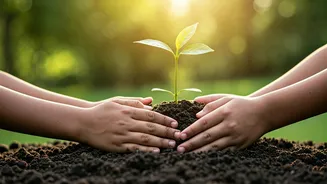
Alongside waste management, a powerful re-greening movement is transforming urban landscapes. Citizens are fighting back against the relentless spread of concrete with tree plantation drives, rooftop gardening, and the creation of mini-forests. In Mumbai, community groups have adopted and revived neglected public spaces, turning them into lush green pockets. In Delhi, residents are embracing vertical gardens to combat air pollution and cool their homes. These efforts do more than just beautify an area; they help lower urban temperatures, improve air quality, support local biodiversity, and reconnect people with nature. They are a defiant act of hope, a way of planting roots in a community and investing in its future health.
The Youth Are Leading the Charge
While RWAs are making institutional changes, India's youth are bringing energy and innovation to the streets. Inspired by global movements but adapted for local contexts, young people are organising everything from 'plogging' drives—picking up litter while jogging—to climate literacy workshops in their communities. They use Instagram and WhatsApp to mobilise volunteers, document environmental issues, and hold local authorities accountable. Student-led groups are campaigning for plastic-free campuses and educating their own families on sustainable consumption. Their approach is direct, digitally savvy, and unapologetically urgent. They are not just the leaders of tomorrow; they are forcing change today, proving that age is no barrier to making a meaningful impact.
Small Steps, Big Ripples
It’s easy to dismiss these efforts as small-scale. A single composting pit or a weekend clean-up drive may not reverse global warming on its own. But their collective impact is profound. These hyper-local actions build a culture of environmental stewardship. They create social proof, making sustainable choices the new norm. They also empower communities to demand better governance and infrastructure from their elected officials. When a neighbourhood successfully manages its own waste, it can more effectively lobby the municipality for better collection services or policy support. This street-by-street approach doesn't replace the need for national policy, but it builds the resilient, aware, and engaged citizenry necessary for any large-scale change to succeed.