
The Soul of Siberia: Lake Baikal
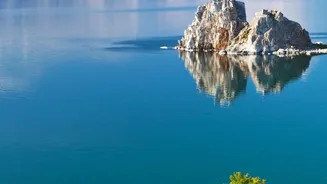
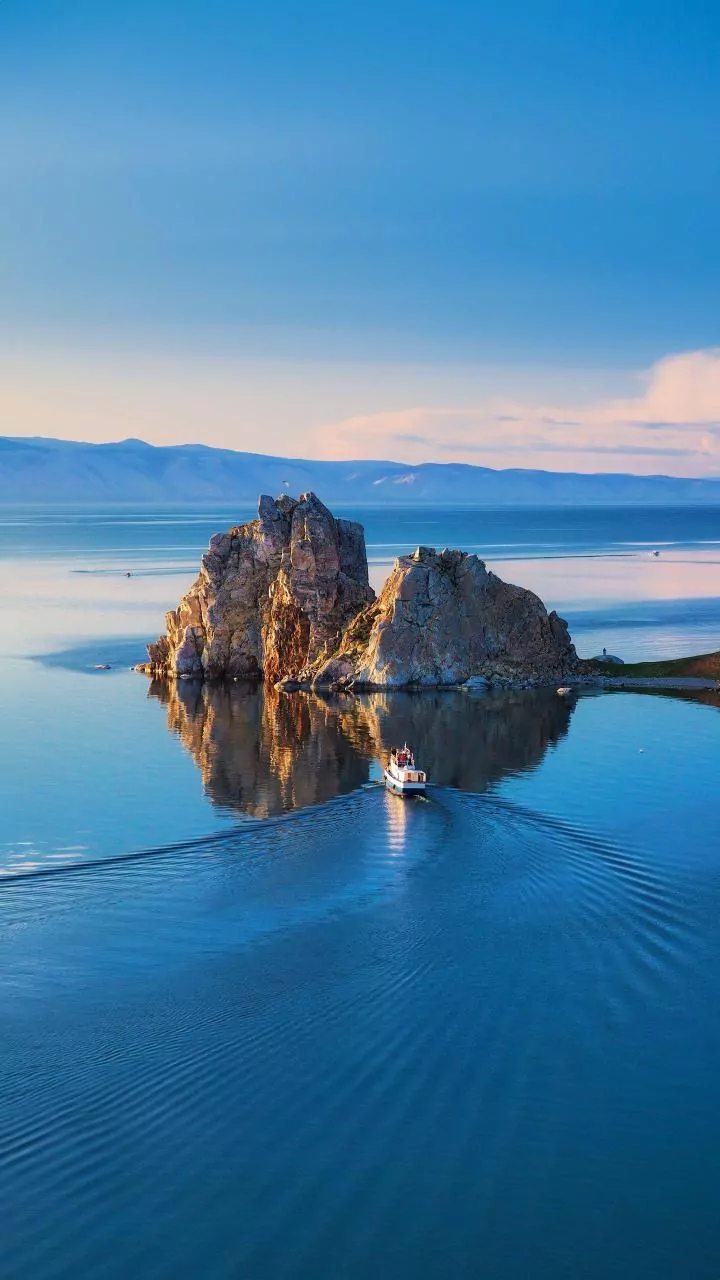
Deep in Siberia lies Lake Baikal, a body of water so immense and ancient it defies easy comprehension. Known as the 'Pearl of Siberia', it is the world's oldest and deepest lake, holding roughly 20% of the planet's unfrozen fresh water. But it's in winter
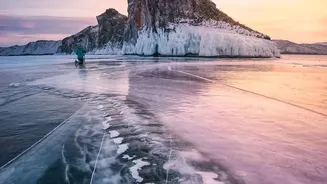
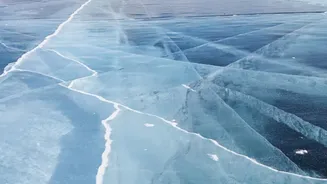
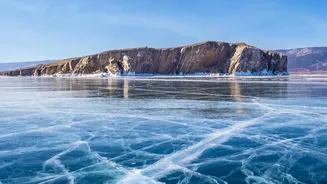
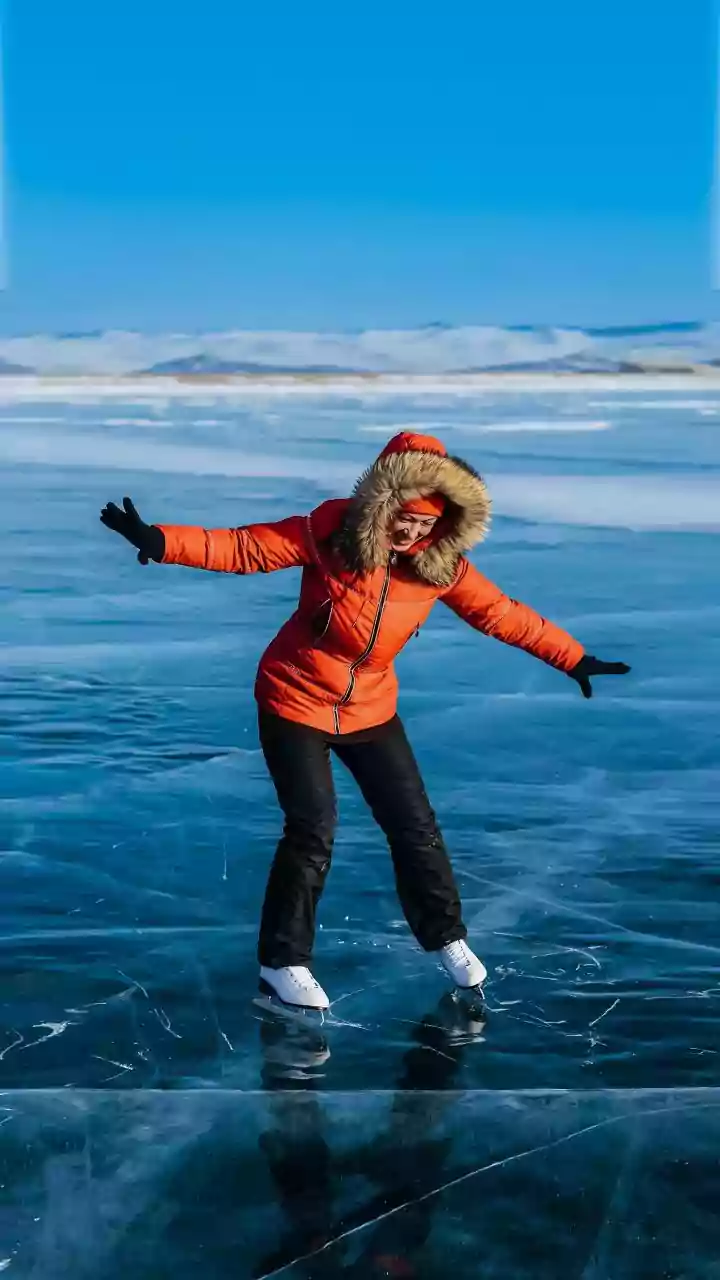
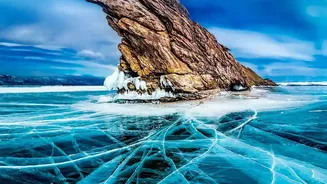
that Baikal performs its most magical feat. From around January to May, it freezes over, creating an ice sheet so thick—up to 1.5 metres—it can support vehicles. What makes this ice extraordinary is its astonishing transparency. The water's purity, with very few suspended particles, results in glass-like ice that allows you to see up to 40 metres down into the dark, mysterious depths. This clarity gives a dizzying, surreal feeling of walking on water itself.
Turquoise Hummocks and Cracks
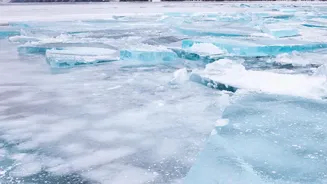
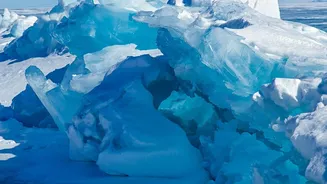
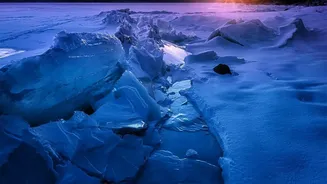
The spectacle doesn't end with clear ice. Constant temperature fluctuations and strong winds cause the ice sheet to crack and shift, creating massive shards of ice called hummocks that are pushed up from the surface. These jagged, angular blocks of ice glow with a stunning turquoise and emerald hue when the sun hits them, turning the lake's surface into a field of natural jewels. The sounds of the lake are just as dramatic as the sights; the shifting ice creates booms and cracks that echo across the vast, silent landscape, a reminder of the powerful natural forces at work beneath your feet. It’s an immersive experience of both sublime beauty and raw power.
Canada’s Frozen Bubble Phenomenon: Abraham Lake
Half a world away, nestled in the Canadian Rockies of Alberta, another frozen wonder captures the imagination: Abraham Lake. Unlike Baikal's ancient origins, Abraham Lake is man-made, formed by the construction of the Bighorn Dam in the 1970s. Yet it has become famous for a unique and mesmerising natural phenomenon: frozen methane bubbles. Every winter, photographers and nature lovers flock to its shores to witness stacks of white, circular bubbles trapped in suspended animation within the ice. Strong winds constantly sweep snow off the surface, polishing the ice and making it a perfect window to the formations below.
The Science of Stacked Jewels
These 'ice bubbles' are the result of a simple biological process. Bacteria at the bottom of the lake feed on decaying organic matter—like plants and trees from before the valley was flooded—and release methane gas. As the gas rises, it forms bubbles. When winter arrives, the lake freezes from the top down. The rising bubbles get caught in the descending layers of ice, creating vertical stacks that look like strings of pearls or ghostly jellyfish frozen in time. The best time to see this spectacle is typically from mid-January to early February, when the ice is thickest and clearest. While beautiful, this phenomenon is also a visible reminder of greenhouse gases, as the methane is released into the atmosphere when the ice thaws in spring.
A World of Wintry Wonders
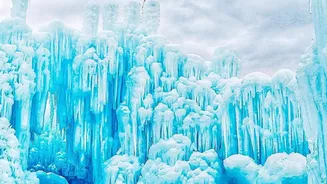
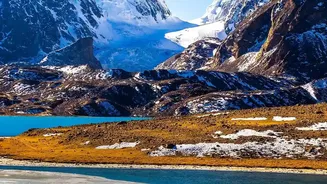
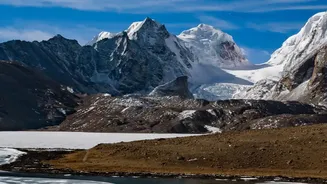
While Baikal and Abraham Lake are two of the most famous examples, they are part of a global tapestry of lakes that turn into winter masterpieces. In Iceland, the Jökulsárlón glacier lagoon fills with icebergs that wash up on black volcanic sand beaches. In the Himalayas, high-altitude lakes like Pangong Tso freeze over completely, creating a stark, high-altitude desert of ice. From the ice caves of Lake Superior in the USA to the serene frozen surfaces of Lake Braies in Italy, each location offers a unique perspective on the transformative and artistic power of winter.