







More Than Just Music
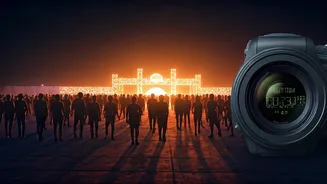
The conversation around music festivals has fundamentally shifted. While the core experience of music, community, and culture remains, a new layer of discourse has become impossible to ignore: safety. Tragic events in recent years, such as the deadly
crowd surge at Astroworld, have brought the potential dangers of large-scale events into sharp focus. This, combined with a growing awareness of issues like drink spiking and harassment, has pushed safety from a background concern to a foreground priority for many attendees, particularly for Gen Z, a demographic sometimes dubbed 'generation sensible'. This generation's approach is less about expecting organisers to handle everything and more about proactive, peer-to-peer preparation.
The Digital Buddy System
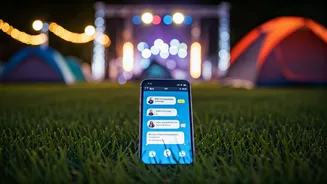
The phrase "in the group chat" is more than just slang; it’s where modern festival safety strategy is born. Social media platforms like TikTok, Reddit, and private group messages have become essential tools for sharing real-time information and advice. Attendees now use these platforms to circulate tips on everything from hydration and spotting signs of distress to creating 'in case of emergency' plans. Location sharing among friends is standard practice, and groups establish code words to signal discomfort or danger. This digital buddy system acts as a decentralized, crowd-sourced safety net, empowering attendees to look out for one another in ways that were previously informal or left to chance. This peer-to-peer vigilance is changing the culture from the ground up.
From Hashtags to Actionable Advice
The advice being shared is increasingly specific and practical. Beyond the basics of staying with friends, conversations now include detailed instructions on how to escape a crowd crush—such as staying upright and moving with the flow of the crowd. The threat of drink spiking has led to a rise in shared knowledge about prevention, like using drink covers, opting for bottled drinks, and knowing the symptoms of being drugged. There’s also a growing market for personal safety tech, from discreet drink testing kits to apps with SOS features that can alert festival security and share a user's live location. This blend of low-tech wisdom and high-tech tools reflects a generation determined to take control of its own well-being.
Are Organisers Listening?
In response to both high-profile incidents and audience pressure, some festival organisers are beginning to adapt. The industry is facing new scrutiny, with calls for stricter event licensing, better crowd management plans, and more robust on-site medical and security resources. Some festivals have integrated official safety apps, providing attendees with a direct line to emergency services and a source for official alerts. However, many believe the industry is still lagging, putting profits over people and failing to implement necessary changes until tragedy strikes. Security experts and safety advocates are pushing for a shift from reactive measures to proactive planning, where safety is embedded in the event's design, not just a line item on a checklist. This includes better communication channels that give authorities the power to pause or stop a show if safety is compromised.
Your Pre-Festival Safety Checklist
This new era of collective responsibility means every attendee has a role to play. Before you go, discuss a plan with your group. Agree on a designated meeting spot in case you get separated—one that isn't an obvious landmark. Share your live locations with each other for the duration of the event. Familiarise yourself with the festival map, noting the locations of medical tents and water stations. Pack a portable charger to keep your phone alive. Talk about your boundaries and establish a code word you can use if you feel unsafe or need to leave a situation immediately. Stay hydrated, but be mindful of electrolyte imbalances from drinking only water. And most importantly, trust your instincts. If a situation feels wrong, it probably is. Don't hesitate to move away or seek help from festival staff or security.