





Sunder Nursery: Heritage and Horticulture
Adjacent to Humayun's Tomb, Sunder Nursery is a stunning example of ecological and heritage restoration. This 90-acre park is far more than just a green space; it's a UNESCO World Heritage site featuring 15 Mughal-era monuments, beautifully landscaped
gardens, and water features. Stroll along the central vista, a long water canal reminiscent of Mughal garden design, or explore the arboretum, which is home to almost 300 tree species. It has quickly become a favourite spot for families and history enthusiasts, offering a perfect blend of nature, history, and tranquil picnic spots. With over 80 bird species and 36 butterfly species recorded, it's a haven for biodiversity in the heart of the city.
Sanjay Van: A Sprawling Urban Forest
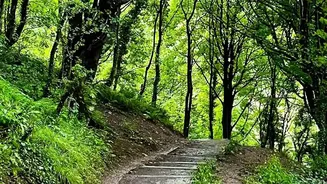
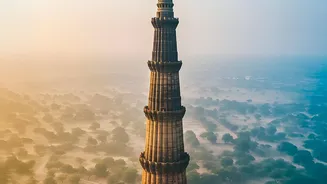
Covering over 780 acres, Sanjay Van is a vast, forested area on the Aravalli ridge, nestled between Mehrauli and Vasant Kunj. It's a haven for morning walkers, trail runners, and birdwatchers. The forest is a critical green lung for the city, featuring dirt tracks and unpaved paths that wind through a mix of dry deciduous trees and scrub vegetation. Peacocks, golden jackals, and nilgai are known inhabitants, and the area boasts over 90 bird species. While its trails are long and signage can be sparse, exploring this urban wilderness offers a genuine escape. For a unique experience, find the watchtower for panoramic views that stretch to the Qutub Minar.
Asola Bhatti Wildlife Sanctuary: Delhi’s Only Wilderness
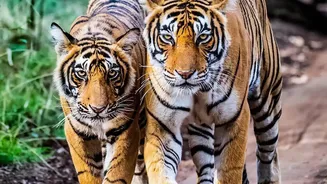
As Delhi's only designated wildlife sanctuary, Asola Bhatti offers a truly wild experience on the city's southern edge. This protected area, spanning over 32 square kilometres, is a critical part of the Northern Aravalli wildlife corridor. Once a mining site, it has been restored and now features several lakes, including the popular Neeli Jheel (Blue Lake). The sanctuary is home to a surprising variety of wildlife, with recent studies confirming the presence of leopards, though sightings are extremely rare for visitors. More commonly spotted are nilgai, blackbuck, and over 190 species of birds. The sanctuary also has a dedicated butterfly park, making it a key destination for serious nature lovers.
Jahanpanah City Forest: A Runner's Paradise
Spread over 800 acres, the Jahanpanah City Forest is a popular green space for residents of South Delhi. It offers a well-marked 6.6-kilometre jogging and walking loop that is a favourite among fitness enthusiasts. The forest is named after Muhammad bin Tughlaq's 14th-century city and provides a cool respite from the city heat under its dense canopy. Despite being located between busy neighbourhoods like Greater Kailash and Chirag Delhi, it offers a surprisingly peaceful environment. Look out for the 'machaan' or watchtower, which gives a 360-degree view over the treetops. The forest is a great example of an everyday green space, used more by locals than tourists.
Aravalli Biodiversity Park: A Story of Restoration
Located on the Delhi-Gurgaon border, the Aravalli Biodiversity Park is a remarkable example of ecological revival. Once a barren mining site, this area has been transformed into a flourishing forest habitat. The park now supports over 2,000 species of plants and animals, including more than 190 bird species. It features well-maintained walking and cycling trails, an orchidarium, a butterfly conservatory, and a medicinal plant garden. The park showcases the native flora of the ancient Aravalli range and serves as a vital green lung and educational hub, demonstrating how urban landscapes can be reclaimed for nature.