
The Science of Plant Sweat
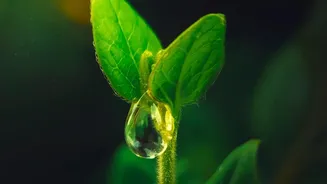
Plants ‘breathe’ and release water through tiny pores on their leaves called stomata. This process is called transpiration. Think of it as plant sweat. When the air is dry, water evaporates from the leaves quickly, pulling more water up from the roots.
But when the air is already saturated with moisture—as it is on a humid day or during the monsoon season—this process slows down significantly. It's like trying to dry laundry on a damp day; the water has nowhere to go. Because the plant is losing less water through its leaves, it also needs to draw less water up from its roots. Sticking to a rigid watering schedule in high humidity can quickly lead to waterlogged soil.
Ditch the Schedule, Check the Soil
The single most important shift you can make is to stop watering on a fixed schedule and start checking the soil moisture. The most reliable tool for this is your finger. Push your index finger about an inch or two into the soil. If it feels dry at that depth, it's likely time to water. If it feels damp or moist, hold off for a few more days and check again. This simple test accounts for all the variables that a calendar cannot: the specific needs of the plant, the size of the pot, the light it receives, and the current humidity in your room. Watering apps can be helpful reminders, but they can't know the actual conditions of your plant's environment.
Not All Plants Feel the Same
Different plants react to humidity in different ways. Tropical plants like ferns, calatheas, and most palms may love the moist air, as it mimics their native rainforest environment. However, even these moisture-loving plants will require less frequent watering at their roots when humidity is high. On the other hand, succulents, cacti, and ZZ plants are native to arid regions and are extremely susceptible to root rot in damp conditions. For these plants, high humidity is a danger zone. Their soil needs to dry out completely between waterings, and a humid environment slows this drying process dramatically. Be extra vigilant with these species during wet weather.
Warning Signs of an Overwatered Plant
Ironically, an overwatered plant can often look like an underwatered one, with wilting, yellowing leaves. The key difference is the soil. If a plant is drooping but the soil is still wet, you are likely overwatering. Other tell-tale signs include yellowing lower leaves, soft or mushy stems near the soil line, and brown spots on the leaves, sometimes with a yellow halo. You might also notice fungus gnats hovering around the pot or even a sour, musty smell coming from the soil, which indicates that the roots are suffocating and beginning to rot.
Tips for High-Humidity Care
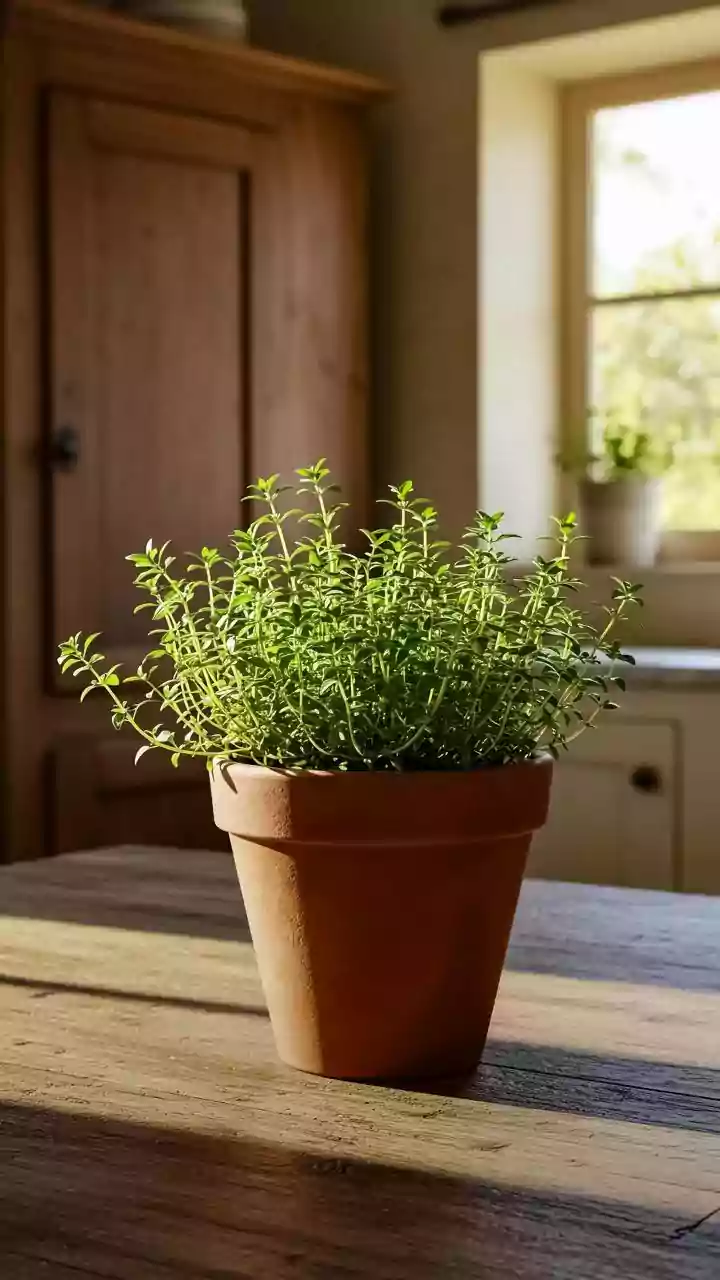
During India's monsoon or on particularly humid days, a few adjustments can make a big difference. First, ensure good air circulation. A gentle fan in the room can help move the saturated air away from your plants' leaves and aid in soil drying. Second, consider the pot. Unglazed terracotta pots are porous and help wick moisture out of the soil, making them a great choice for plants prone to root rot. Ensure every pot has a drainage hole and isn't sitting in a saucer full of water. If your soil mix is staying wet for too long, you can amend it by adding materials like perlite or orchid bark to improve aeration and drainage.