


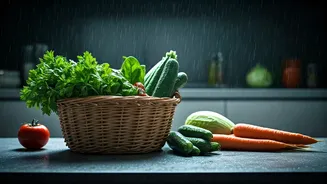


Why Humidity Is a Kitchen Menace
The core of the problem is simple: moisture accelerates spoilage. High humidity in the atmosphere means there is more available water in the air and on the surface of foods. This creates an ideal environment for microorganisms like bacteria, mould, and yeast
to multiply rapidly. Foods that are already high in moisture, such as dairy products, fresh produce, and cooked meals, are particularly susceptible. The warm, damp conditions of the monsoon can dramatically shorten the shelf-life of foods that would otherwise last longer, turning your kitchen into a battleground against microbial growth.
The Delicate Case of Dairy
Dairy products like milk, paneer, curd, and fresh cream are notoriously sensitive to temperature and humidity changes. During the monsoon, they can spoil much faster than usual, sometimes before any obvious signs like a sour smell appear. The moisture in the air encourages bacterial growth, which can quickly compromise these nutrient-rich products. To keep them safe, it's crucial to refrigerate all dairy items immediately after purchase and return them to the fridge right after use. For milk, boiling it soon after it's delivered and then cooling it before refrigeration can add an extra layer of safety. Paneer is best stored submerged in water in an airtight container in the fridge, while curd should be checked for excessive sourness or texture changes before consumption.
Handling Leftovers with Extra Care
Last night’s dinner can become a health risk if not handled correctly in the humid monsoon weather. Cooked food, especially rice, should never be left at room temperature for more than an hour or two. Cooked rice can contain spores of a bacterium called Bacillus cereus, which survive the cooking process. In warm, humid conditions, these spores can multiply and produce toxins that even thorough reheating may not destroy. The golden rule for all leftovers is to cool them down quickly after a meal. You can spread the food out on a plate to increase the surface area and speed up cooling. Once cooled, transfer everything to an airtight container and place it in the refrigerator promptly. It's also wise to cook smaller batches of food to minimise leftovers in the first place.
Smart Reheating and Storage Rules
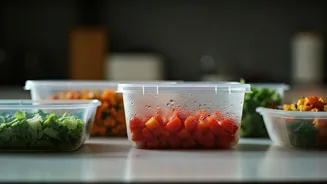
Properly storing food is only half the battle; reheating it correctly is just as important for safety. When you are ready to eat leftovers, make sure to heat them thoroughly. Soups, gravies, and curries should be brought to a rolling boil. When reheating rice or dry dishes, ensure they are steaming hot all the way through. It's best to only reheat the portion you plan to eat, as repeatedly cooling and reheating food creates more opportunities for bacterial growth. Using airtight containers is non-negotiable during the monsoon. They act as a barrier, not just against moisture but also preventing cross-contamination from other foods in your fridge. Glass containers are an excellent choice as they are less porous than plastic and don't retain odours.
Trust Your Senses, But Be Cautious
Your senses of smell, sight, and touch are valuable tools for detecting spoiled food. Look for signs like mould, sliminess, discolouration, or a fuzzy appearance. An off-smell or a sour taste are clear indicators that food should be discarded. However, it's important to remember that some harmful bacteria don't produce any obvious signs of spoilage. A food item can look and smell perfectly fine but still harbour dangerous microbes, especially in high-risk monsoon weather. Therefore, the safest approach is to be proactive with storage and follow the principle: when in doubt, throw it out. Prioritising food safety is essential to enjoying the rainy season without the unpleasantness of foodborne illnesses.