


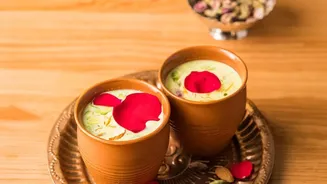

The Rise of the Visual Feast
Before social media, a great meal was described with words. Now, it's shared with a photo. Platforms like Instagram, with over 350 million users in India alone, have turned every diner into a potential food critic and marketer. This shift has made the
visual appeal of a dish as crucial as its taste. Research shows that a significant percentage of diners use social media to choose where to eat, and they are heavily influenced by images. In fact, studies have found that the act of taking a photo can increase the anticipation and enjoyment of the food, making it seem tastier. Restaurants that fail to present a visually appealing feed risk becoming invisible to a whole generation of potential customers who decide where to eat by scrolling through their phones.
Designing for the 'Gram
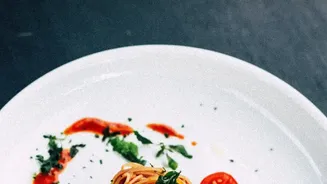
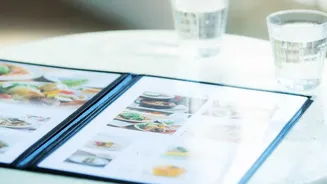
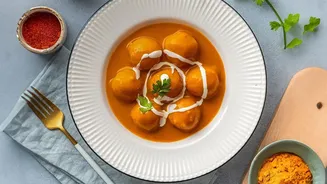
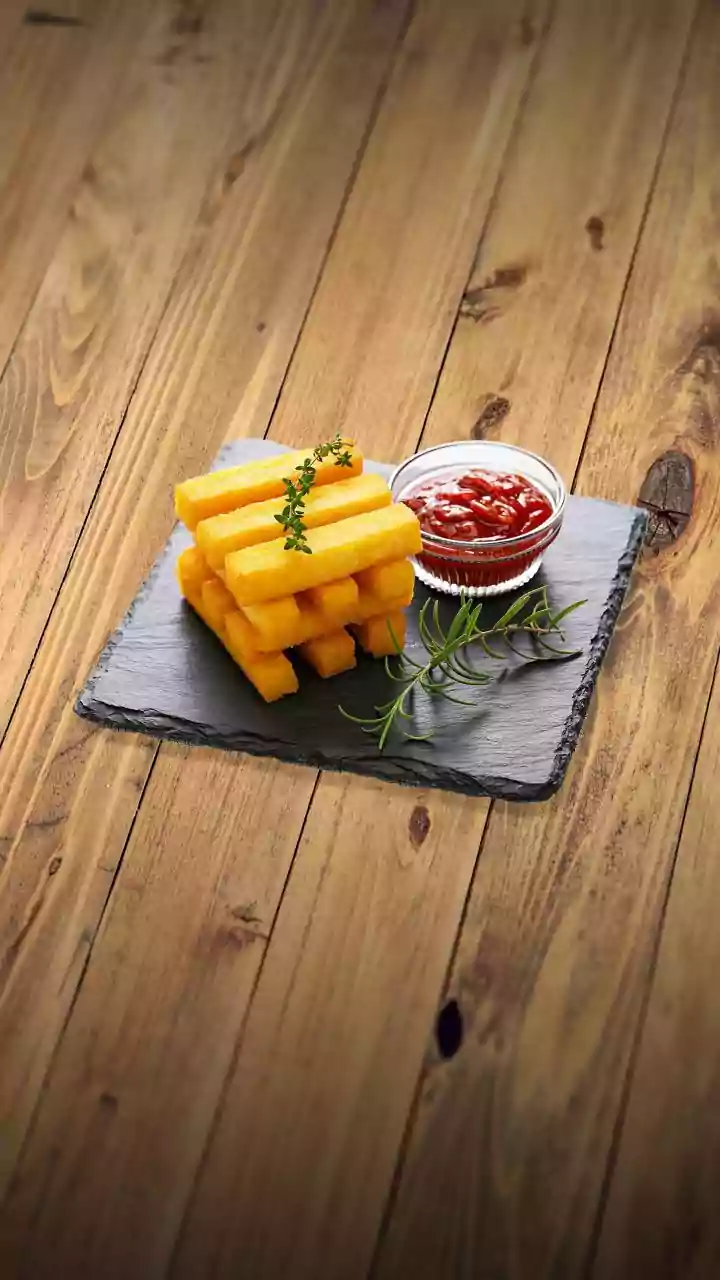
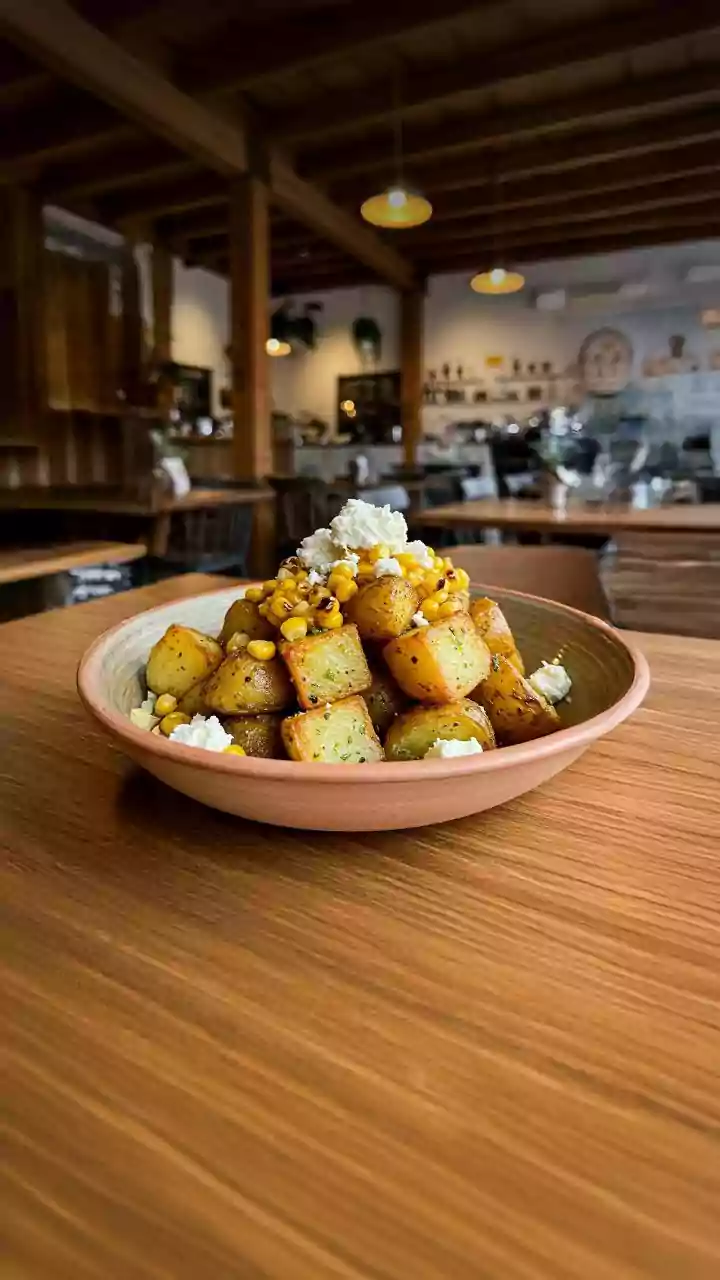
Chefs and restaurateurs are now acting like art directors, consciously creating dishes designed to be 'Instagrammable'. This involves a deliberate focus on elements that pop on screen: vibrant colours, contrasting textures, height, and unconventional plating. Ingredients like edible flowers, colourful purées, and even activated charcoal (which can turn ice cream black) are used not just for flavour but for their visual impact. The goal is to create a 'hero' element on the plate that immediately grabs attention in a fast-scrolling feed. Some establishments even hire consultants to make their menus and interiors more camera-friendly, knowing that a unique, shareable dish or a photogenic corner can drive significant foot traffic.
The Business of Being Photogenic
The return on investment for an 'Instagrammable' dish is substantial. Every time a customer posts a photo, it acts as free, authentic marketing that reaches their entire network. For restaurants in India, a strong Instagram presence is now considered the single most powerful marketing channel. Data suggests that a high percentage of food-related searches on the platform lead to a restaurant visit within 48 hours. Restaurants with active profiles report significantly higher footfall from new customers. This has also fuelled the rise of micro-influencer marketing, where local food bloggers with engaged followings are invited to review restaurants, often creating more buzz than traditional advertising at a fraction of the cost.
Taste vs. Theatrics: A Slippery Slope?
However, this emphasis on aesthetics comes with criticism. Some food writers and chefs worry that the relentless pursuit of the perfect picture can come at the expense of what truly matters: flavour and quality. There's a risk of creating 'Instagrammable impostors'—dishes that look stunning but are ultimately disappointing to eat. Critics also point to the rise of 'gawp-core', where food is made absurdly large or gimmicky purely for shock value and viral potential. The pressure to perform for the camera can compromise the dining experience, with food sometimes sitting and getting cold while the perfect shot is taken. When the reality of a dish doesn't match the highly edited online photos, it can create a 'perception gap' that erodes customer trust.
The Trend on Indian Plates
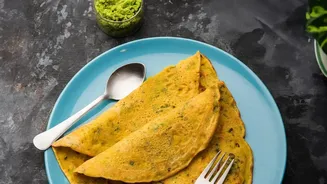
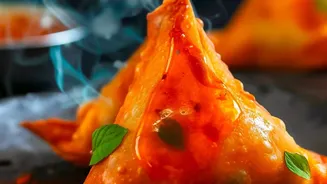
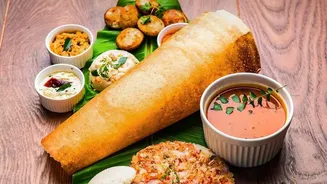
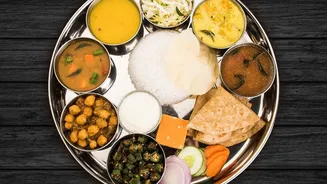
In India, this visual trend is thriving. From high-end restaurants in major cities to local street food vendors, everyone is upping their presentation game. According to recent reports, over 70% of Indian diners use social media to pick restaurants, making Instagram a primary battleground for attention. We see it in the deconstructed pani puri served with test tubes of flavoured water, the vibrant thalis arranged for maximum colour contrast, and the fusion desserts that look like modern art. Restaurants are using Instagram Reels and Stories to showcase everything from a chef’s plating technique to the sizzle of a dosa on a hot pan, understanding that this behind-the-scenes content builds community and drives sales.