



A Glimpse into the Future of Farming
The 24th edition of Agri Intex, held at the CODISSIA Trade Fair Complex, has become a pivotal event for the Indian agricultural community. Spanning over 150,000 square feet, the expo brings together hundreds of companies from across India and countries
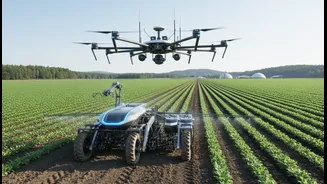
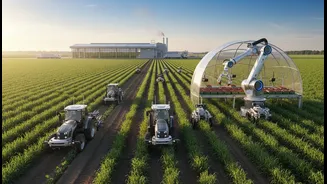
like Japan, Italy, and the US to display the latest in farm technology. Organized by the Coimbatore District Small Industries Association (CODISSIA), the event is designed to introduce farmers and entrepreneurs to contemporary practices in agriculture, horticulture, dairy farming, and food processing. With live machinery demonstrations, expert-led seminars, and zones dedicated to everything from livestock to automation, the fair provides a comprehensive look at a sector in transformation. It’s a place where a farmer from Salem can see a multipurpose electric vehicle that sprays, tills, and carries loads, and a young graduate can discover a future in a field they might have once considered outdated.
The View From Above: Drones Take Flight
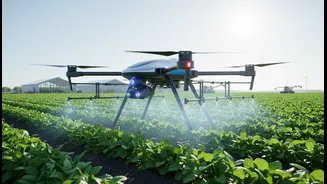
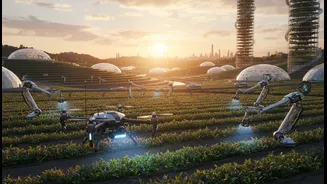
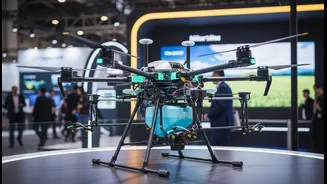
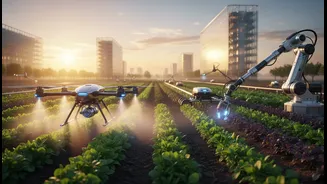
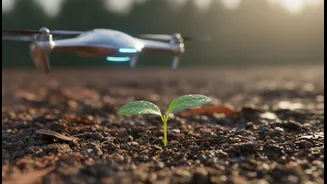
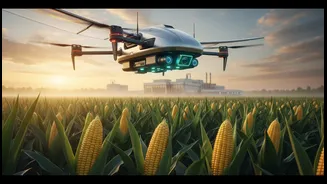
One of the biggest draws at modern agricultural expos is drone technology, which has moved firmly beyond the pilot phase in India. These unmanned aerial vehicles are revolutionizing farming by enabling precision agriculture. Instead of blanket-spraying an entire field, drones equipped with advanced imaging can identify specific areas needing water, fertilizer, or pesticides, saving costs and reducing environmental impact. This has created a surge in demand for new roles. The most obvious is the licensed drone pilot, a skilled operator who can navigate complex flight paths for spraying, mapping, and crop health monitoring. But the ecosystem extends further, requiring drone technicians for maintenance and repair, and data analysts who can interpret the information collected by drone sensors to provide actionable insights for farmers. Startups and established companies are actively hiring for these positions, offering lucrative career paths for tech-savvy individuals, with some experienced pilots and entrepreneurs earning well over ₹50,000 a month.
The Pulse of the Soil: Sensors and IoT
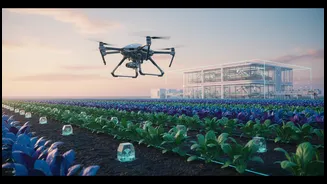
Beyond the sky, the ground itself is becoming smarter. The rise of the Internet of Things (IoT) has led to the development of affordable sensor kits that give farmers real-time data about their land. These sensors can monitor soil moisture, nutrient levels, and local weather conditions, feeding information to a farmer's smartphone. This data-driven approach allows for precise irrigation and fertilization, a practice known as precision farming, which helps conserve resources and boost yields. The growth in this area is creating jobs for IoT engineers who design and develop the hardware, technicians who install and maintain the sensor networks in the field, and software developers who build the apps that make the data understandable. Furthermore, agricultural engineers are needed to integrate these IoT systems into broader smart irrigation and farm management projects. It’s a field where expertise in electronics, software, and agriculture converge.
From Field to Factory: The Food Processing Boom
The technological transformation doesn't end when the crop is harvested. The food processing sector, heavily featured at Agri Intex, is a critical part of the value chain and a massive source of employment. This industry turns raw agricultural produce into marketable products, from packaged foods and frozen goods to nutritional supplements. In states like Tamil Nadu, the demand for skilled professionals in this area is robust. Job boards list numerous openings for roles such as production supervisors, quality controllers, food technologists, and plant managers. These positions require a blend of scientific knowledge, adherence to strict food safety regulations, and operational management skills. As the industry grows, it also creates opportunities in logistics, supply chain management, and packaging, ensuring that produce gets from the farm to the consumer efficiently and safely.
Cultivating a New Generation of Agri-Professionals
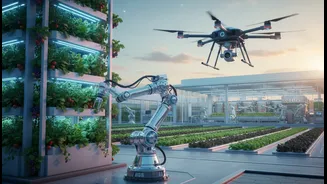
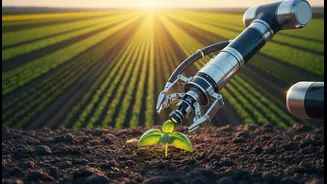
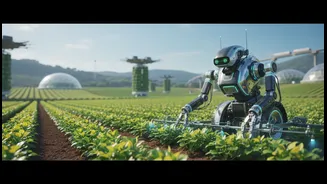
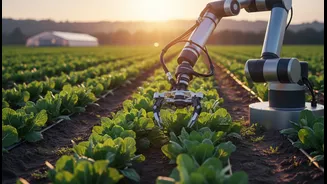
The rapid modernization of agriculture means the required skillset is evolving. Traditional farming knowledge is still valuable, but it must now be paired with digital literacy and technical expertise. Events like Agri Intex play a crucial role in bridging this gap, showing the younger generation that a career in agriculture can mean working with AI, data analytics, and robotics. This shift is supported by government initiatives and a growing number of agri-tech startups that are actively recruiting a new kind of talent. Careers now range from remote sensing specialists who analyze satellite imagery to agronomists who use data to advise farmers, and from mechanical engineers who design new machinery to sales professionals who specialize in agri-tech solutions. The sector needs people who can develop, operate, and manage these new technologies, creating a diverse and dynamic job market.