



The Building Blocks of a Great Lunch
Forget rigid recipes. The best approach to sustainable meal prep is to think in components. Each day, you'll assemble a bowl from four key categories: a hearty grain, a satisfying plant-based protein, a variety of vegetables, and a flavour-packed dressing.
By prepping each of these elements separately, you give yourself the freedom to mix and match. This 'ingredient prep' method ensures you won't get bored by Friday and can adjust your lunch based on your cravings. It’s a simple system: cook a few core items on Sunday, then spend just minutes assembling a fresh, interesting meal each day.
Step 1: Build Your Base with Grains
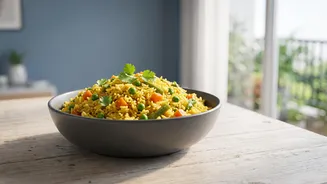
Whole grains are the foundation of a filling lunch, providing sustained energy. On your prep day, cook a large batch of one or two versatile grains. Quinoa is a fantastic choice as it's a complete protein, containing all nine essential amino acids. Brown rice is a classic, fibre-rich option that pairs well with anything. For a chewier, nuttier texture, consider farro or millet. To cook, simply follow the package directions, but consider using low-sodium vegetable broth instead of water and adding a bay leaf for extra flavour. Once cooked and cooled, store the grains in an airtight container in the fridge for up to four days.
Step 2: Power Up with Plant Proteins
Protein is what makes your lunch truly satisfying. Luckily, many vegetarian proteins are perfect for prepping ahead. Lentils and chickpeas are affordable powerhouses; you can cook a large batch of lentils or simply drain and rinse canned chickpeas. For a great texture, toss chickpeas with spices and roast until crispy. Tofu and paneer are also excellent options. For maximum flavour, press extra-firm tofu to remove excess water, then cube and marinate it in a mix of soy sauce, ginger, and sesame oil before baking or pan-frying until golden. These protein sources can be stored in separate containers, ready to be added to your bowls.
Step 3: Add Colour with Vegetables
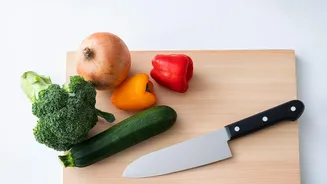
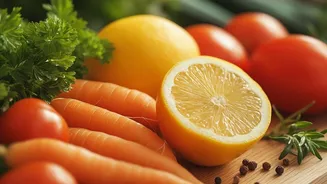
Vegetables add vital nutrients, texture, and colour. The key is to divide them into two groups: 'cooking' and 'fresh'. 'Cooking' veggies like broccoli, sweet potatoes, bell peppers, and cauliflower can be chopped and roasted on a sheet pan. Toss them with a little oil and your favourite seasonings and roast until tender and slightly caramelised. Store these in the fridge. 'Fresh' veggies like cucumbers, cherry tomatoes, and onions should be prepped but stored carefully to maintain their crunch. Chopped onions and peppers can be kept in an airtight container, while delicate leafy greens should be washed, dried thoroughly, and stored in a bag with a paper towel to absorb moisture.
Step 4: Boost Flavour with Dressings
A good dressing ties everything together. Making your own is cheaper, healthier, and surprisingly easy. You can whisk a simple vinaigrette directly in a glass jar. A classic combination is one part acid (like lemon juice or apple cider vinegar) to three parts oil (like olive oil), plus salt, pepper, and herbs. For a creamy option, try a tahini-based dressing by mixing tahini with lemon juice, garlic, and a little water to thin it out. Another great choice is a yogurt-based sauce with fresh herbs like dill or mint. Make one or two dressings for the week and store them in jars in the fridge.
Putting It All Together
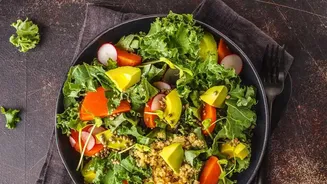
With your components prepped, daily assembly is a breeze. Each morning, simply build your bowl. On Monday, you might combine quinoa with roasted chickpeas, roasted broccoli, and the tahini dressing. On Tuesday, try brown rice with black beans, roasted sweet potatoes, fresh bell peppers, and a drizzle of honey-lime dressing. This mix-and-match approach prevents flavour fatigue and makes your weekday lunches something to look forward to. You can get creative, adding toppings like toasted seeds, nuts, or a slice of avocado for healthy fats.